Arihant to Arighat, India's indigenous nuclear submarine program advances
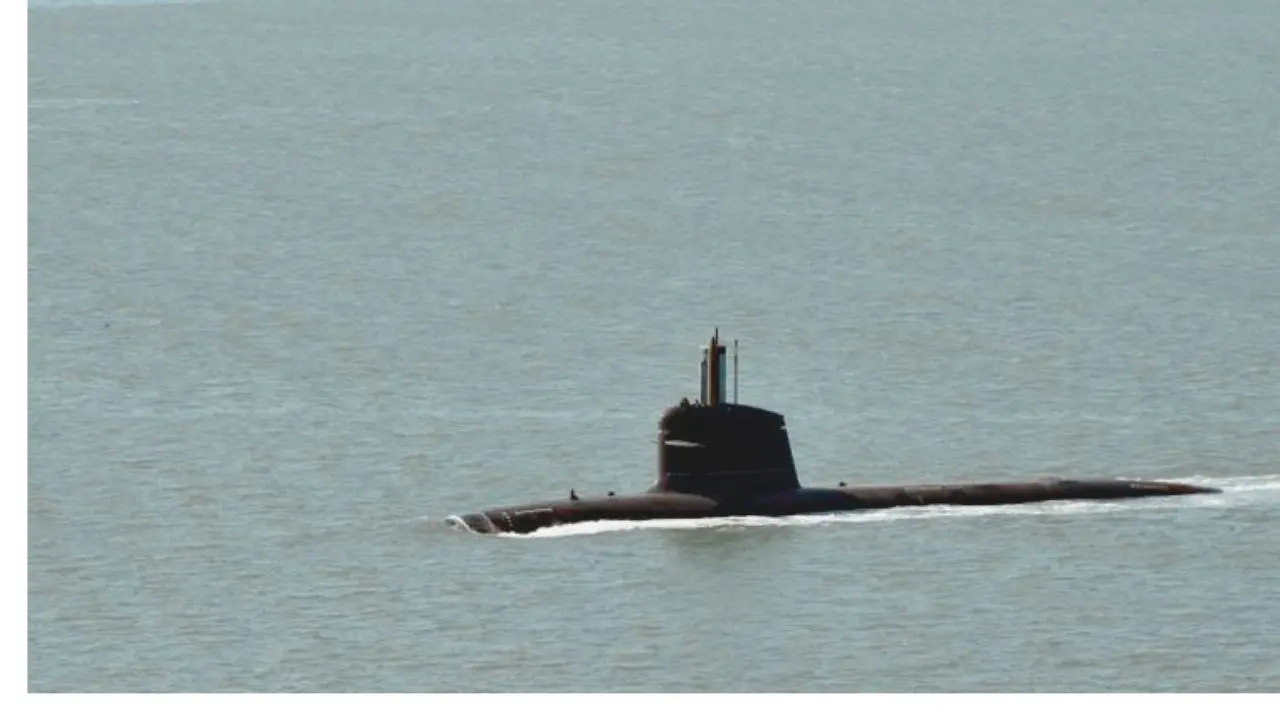
India's second nuclear ballistic missile submarine (SSBN), the INS Arighat, is set to join the Indian Navy soon. SSBNs are nuclear-powered submarines that use a nuclear reactor to operate and carry ballistic missiles armed with nuclear warheads.
At the same time, the Centre has approved a project to build six nuclear submarines (SSNs). This decision highlights India’s dedication to strengthening its naval capabilities.
Around 96% of the components and technology will be sourced from within India and only a few essential technologies will come from allied countries. The project is estimated to cost over Rs 1 lakh crore (about $12 billion).
According to media reports, the INS Arighat has finished all its trials and is expected to be commissioned into the navy in the next month or two. This is an important milestone for India's naval capabilities.
A Closer Look At INS Arighat
The INS Arighat is the second submarine of this type, following India's first, the INS Arihant, which was commissioned in 2018. The INS Arihant and the INS Arighat are each 111 meters long and were built at the Vizag shipyard.
Weighing over 6,000 tons, the INS Arighat is expected to be slightly heavier and will, possibly, include upgrades in electronics, computers and propulsion based on the lessons learned from operating the INS Arihant for nearly five years.
Specifications of INS Arighat
The INS Arighat has impressive features, with a maximum speed of 12-15 knots (22 to 28 km/h) on the surface and up to 24 knots (44 km/h) when submerged.
The INS Arighat will carry 12 K-15 nuclear-tipped ballistic missiles that can hit targets over 750 kilometres away.
It can also hold four larger K-4 submarine-launched ballistic missiles (SLBMs) with a range of up to 3,500 kilometres.
The K-4 missiles can reach important targets, including Beijing, if launched from the northern part of the Bay of Bengal.
This capability highlights the successful development of the INS Arihant and the INS Arighat as part of the advanced technology vessel (ATV) programme, which was started in 1974 by then Prime Minister Indira Gandhi.
Third Submarine Expected Soon
The third submarine in this series, the INS Aridhaman, is expected to be commissioned by next year. Additionally, a fourth, larger and more advanced submarine is being developed, expected to weigh around 13,500 tons.
These next-generation SSBNs will be able to carry 12-16 K-4 or K-5 missiles, greatly improving India’s nuclear deterrence and strategic capabilities in the region.
Rival China's Jin-Class SSBNs
China has six active Jin-class ballistic missile submarines (SSBNs). These submarines are 135 metres long and 12.5 metres wide and can swim at speeds of over 20 knots while under water.
Submarine Categories
Submarines can be either diesel-electric, or nuclear-powered. Both types have the capability to carry nuclear warheads.
* Diesel-Electric Submarines: Diesel-electric submarines use electric motors powered by diesel engines for movement. These engines need air and fuel, so the submarines must come to the surface more often, making them easier to detect. When operating on electric power, they are much quieter than when the diesel engines are running. Most submarines today are conventionally powered (diesel-electric), which makes them smaller and less expensive to maintain.
* Nuclear-Powered Submarines: Nuclear-powered submarines use steam from an onboard nuclear reactor to operate their turbines. This long-lasting power source allows them to stay submerged for years, with their only limitations being food and water supplies for their crew, which helps reduce the chances of being detected. These submarines are, generally, larger, but need more costly infrastructure and maintenance.