Air India’s B787 Dreamliner makeover signals a new era for Indian flyers
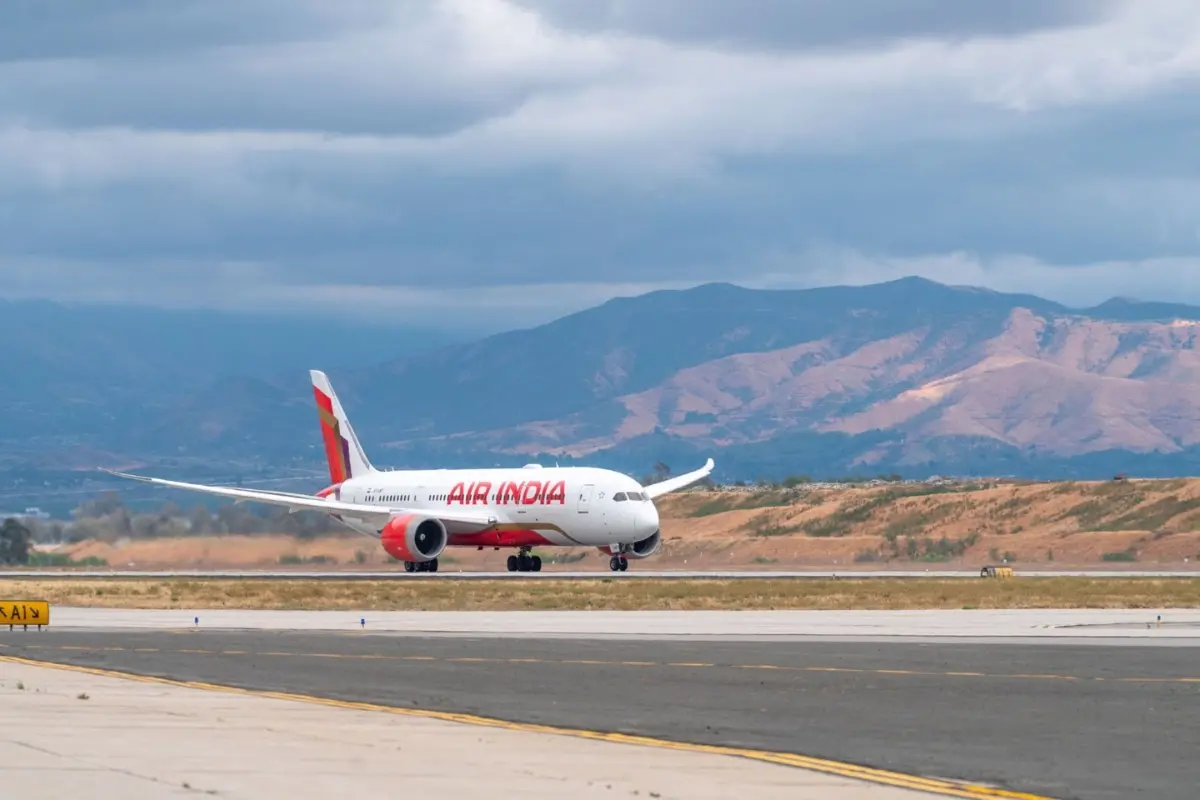
India’s aviation landscape is undergoing a visible transformation, and Air India is placing passengers right at the centre of it. The airline has unveiled its first retrofitted Boeing 787-8 Dreamliner (VT-ANT), marking the beginning of a comprehensive upgrade of its legacy widebody fleet. For Indian travellers who are long accustomed to inconsistent onboard experiences, this development signals a meaningful shift toward global standards.
A complete cabin reset, not just a refresh
This is not a routine upgrade. The aircraft has undergone a full ‘nose-to-tail’ cabin overhaul at Boeing’s Modification Centre in Victorville, California, followed by a fresh coat of Air India’s new livery at AeroPro’s FAA-certified paint facility in San Bernardino.
What stands out is the scale and depth of the work. The retrofit took 45 days and over 12,800 manhours, involving a complete stripping of old interiors and rebuilding from scratch. From new seating and carpets to upgraded galleys and lavatories, the aircraft has essentially been reimagined for a modern passenger experience.
Even the detailing reflects this effort; hundreds of metres of fabric, leather, and carpeting were used, along with extensive repainting of the aircraft exterior by a 20-member specialist team working over 5,700 hours.
From two-class to three-class comfort
For Indian passengers, one of the most noticeable changes is the shift from a two-class to a three-class configuration. This aligns the aircraft with Air India’s newer fleet standards, including its recently inducted Boeing 787-9.
The redesigned cabin now features:
- Business Class: 20 private suites in a 1-2-1 layout, each with sliding doors, fully flat beds, and direct aisle access, bringing Air India closer to the premium offerings of leading global carriers.
- Premium Economy: 25 seats in a 2-3-2 configuration, offering more space, recline, and comfort for travellers willing to pay slightly more than economy fares.
- Economy Class: 205 ergonomically designed seats in a 3-3-3 layout, with improved entertainment and charging options.
This three-tier structure is particularly relevant in the Indian market, where demand for premium economy has been steadily growing as passengers seek better comfort without the high cost of business class.
Technology and comfort take centre stage
Air India has introduced modern seating and entertainment systems across all cabins. The aircraft is equipped with the AVANT Up in-flight entertainment system from Thales Group, featuring 4K QLED HDR touchscreens in every class.
The use of globally recognised seat manufacturers like RECARO Aircraft Seating also reflects a conscious effort to match international benchmarks. Business class suites, in particular, now offer features such as privacy doors, vanity mirrors, multiple charging ports, and ambient lighting inspired by traditional Indian design elements.
For passengers, these upgrades translate into tangible improvements like better sleep on long-haul flights, more personal space, and a significantly enhanced entertainment experience.
This retrofit is part of a broader $400 million programme aimed at modernising Air India’s legacy fleet. Over the next year, 25 more Boeing 787 aircraft will undergo similar upgrades, with two already in the process. The airline also plans to refurbish its Boeing 777-300ER fleet.
Once completed by 2027, the programme is expected to elevate the experience on over 300 weekly flights connecting India with key destinations in the United Kingdom, Europe, and Australia.
From a passenger perspective, this is particularly significant. Indian carriers have often faced criticism for outdated cabins on long-haul routes. By addressing this gap, Air India is positioning itself as a more competitive option not just domestically, but globally.
According to CEO Campbell Wilson, the retrofit represents more than just a cabin upgrade; it is a visible marker of the airline’s ongoing transformation. And for travellers, that transformation is becoming increasingly tangible.
For years, Indian passengers have had to choose between national pride and onboard comfort. With this retrofit programme, Air India appears to be working toward eliminating that trade-off.
If executed consistently across the fleet, this initiative could redefine expectations for long-haul travel from India, making comfort, privacy, and modern amenities the norm rather than the exception.