Langtang Valley before tragedy: Revisiting Nepal’s ‘valley of glaciers’ through a 2019 trek
The massive glacial collapse that caused catastrophic flash floods in the Himalayan border region of Nepal and Tibet has killed at least 165 people, while the death toll is expected to rise as rescue teams continue searching for survivors and the missing.
The tragedy has cast a shadow over Langtang Valley, a region long celebrated for its spectacular landscapes, remote trekking routes and rich Tibetan-influenced culture.
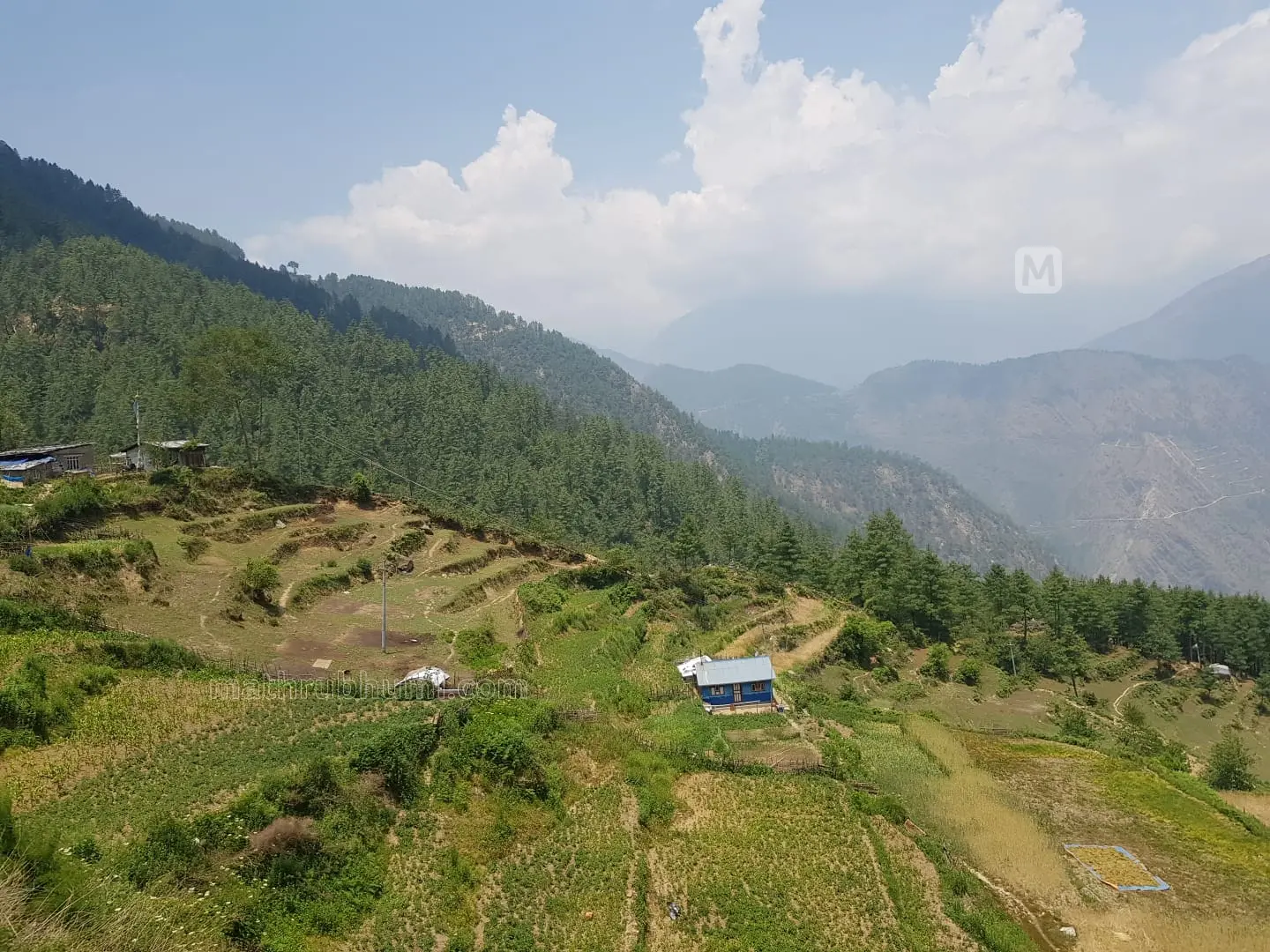
Against the backdrop of the disaster, we revisit Anupam Luthra’s 2019 trekking experience, published in Mathrubhumi English, offering a glimpse of Langtang Valley as it was then a place of tranquillity, breathtaking mountain landscapes and communities preserving traditions passed down through generations.
"It is quite common for mountain lovers or trekking fanatics visiting Nepal to prefer going to the Everest or Annapurna region. These trails are heavily explored and highly crowded during peak seasons. On the contrary, Langtang region is naive to the globe trotters and helps to explore the hidden treasures of Langtang region in serenity, offers more off–the–beaten path experiences.
Visiting the Langtang Valley, also known as the ‘Valley of Glaciers’, is the third most sought-after trekking region in Nepal, lying 19 miles north of Kathmandu near the Tibetan border. Dominated by Mt Langtang Lirung (7,246m) it offers many beautiful landscapes, meadows, pine and bamboo forests, swift, rugged rocks and snow-capped peaks to the infamous Kynjin Gompa.
Throughout the trails towards the Langtang Valley, it is inhabited by Tibetans, Tamangs, and Sherpas. One can witness several Buddhist monasteries, brightly painted Chhortens, fluttering prayer flags and Tibetan-style houses, drawing a feeling of tranquillity and peace of mind while trotting on the uneven paths.
A typical and ethnic village of this region offers a diverse cultural flavour with various rituals and traditions based on Buddhism. Their cultural practices are age-old and still intact despite the influences of the modern phenomenon of globalisation. One can view the spectacular mountain view of Dorji Lakpa (6996 m), Mt Gaurishankar (7134 m), Mt Ganesh Himal (7422m), Langhisha Ri (6427 m), Gangchhenpo (6388 m), Yala Peak ( 5520m) and Naya Kanga ( 5844m), which have been a treat to the eyes of a nature-hungry trekker.
The Langtang Valley trek begins alongside the freshwater winding river Trishuli as we make our way to the trailhead at Safru Bensi (1600 m). Heading out through the bends of Tribhuvan Highway, my journey soon settles down alongside stunning hilly landscapes. The trail then ascends to Lama Hotel through lush green forest blessed with a wide array of flora and fauna and continues to ascend gradually to Langtang village. As we continue climbing, we could capture occasional glimpses of Langtung Lirung between the trees.
The trail then leads to a gentle climb with a widening valley which passes through a few temporary settlements used by herders grazing cattle, horses and yaks on the rich alpine pasture. Heading out of Langtang village, the trail climbs gradually through small villages and yak pastures as the valley opens out further and becomes more extensive. After crossing several small streams and moraines, the trail reaches the settlement at Kyangjin, home to the oldest monastery Kyanjin Gompa, of the region.
The mesmerising Himalayan panorama guides us from the outside; spiritual tranquillity awaits us within the monastery. One can spend a day there and choose to explore side hikes and climb to Tserko Ri, which is at an elevation of 4984 m, the highest point of the entire trip or ascend Kyangjin Ri (4350m) and get truly enthralled in the vista of spectacular ice faces and tumbling glaciers of Langtang Lirung.
Moving forward, we descend all the way back to Lama Hotel, retracing our route following the Langtang Khola and Langtang village. The trail then further descends to Pairo, gradually ascending to Thulo Sabru Village. The main inhabitants belong to the Tamang community and have adopted a Tibetan lifestyle. The trek then heads back all the way down to Thulo Bharkhu before ending the Langtang trek at Dhunche, where we boarded a private bus to reach the capital city, Kathmandu.
As I mentioned earlier, the trails that lead to Langtang Valley are mostly off-the-beaten paths. It is a privilege for trekkers to enjoy much better lodges or tea houses to stay overnight, with tremendous hospitality from the hosts. While the trail leading to the Langtang Valley trek can be strenuous at times, the views from the top will surely leave you spellbound. The Himalayas adorn the skyline with their snowy peaks piercing the skyline covered with the rays of the morning sun. This trek to the most popular valley of glacier is a lifetime experience, which offers the beauty of nature, a pinch of Tibetan culture and a glimpse of local lifestyle in a perfect blend that will hold a dear place in your memory for a very long time."