Why doubling down on Rafale is a high-stakes bet for India
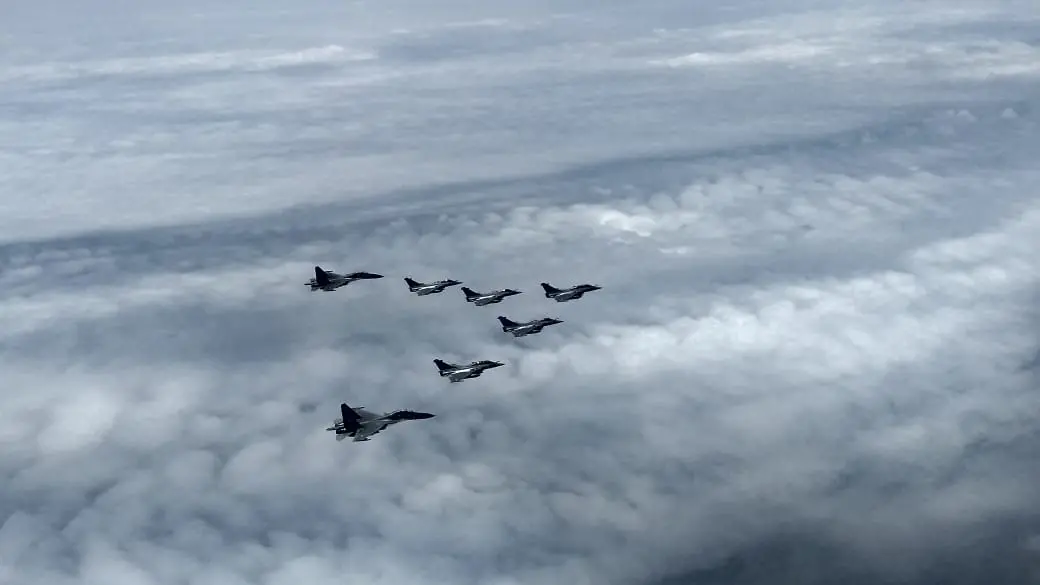
India is placing a daring bet on its future in the skies, eyeing 40 additional Rafale fighter jets to bolster the Indian Air Force (IAF). This ambitious move, alongside the Navy's planned acquisition of 26 Rafale-M jets, builds on the IAF's existing fleet of 36 Rafale C jets, signaling a robust push to dominate regional airspaces.
Far more than a military upgrade, this gamble is a strategic play to cement India's defense prowess, streamline operations, and fuel the Make in India vision. With global tensions rising and domestic needs pressing, can India's wager on Rafale jets deliver both security and self-reliance?
The Rafale C, a single-seat, multirole fighter, is already a cornerstone of India’s air power. Since 2020, 36 of these jets have fortified the IAF, excelling in high-altitude operations like Ladakh with cutting-edge features like Meteor air-to-air missiles and AESA radar.
The proposed addition of 40 more Rafale C jets, likely through a fast-tracked government-to-government deal, would swell the IAF's tally to 76 -- enough for four squadrons to counter threats from neighbouring adversaries.
Meanwhile, the Indian Navy is set to acquire 26 Rafale-M jets, a carrier-capable variant designed for operations on INS Vikrant, with deliveries expected to begin around 2028 to replace aging MiG-29Ks.
India has no plans to procure the two-seat Rafale B, used elsewhere for training, prioritizing instead the combat-focused C and M variants. This standardization across the IAF and Navy promises seamless logistics and shared training, amplifying operational efficiency.
This Rafale expansion is a lifeline for India's overstretched air forces. The IAF currently operates just 31 squadrons against a sanctioned strength of 42.5, with aging MiG-21s and Jaguars nearing retirement. The additional 40 Rafale C jets will bridge this gap, providing combat-proven firepower -- tested in conflicts like Syria and Libya -- to deter aggression in contested regions.
For the Navy, the Rafale-M jets ensure carrier-based strength, critical for projecting power in the Indian Ocean. The near 95% commonality between the Rafale C and M variants means shared maintenance and reduced costs, a pragmatic choice in a resource-constrained environment.
With a potential contract signing during the French Defence Minister's visit on April 28, 2025, India is moving swiftly to lock in this deal, betting on Rafale's reliability to reshape its defense posture.
The Make in India initiative lies at the heart of this gamble, aiming to transform defense procurement into a catalyst for economic and strategic growth.
By expanding its Rafale fleet, India is not just buying jets but securing offset clauses that require Dassault Aviation, the Rafale's French manufacturer, to invest in India's economy.
These investments could include maintenance hubs, training facilities, and supply chains, creating jobs and reducing reliance on foreign imports. Such moves align with India's push for self-reliance, especially as global supply chains face disruptions.
The Rafale deal could also pave the way for integrating indigenous systems, like the Astra missile, into the jets, boosting local innovation and signaling India's growing clout in defense technology.
Yet, this high-stakes bet is not without risks. Bypassing competitive bidding under the Multi-Role Fighter Aircraft framework has sparked debate, with critics questioning transparency and value for money, while supporters argue that speed and continuity with the Rafale platform are paramount.
Past controversies over pricing and contract terms with Dassault linger, and negotiations must ensure the deal delivers on both capability and economic benefits. The timeline—potentially stretching to 2031 for full Navy inductions—demands patience, while regional threats require immediate readiness. India’s ability to balance these pressures will determine whether this wager pays off.
Looking ahead, India could take this gamble further by involving Hindustan Aeronautics Limited (HAL) in future Rafale production. While not currently central to the deal, HAL's expertise in aerospace offers a tantalizing opportunity.
If negotiations with Dassault progress, the HAL could assemble Rafale jets or manufacture components in India, building on lessons from past talks that faltered in 2015 over technology transfer. Such a move would turbocharge Make in India, creating thousands of jobs in cities like Bengaluru, transferring advanced technologies, and strengthening India's capacity to build next-generation fighters like the Tejas or AMCA.
The HAL's involvement could turn India from a buyer into a builder, redefining its place in the global defense industry.
India's Rafale gamble is a bold bid for air superiority and strategic autonomy. By expanding to 76 Rafale C and 26 Rafale-M jets, India is fortifying its defenses while laying the groundwork for economic growth through Make in India.
The potential for the HAL to join the fray in the future adds a visionary twist, promising to elevate India's aerospace ambitions. As the skies grow more contested and the need for self-reliance intensifies, this deal could be India's trump card -- a chance to soar above challenges and build a stronger, prouder nation.
The question is whether India can play this hand with the precision and foresight needed to win big.