On World Kidney Day, lets follow simple lifestyle habits to ensure healthy kidneys
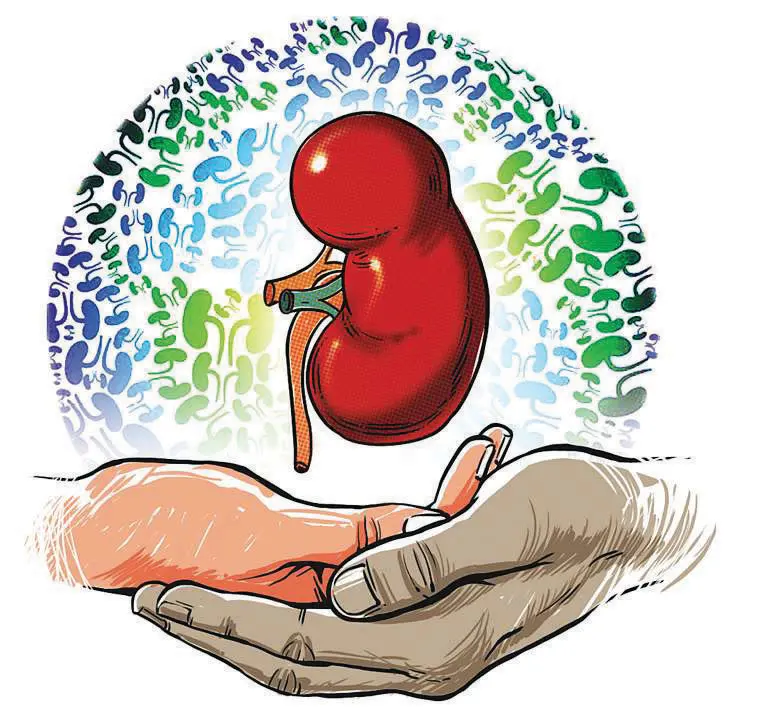
Our kidneys are entrusted with the unenviable task of removing and excreting the majority of waste products from our body. They also play a number of other equally important but lesser known roles. They are primarily responsible for maintaining balance of water and electrolytes (like sodium, potassium) in the body. Kidneys also secrete various hormones which have major effects on organs far away from it. Examples include activated forms of Vitamin D , which promotes bone health and Erythropoietin, which increases the Haemoglobin levels. Most of these kidney functions go under the radar so much so that their role only becomes apparent when kidney failure sets in.
Even though the causes of kidney failure and dysfunction are as diverse as the functions they perform, there are a few general measures which can be uniformly applied and may improve kidney health.
- Stay hydrated: Drinking adequate amounts of water is essential for kidney health and has multiple benefits. Drinking lots of water helps the kidneys flush out toxins and keeps them working optimally. This probably has the greatest benefit in those who develop recurrent stones. Adequate hydration is probably the single most important lifestyle measure to prevent recurrent stones. This assumes special significance when you factor in the observation that stone disease is responsible for around 10-15 % of cases of advanced kidney failure. We should aim to drink around 8- 10 glasses of water per day, more so if we are physically active or live in a hot climate.
- Reduce salt intake: The role of excess salt in various diseases including kidney diseases has been extensively studied. It has been dubbed as a nephrotoxin by many. Excess salt intake promotes high BP and kidney injury by various mechanisms. It is prudent and advisable to reduce daily salt intake to less than 5 g/day (less than 1 teaspoon of salt per day). This is of course easier said than done, because our cuisines are heavily dependent on salt and any tampering would make them unpalatable.
- Eat balanced diet- Consuming a healthy balanced diet is essential to maintaining kidney health. We should focus on including plenty of fruits, vegetables, whole grains and lean proteins in our diet. We should limit our intake of processed food, sugar and saturated fats.
- Maintain a healthy weight- We know that being overweight or obese is a risk factor for various cardiovascular diseases like coronary artery diseases and heart failure. Once these cardiovascular diseases set in, they may cause defective circulation to various organs including the kidney and set the stage for kidney failure. What is not so well known however is the fact that extreme obesity by itself can cause tremendous stress on the kidneys resulting in slowly worsening protein leakage in the urine. This again, if not corrected in time, sets the stage for a decline in kidney function.
- Exercise regularly- Regular exercise not only helps maintain a healthy weight but also improves blood pressure and diabetic control in those who may need it. We should aim for at least 30 minutes of moderate intensity exercises at least 5 times a week.
- Monitor blood pressure and blood sugar levels- Diabetes, Hypertension and stone diseases are probably among the most common causes of advanced kidney failure. Yearly monitoring of blood pressure and blood sugar levels may help to detect these diseases early. Detection of hypertension assumes special significance here especially in the young individuals, where hypertension may be due to a secondary cause (so called secondary hypertension). Most common causes of secondary hypertension are kidney related and these warrant detailed evaluation by a nephrologist and other therapies in addition to standard antihypertensive therapies. Those who already have diabetes need to be followed up yearly for the development of very small amounts of protein leakage in the urine ( called microalbuminuria) which sets the stage for further worsening but if detected early and treated well can be reversed/improved.
- Avoid Alcohol and quit smoking- Alcohol and tobacco have uniformly bad effects on all organ systems including the kidneys. They also interfere with the metabolism and working of various medications (including ones used for hypertension and diabetes) and render them ineffective/less effective. So, they should be completely avoided.
- Avoid use of painkillers- Painkillers (especially the ones called NSAIDs) are some of the most widely prescribed drugs worldwide. Many of these are harmful to the kidneys. The rates of kidney disease caused by these drugs tend to be much higher in countries where they are freely available over the counter (OTC), including India. We also have an array of native and other alternative medications (many of them with dubious ingredients and not standardised) which are responsible for many cases of kidney dysfunction. These are often advertised as quick fix solutions to various ailments and should be dealt with caution.
Taking care of our kidneys is essential for our overall health and well-being. These simple, yet effective steps may go a long way in achieving these goals.
(The author is a Consultant in Department of Nephrology at KIMSHEALTH, Thiruvananthapuram)