Sip of truth: The sacred bond of drinking and liver health
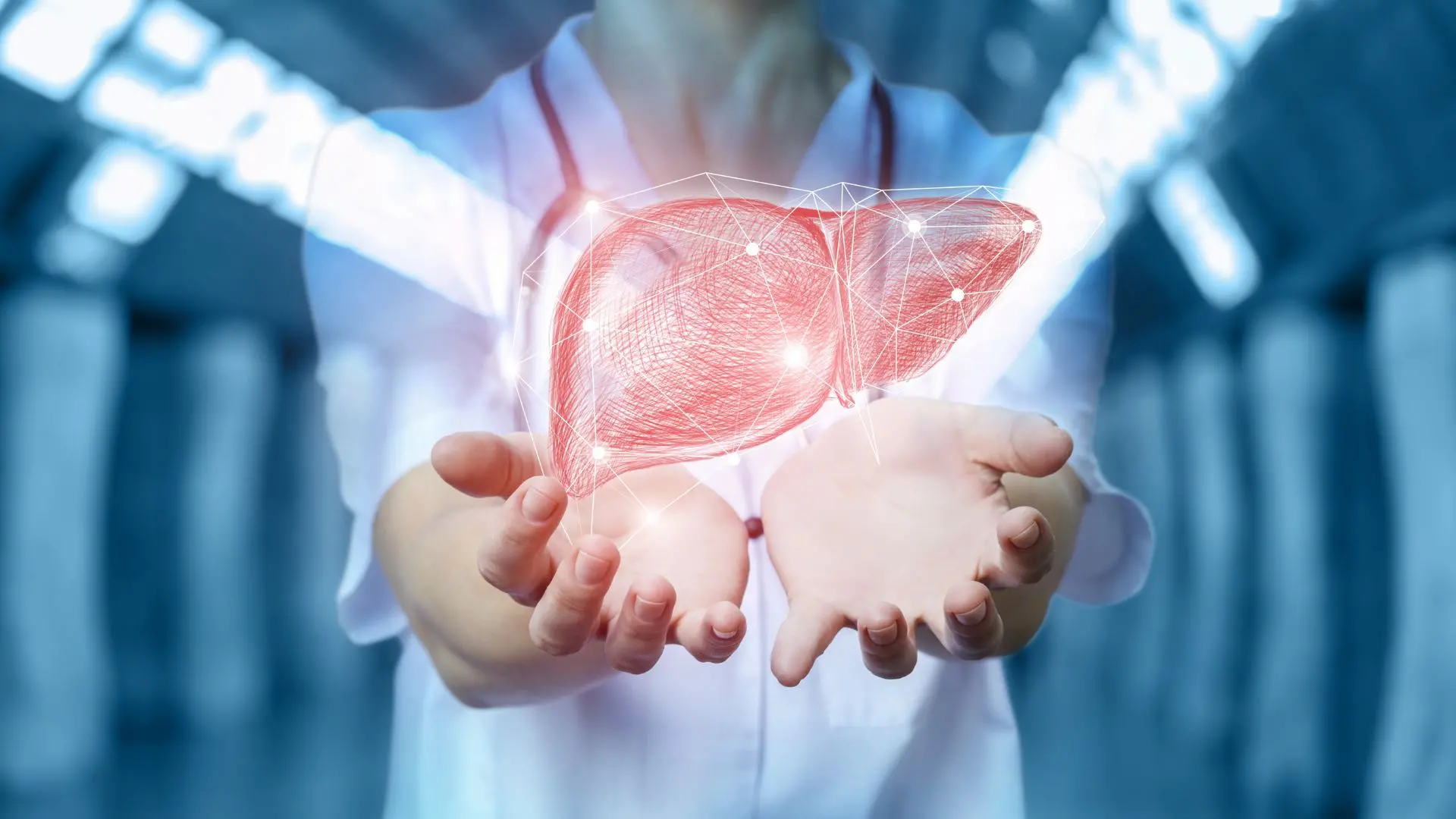
It’s not uncommon to see Keralites lined up outside alcohol shops. The bond between Keralites and alcohol is deeply rooted in cultural traditions and social gatherings. However, we are all aware that alcohol is harmful to health, particularly liver health. Let’s debunk some common myths and explore the real impact of alcohol on our livers.
A healthy liver: The chocolate of your body
Picture the liver as a piece of rich, reddish-brown chocolate. This represents a healthy liver. When fat begins to accumulate in the liver, its colour shifts to yellow, signalling the start of liver health issues.
Liver inflammation
Exposure to harmful substances such as excessive alcohol, certain medications, or viruses (eg, hepatitis B and C) can inflame the liver, leading to hepatitis.
Fibrosis
Ongoing liver damage results in fibrosis, the initial stage of liver scarring. At this point, scar tissue begins to form, replacing healthy liver cells. While the liver can still function, the scar tissue gradually impairs its ability to perform its essential functions.
Cirrhosis
As damage persists, scar tissue accumulates, disrupting the liver’s structure. This advanced stage of scarring is known as cirrhosis. The liver's functionality deteriorates significantly, and without intervention, it can lead to liver failure.
Liver failure
Liver failure occurs when the liver is unable to perform its crucial functions. It can be acute (sudden) or chronic (gradual). Chronic liver failure is often the result of long-term damage and can be life-threatening without appropriate medical intervention, which may include medications, lifestyle changes, or even a liver transplant.
Know your truth: Liver health and alcohol
Myth: Drinking in moderation is safe
This is a common misconception. Every drop of alcohol can harm your organs in some way. While liver tissues have some capacity for self-repair, brain tissues do not regenerate. Thus, brain damage from alcohol is irreversible.
Myth: Beer is not problematic
The low alcohol content in beer leads many to believe it is harmless. However, a 6% alcohol content in beer is equivalent to consuming two large servings of hard liquor. The quantity of alcohol consumed is what matters, not the type of beverage.
Myth: Alcohol warms you up in cold weather
This is incorrect. Alcohol makes you feel warmer by causing blood vessels beneath the skin to expand, bringing more warm blood to the surface. However, this does not actually increase your body temperature. Excessive drinking can numb your senses, creating a false sense of warmth.
Myth: Liver-protecting capsules
Capsules claiming to protect your liver from alcohol damage are often ineffective. The best way to protect your liver is to reduce or eliminate alcohol consumption. Many products on the market claim to remedy alcohol-induced liver damage, but while the Drug Control General of India (DCGI) requires extensive clinical research for medicines, food supplements only need minimal research and quick approval from the Food Safety and Standards Authority of India (FSSAI). Many pseudo alcohol detox products marketed as food supplements mislead consumers, and some herbal remedies can actually cause more liver damage than alcohol itself.
Alcohol’s far-reaching impact
Alcohol can contribute to a range of health issues, including:
Liver diseases: Fatty liver, alcoholic hepatitis, and cirrhosis.
Cardiovascular diseases: High blood pressure, arrhythmia, and cardiomyopathy.
Cancer: Increased risk of breast, liver, mouth, and throat cancers.
Mental health disorders: Depression and anxiety.
Understanding the real impact of alcohol on liver health is crucial, especially in a culture where drinking is celebrated. To assess liver health, screening with Fibroscan is recommended. This non-invasive test measures liver stiffness and helps detect early signs of liver disease, allowing for timely intervention and treatment. By debunking common myths and educating ourselves about the dangers of alcohol, we can make informed decisions to protect our health and well-being.
The author is Dr Harikumar R. Nair, Senior Consultant Hepatologist at Ernakulam Medical Center