Amoeba you learn in biology not real villains, know the brain eating Naegleria fowleri
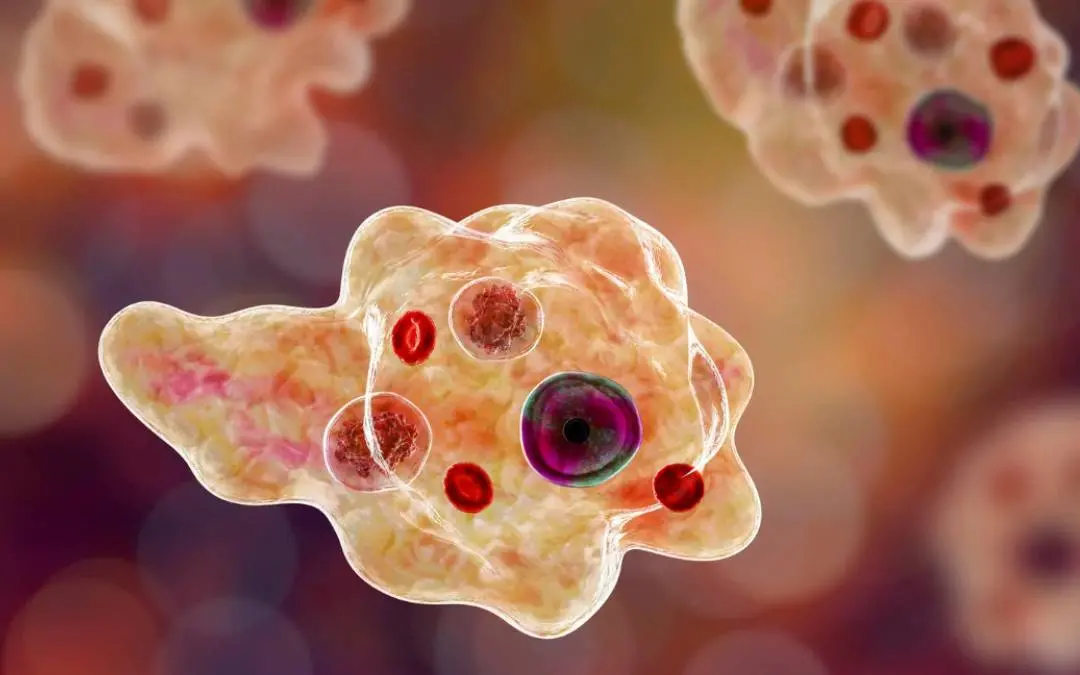
Amoebae are shape-shifting, single-celled organisms invisible to the human eye, but can be seen through a microscope. Typically found in ponds, lakes, and rivers, these tiny creatures move using pseudopodia and reproduce asexually through binary fission. although their life span is for about two days, interestingly, one could argue that amoebae never truly die since the new cells formed are identical to the parent cell.
Amoebae, not classified as plants, animals, or fungi, belong to the kingdom Protista. Because they possess a true nucleus, they are categorized as eukaryotes.
However, not all amoebas are dangerous. The amoeba you learn about in biology textbooks are not the one that cause deadly diseases. In this article, we delve into how certain amoebas can cause severe diseases in humans.
Amoeba proteus and Naegleria fowleri
Amoeba proteus, often admired for its simple structure, is harmless. In contrast, Naegleria fowleri, known as the brain-eating amoeba, is a deadly threat. This amoeboid organism destroys brain cells by entering the human body and feeding on neurons. This leads to an alarming fatality rate of 95% to 100% once infection occurs.
Naegleria fowleri thrives in warm freshwater environments, such as ponds, lakes, or improperly chlorinated swimming pools, at temperatures between 25°C and 50°C. It cannot survive in salty water or cooler temperatures.
The path of destruction
The amoeba enters the human body through the nasal cavity, traveling to the brain via the olfactory nerves (the route that carries smell to the brain). This is particularly dangerous for children, as their nasal lining is thinner, it is easier for the amoeba to enter their body.
Initial symptoms include fever, chills, and fatigue. As the infection progresses, more severe symptoms like loss of consciousness, seizures, and coma emerge. The presence of Naegleria fowleri is typically confirmed through a PCR (polymerase chain reaction) test.
One might wonder why this warm-water amoeba is appearing more frequently during the rainy season. Environmental experts suggest that ecological imbalances may allow such microorganisms to multiply more rapidly.
Naegleria fowleri can proliferate in portable plastic pools and artificial water bodies that are not properly chlorinated. health experts highlight the importance of avoiding bathing in such water.
Prevention and caution
- Avoid swimming in non-chlorinated stagnant water
- Use nose clips while swimming in pools.
- Naegleria fowleri is often found at the bottom of water bodies and can enter the nose when the water is disturbed or during deep diving.
Other amoebic threats
While Naegleria fowleri is the most notorious, other amoebas like Entamoeba can also cause health issues. Entamoeba reaches the stomach through contaminated drinking water, causing pus in the intestines.
Symptoms include abdominal pain, diarrhea, and blood in the stool. However, these are not as life-threatening as infections caused by Naegleria fowleri. They do not affect the brain.
Primary amoebic meningoencephalitis (PAM) is a rare disease, affecting one in ten thousand individuals. The lack of significant studies on PAM is partly due to its rarity. Experts believe that immune function variations play a role in disease susceptibility. It was first diagnosed in Australia in 1965. PAM has since been reported worldwide, including in India.
Amoebic encephalitis treatment is guided by the CDC (Centers for Disease Control and Prevention) in the US. Treatments include medications like miltefosine, manufactured in Germany, Amphotericin B, and Erythromycin, which are available in Kerala.