Can stress cause PCOS?
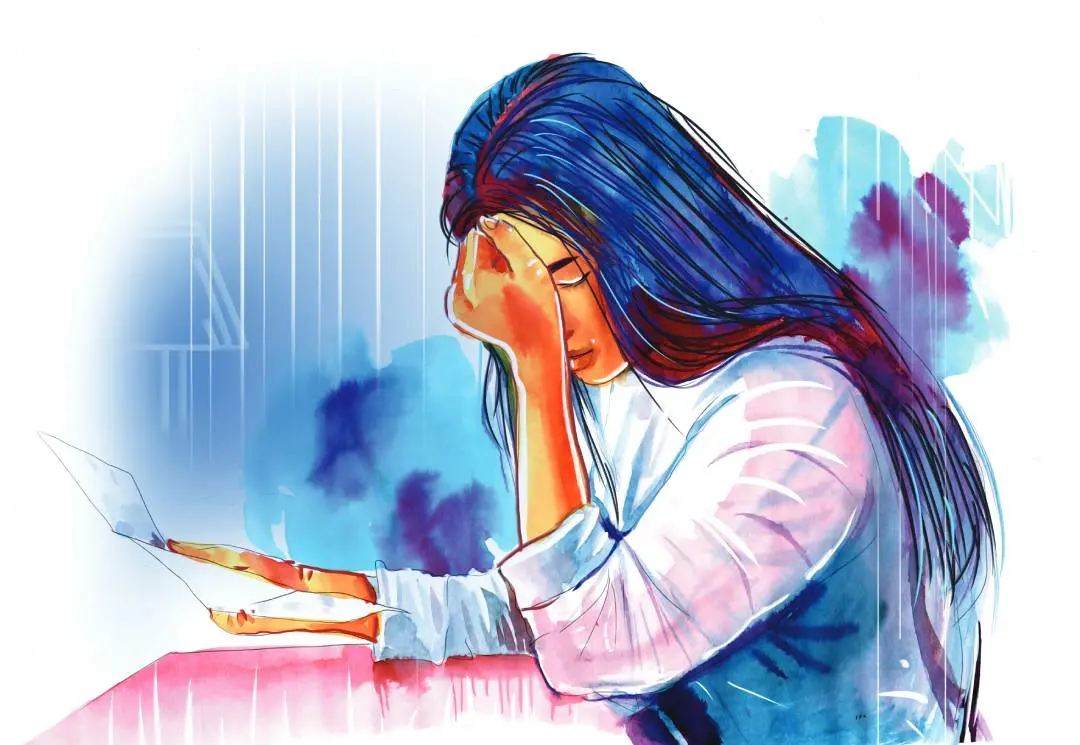
Life style diseases are becoming pandemic in the post covid era and these noncommunicable diseases are the major burden for all the healthcare systems. Diabetes, hypertension, coronary artery disease, obesity etc are a few to mention. One of the most common lifestyle disorders affecting 10-15 % women in the reproductive age group is Polycystic Ovarian Syndrome previously known as PCOD; affecting women of every race, ethnicity and any women in the reproductive age group. More than 70 percent of cases remain undiagnosed. The prevalence rate of PCOS in India is close to 14 percent; ranging from 3.7 to 22.5 depending upon different population studies. The cause of PCOS is not well understood but thought to involve a combination of genetic and environmental factors which can produce hormonal imbalance and insulin resistance.
What are the common presentations of PCOS?
- Menstrual abnormalities
- Excess hair growth
- Weight gain
- Darkening of skin
- Acne not associated with puberty
- Infertility
- Mood swings
What are the consequences of having PCOS?
PCOS has numerous metabolic consequences like type 2 diabetes, obesity, and coronary artery disease. About 48 percent of women with PCOS are obese with abdominal fat distribution whereas 25% are lean PCOS.
How is stress related to any endocrine disorder?
Stress is a state of disharmony which affects an individual’s physical, mental and social well being. Though it is natural to be stressed; sometimes the way we respond to it makes a big difference to our overall well being. In any form of stress, the hypothalamus signals the pituitary to produce hormones which in turn signals the adrenal glands to increase the production of cortisol which activates the stress response of the body.
Studies conducted in different parts of the world suggest the role of stress hormones in the development and progression of PCOS and stress is considered to be an invisible factor in the severity of PCOS . It encompasses metabolic, inflammatory, oxidative and emotional stress. Symptoms like headache, fatigue, sleep disturbances, mood swings, anxiety, eating disorders, infertility and miscarriages associated with PCOS points towards the possible role of stress hormones .
The role of stress hormones in the pathogenesis is under appreciated and under evaluated cause of reproductive dysfunction including PCOS. Lack of reliable biochemical markers is the main hindrance in the stress evaluation and very little is known about the association of stress mediators like cortisol in the pathogenesis of PCOS. It is suggested that elevated levels of cortisol and DHEA and prolonged stress in PCOS may cause cortisol dysfunction leading to widespread inflammation.
How to tackle stress and PCOS?
Coping strategies
PCOS and stress often create a challenging tandem for many women. Understanding the complex relationship between PCOS and stress is vital for the wellbeing, implementing coping strategies and to prepare the management plans.
Coping strategies include
- Regular exercise, healthy diet, weight reduction
- Meditation, yoga
- Adequate sleep
- Support network.
- Medications /supplements.
- Avoid drugs, alcohol, smoking
In case of persistent symptoms seeking professional help in the form of gynaecologist, mental health professional, holistic physicians is important. They can provide strategies to cope up with pcos and stress more effectively.
Dr. Sajith Mohan R
Consultant
Department of Obstetrics & Gynecology
KIMS HEALTH