Rushdie's Satanic Verses resumes sale in India after 36-year ban: Muslim groups protest
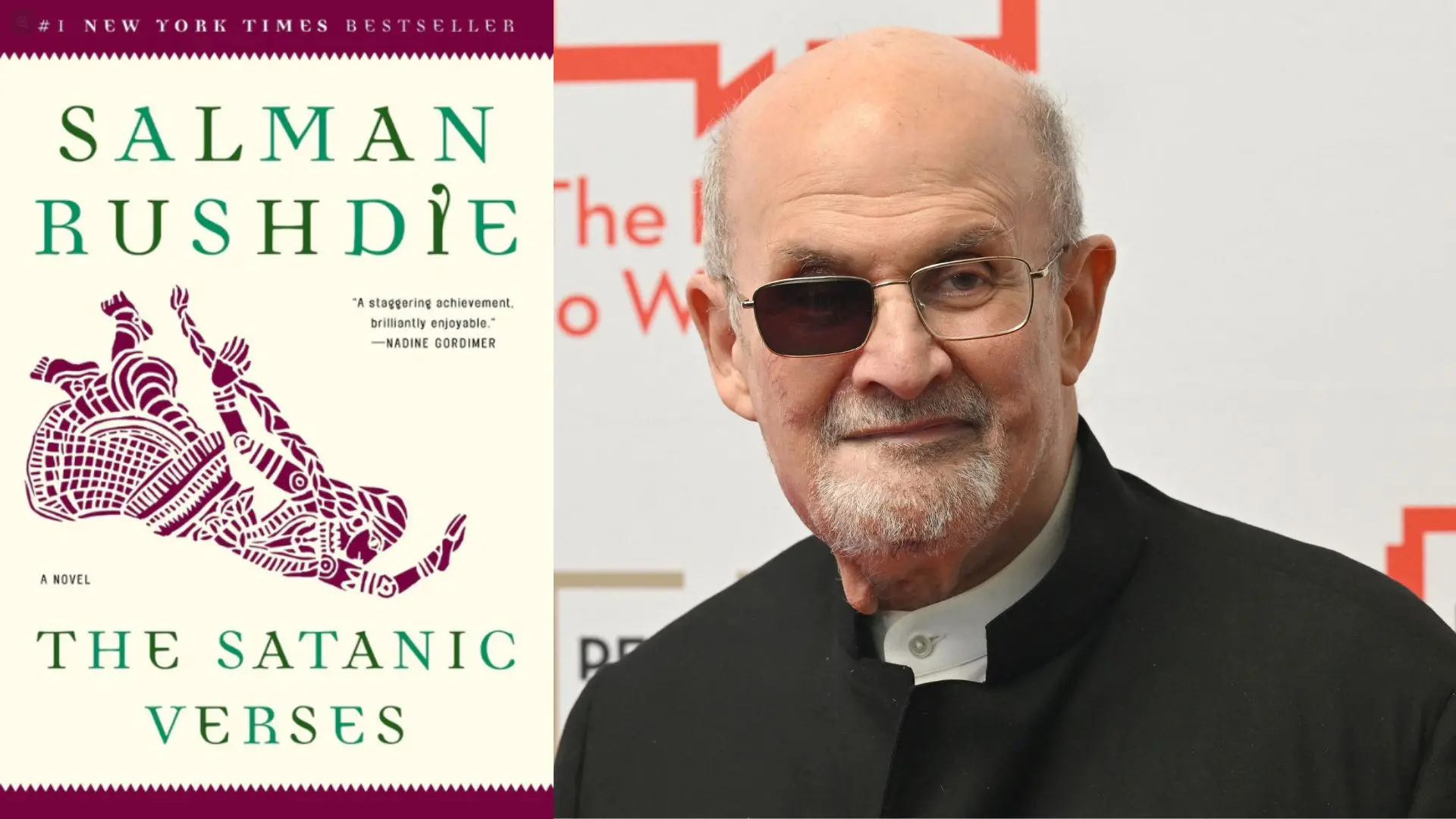
New Delhi: Salman Rushdie's famous novel, 'The Satanic Verses', has made its return to India after being banned for 36 years. The controversial work, first banned in 1988, is now available for purchase in Delhi. Bahrisons, the book's publisher, has started selling the book at its stores in the capital for Rs 1,999.
Bahrisons, the publisher selling the book, has reported a positive response from readers. The store stated that the novel, which has captivated readers with its bold themes and exceptional storytelling, continues to ignite debates on freedom of expression and the arts.
Background of the ban
The book was banned in India in 1988 following strong protests from various Islamic groups, who were outraged by its content. The protests and subsequent violence across the country led to calls for action from the then-Prime Minister, Rajiv Gandhi, who ultimately agreed to the ban.
'The Satanic Verses' sparked a global debate over freedom of expression, with many defending its literary value while others condemned its themes.
Delhi High Court's ruling
In a significant development last month, the Delhi High Court concluded a long-standing petition challenging the 1988 ban on 'The Satanic Verses'. The court ruled that the authorities had failed to produce the relevant notification for the ban, and, therefore, it must be presumed that the notification does not exist.
This decision has brought the controversial novel back into the spotlight, reigniting discussions on censorship and the protection of free speech in India.
Opposition from Muslim organisations
The resumption of 'The Satanic Verses' sale has been met with strong opposition from several Muslim organisations. They have called for the central government to reinstate the ban, claiming the book hurts religious sentiments.
Maulana Kaab Rashidi, the legal advisor for the Uttar Pradesh unit of Jamiat Ulema-e-Hind (AM), stated that if freedom of expression offends religious sentiments, it constitutes a legal offence and goes against the spirit of the Constitution. Other Muslim organisations, including the All India Shia Personal Law Board and the All India Muslim Jamaat, have also expressed their disapproval of the book's sale. This has once again sparked a nationwide debate on the boundaries of free speech and religious sensitivity, and whether the publication of controversial works should be allowed in a pluralistic society.