Where to begin with Arundhati Roy | A reader's guide
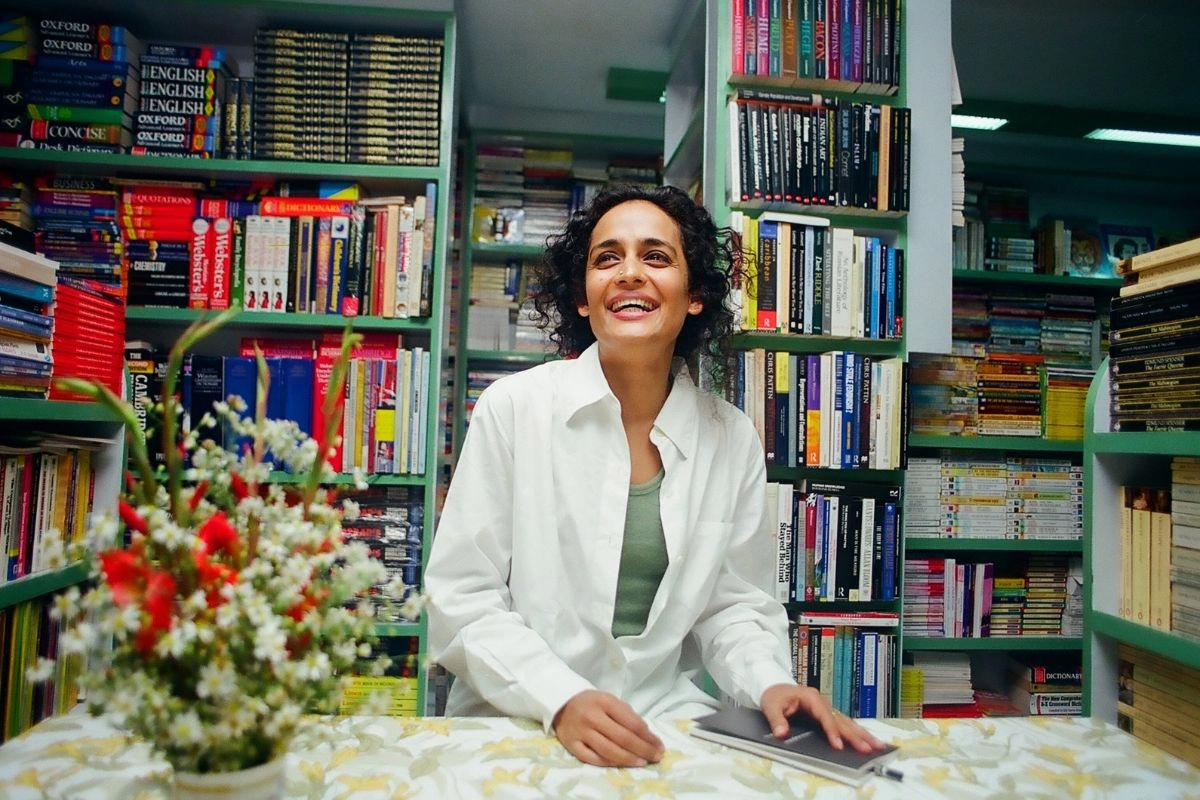
On her birthday, a map through the novels, essays and memoir of one of India's most debated writers.
Arundhati Roy turns 65 today. She was born in Shillong in 1961 and grew up in Ayemenem, Kerala. Her first novel won the Booker Prize in 1997, and she has spent the decades since writing, with equal intensity, about land, power, dissent and belonging. If you have never read her, or read her only once, long ago, here is where to start.
Start here: The God of Small Things (1997)
Set in Ayemenem, it follows the twins Rahel and Estha and a family undone by a forbidden love, caste prejudice and one terrible week in 1969. Roy plays with language the way few novelists dare. She capitalises words, coins phrases and lets time loop back on itself.
Who it's for: readers who love lyrical, layered prose and don't mind a story that circles its central tragedy before revealing it.
Tip: Give it the first fifty pages. The rhythm that feels strange at first becomes the book's pleasure.
Then, the big sprawling one: The Ministry of Utmost Happiness (2017)
Twenty years passed before her second novel. It roams from Delhi's old quarters to Kashmir's conflict zones, following Anjum, a hijra who builds a home in a graveyard, and Tilo, an architect-turned-activist. It is wider, messier and more openly political than her debut.
Who it's for: readers who enjoy big, polyphonic novels in the vein of Rushdie, and who are happy to follow many threads.
If you liked the first book: This one will feel different. Treat it as a companion, not a sequel.
For the argumentative reader: the essays
Roy's nonfiction is arguably as important as her fiction. A few doorways:
The Algebra of Infinite Justice (2001): early essays on dams, nuclear weapons and globalisation, the pieces that cemented her public voice.
Walking with the Comrades (2011): a long report from the forests of central India after she spent time with Maoist guerrillas.
Azadi (2020): essays on freedom, nationalism and fear in contemporary India.
My Seditious Heart (2019): a thick collection that gathers much of her twenty-year body of essays in one volume.
Who it's for: readers who want her ideas in their sharpest form. These are polemical and unapologetically partisan. You may agree or bristle, but you won't be bored.
For the curious: Mother Mary Comes to Me (2025)
Her memoir, published last year, turns to the most formative relationship in her life: her mother, Mary Roy, the educator and women's rights campaigner whose Supreme Court case on inheritance changed the lives of Syrian Christian women in Kerala. It is a candid, complicated portrait of love and conflict between mother and daughter, and it throws new light on the settings and tensions of her fiction.
Who it's for: anyone drawn to her life story, and readers who finished The God of Small Things wanting to know what shaped it. It also works as a stand-alone introduction.
Less-known corners
Before the novel, Roy worked in film and wrote the screenplays for In Which Annie Gives It Those Ones (1989) and Electric Moon (1992).
In 2024 Roy received the PEN Pinter Prize, an honour for writers who look "unflinchingly" at the world, as the award puts it. Whether you come to her for the music of her sentences or the force of her arguments, the best way to mark her 65th birthday is simply to open one of her books.
Next year, The God of Small Things turns thirty.