Hidden danger of Iran war: Fertiliser crisis that could send food prices soaring
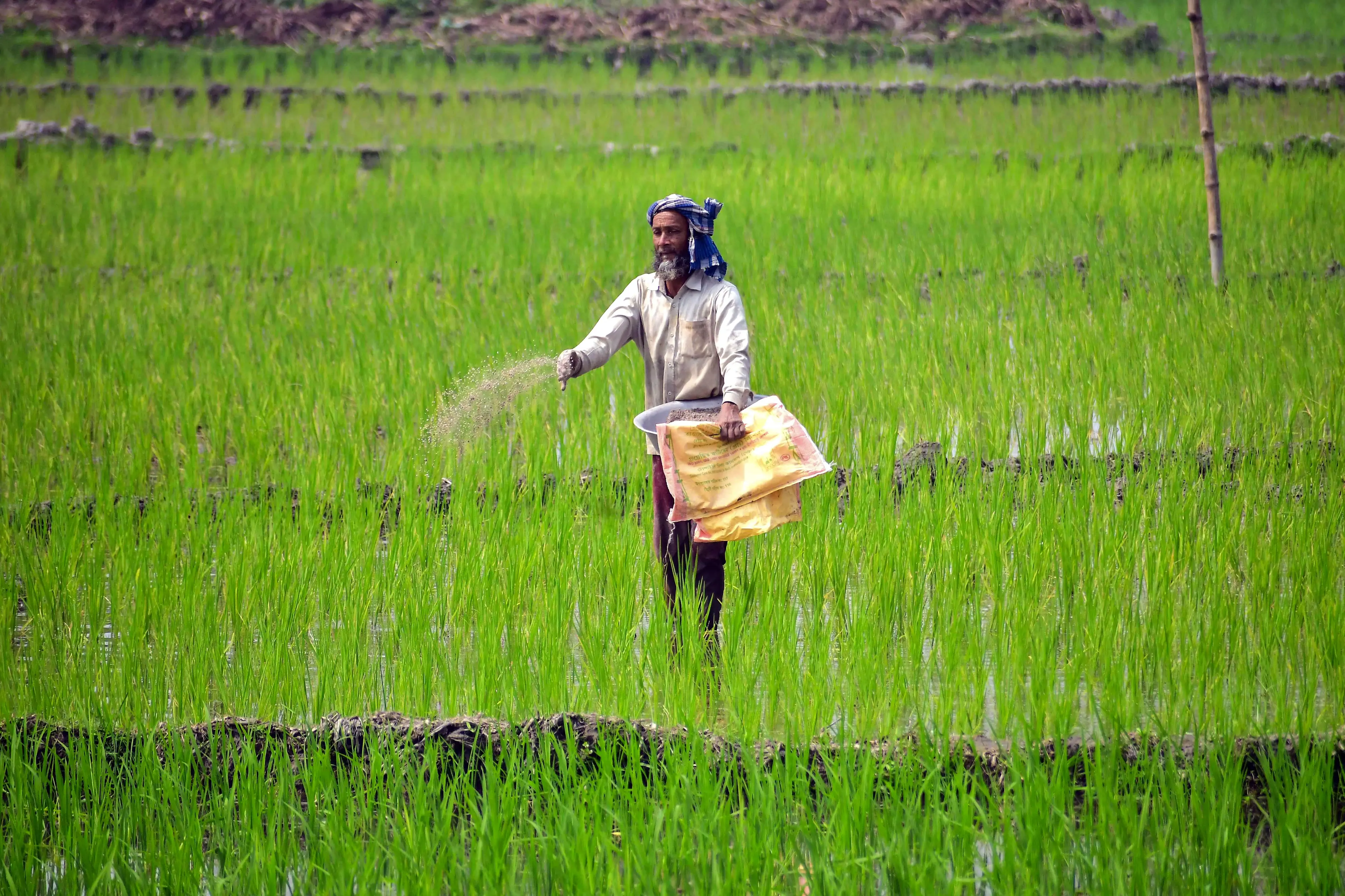
As tensions involving Iran escalate, attention has largely focused on the potential disruption of global oil and gas flows through the strategically vital Strait of Hormuz. However, beyond the immediate risk to energy markets lies another threat that often receives far less attention, a possible global fertiliser shock that could eventually drive food prices higher and disrupt farming worldwide.
The Strait of Hormuz is one of the world’s most important maritime corridors, carrying a large share of global energy shipments from the Persian Gulf. But the narrow passage is also critical for the movement of agricultural inputs, particularly nitrogen-based fertilisers such as urea and ammonia.
Also read | Global market meltdown: Rupee drops to record 92.28 and stocks dive as Iran-Israel war intensifies
Roughly one-third of the world’s traded urea passes through this route. Major producers in the Gulf region, including Qatar, Saudi Arabia and the United Arab Emirates, rely on the strait to export fertilisers produced using the region’s abundant and inexpensive natural gas resources.
If shipping through Hormuz were restricted or disrupted, the consequences would extend well beyond energy markets. Fertiliser shipments and the liquefied natural gas used to produce them could face delays, rising transport costs, or even complete stoppages.
Why fertiliser matters for global food supply
Modern agriculture depends heavily on synthetic nitrogen fertilisers, which significantly boost crop yields. These fertilisers are produced through a chemical process developed by German scientists Fritz Haber and Carl Bosch in the early 20th century.
This process converts methane into ammonia, which is then used to manufacture fertilisers such as urea. These products play a crucial role in maintaining the yields of staple crops including wheat, maize and rice that feed billions of people.
Without synthetic nitrogen fertilisers, global agricultural production would fall dramatically, making them a cornerstone of the modern food system.
Disruption could hit farms months later
A disruption in Hormuz would first affect shipping schedules and transport costs. Fertiliser shipments of ammonia, urea and liquefied natural gas could be delayed or become significantly more expensive due to higher insurance and freight costs.
Also read | Check petrol, diesel rates today; know why crude oil price above $100 a barrel concerns India
The deeper impact, however, would emerge months later during planting seasons. Farmers typically purchase fertilisers shortly before planting. Even a delay of a few weeks can complicate planning, while prolonged shortages may force farmers to reduce fertiliser use or switch crops.
Since crop yields are highly sensitive to nitrogen application, even modest reductions in fertiliser use can lead to disproportionately large declines in harvests. Such declines could translate into millions of tonnes of lost crops globally.
Ripple effects across the food system
Lower harvests would quickly ripple across global supply chains. Grain shortages could push up feed costs for livestock producers, affect biofuel production, and eventually raise retail food prices.
Countries that rely heavily on fertiliser imports could be particularly vulnerable. India depends on liquefied natural gas imports from the Persian Gulf to run its domestic urea plants, while Brazil imports large volumes of nitrogen and phosphate fertilisers to sustain its soybean and maize production.
Even the United States, one of the world’s major fertiliser producers, still imports ammonia and urea to meet regional demand and stabilise prices.
Also read | Check gold and silver prices today (March 09): What buyers and investors in India should know now
In regions such as sub-Saharan Africa, where fertiliser use is already low, rising prices could reduce usage even further, potentially worsening food insecurity.
The fertiliser system is deeply intertwined with global energy markets. Synthetic nitrogen fertiliser production requires continuous access to natural gas. Any disruption to gas supplies or ammonia trade can quickly tighten global fertiliser availability.
Another critical input is sulphur, a key nutrient for crops that is largely produced as a byproduct of oil and gas processing. If energy exports from the Gulf are reduced, sulphur supply could also decline, further tightening fertiliser availability.
Limited short-term alternatives
While countries could theoretically shift fertiliser production elsewhere, building new ammonia plants is a lengthy and expensive process that can take years. A sudden decline in exports from a major production hub cannot easily be replaced in the short term.
As a result, global markets would likely see rising fertiliser prices, shifting trade routes and uncertain planting decisions by farmers.
Oil price shocks tend to attract immediate attention because consumers feel them quickly at petrol stations. Fertiliser shocks, however, unfold more slowly. Their effects only become visible months later when crop yields decline, and food prices begin to climb.
Historically, spikes in food prices have been closely linked to social unrest and political instability. A prolonged disruption in the Strait of Hormuz could therefore reshape the global cost of living in ways that go far beyond energy markets.
While oil fuels transportation and industry, fertiliser fuels agriculture. If this vital maritime chokepoint were to close, the most significant global impact might not be the price of crude oil — but the cost of feeding the world.