Word of the Day, August 25: ‘Feast’
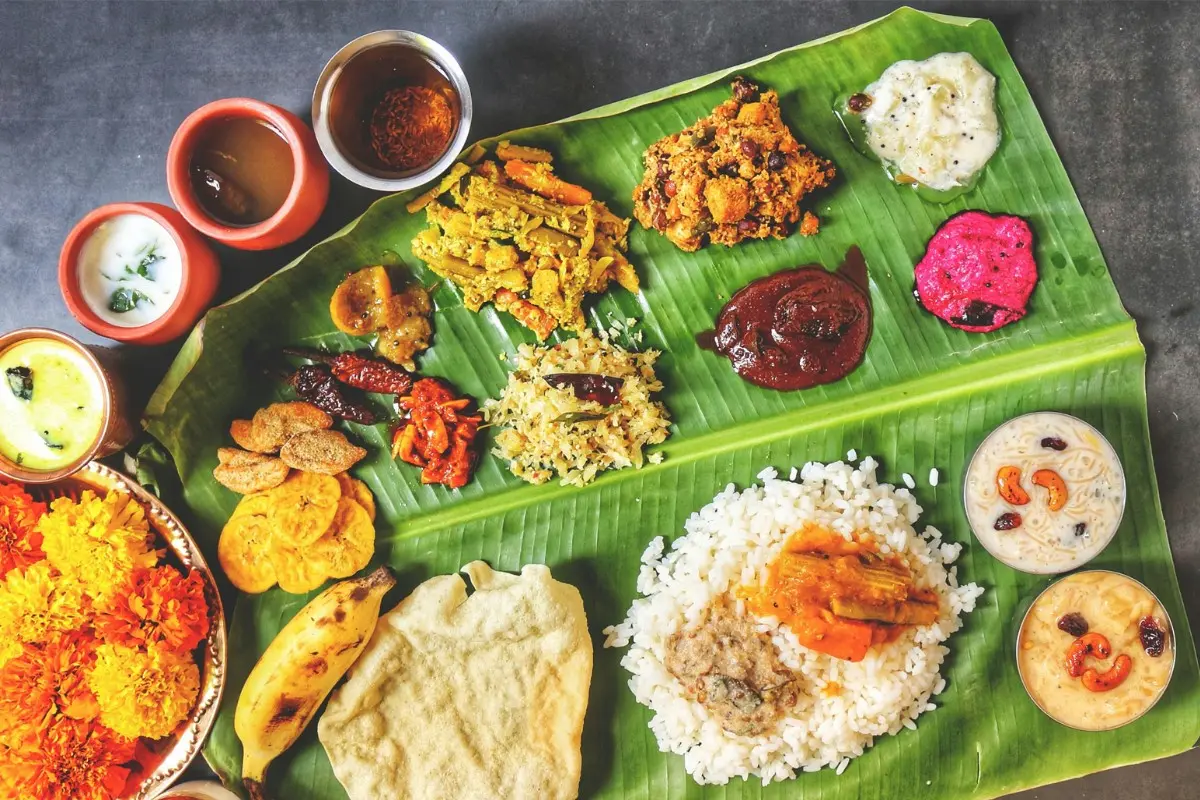
Word of the Day: FEAST
Pronunciation: UK /fiːst/ US /fiːst/
Meaning
'Feast' means a large and special meal, often prepared for a celebration, festival or important occasion. The word can also refer to a religious or cultural celebration itself.
Examples for daily usage
- The family prepared a lavish feast for the festival.
- Guests gathered around the table to enjoy a traditional feast.
- The wedding ended with a grand feast for everyone who attended.
Origin and history
Feast dates back to around the 12th century and entered English through Old French ‘feste’, meaning a religious festival, holy day or celebration.
The Old French word came from Vulgar Latin ‘festa’, from Latin ‘festum’, meaning holidays, feasts or festive banquets. The Latin word was related to festus, meaning festive, joyful or merry.
The meaning of feast gradually expanded. By the late 14th century, it was being used specifically for an abundant meal, while it could also describe any enjoyable occasion or event. The verb feast, meaning to eat and drink at a feast, also appeared in English around the 14th century.
Interestingly, the same Latin roots have given English words such as festival, festive, festivity and festoon, while related words include the French fête and Spanish fiesta.
Also Read: Word of the Day, August 23: ‘Revelry’
Cultural significance and modern usage
A feast is about much more than eating a large meal. Across cultures, food has long been a way of bringing people together for religious occasions, festivals, weddings and other important milestones.
In India, the idea of a feast is particularly familiar during festivals and family celebrations. From an elaborate Onam Sadya served on a banana leaf to festive meals prepared for Diwali, Eid or weddings, a feast often becomes part of the occasion itself.
The word is also used beyond food. Someone might describe a beautiful performance as “a feast for the eyes”, or a collection of wonderful music as “a feast for the ears”. In these expressions, feast means something that provides an abundance of pleasure or enjoyment.
Interesting facts
Feast has been used in English since around the 12th century.
The word originally referred to celebrations and religious holidays before developing its familiar food-related meaning.
The meaning “an abundant meal” dates to the late 14th century.
Festival, festive and festivity are all related to feast through their Latin roots.
Feast can be both a noun and a verb. You can attend a feast or feast on something delicious.
Examples from literature
- “I am invited to a little feast at the house of my friend...” — Louisa May Alcott, Little Women.
- “The feast was over, and the guests had departed.” — Charles Dickens, A Christmas Carol
- “...the three harpooneers were bidden to the feast, they being its residuary legatees.” — Herman Melville, Moby-Dick
Synonyms
- Banquet
- Spread
- Meal
- Celebration
- Festivity
Antonyms
- Hunger
- Scarcity
- Deprivation
- Abstinence
Read more Word of The Day here