Word of the Day, August 22: ‘Merriment’
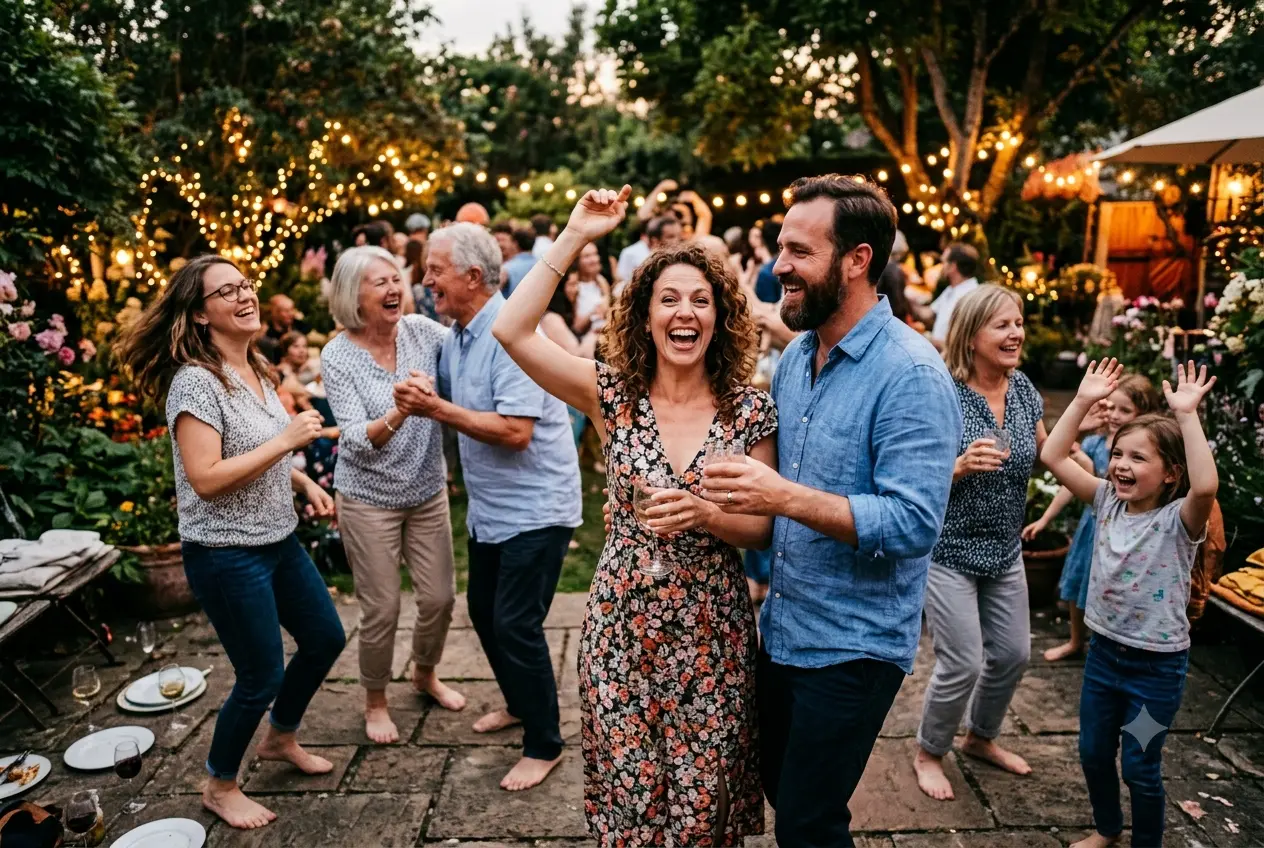
Word of the Day: MERRIMENT
Pronunciation: UK /ˈmerɪmənt/ US /ˈmerəmənt/
Meaning
‘Merriment’ means a feeling or atmosphere of happiness, laughter and cheerful enjoyment. It is often used to describe the fun and lively mood that comes with celebrations, gatherings and festive occasions.
Examples for daily usage
- The house was filled with merriment as the family gathered for the festival.
- Music, laughter and merriment continued late into the evening.
- The children's games brought plenty of merriment to the celebration.
Origin and history
'Merriment' comes from the Middle English word meriment, which meant amusement, entertainment or enjoyment.
It is formed from merry, a word with Old English roots, and the suffix -ment, which is used to form nouns describing a state or result.
The word merry itself can be traced to Old English myrige, meaning pleasant, agreeable or enjoyable. Over time, its meaning became closely associated with cheerfulness, festivity and good humour.
'Merriment' entered English as a word for cheerful enjoyment and has remained in use for centuries, particularly when describing the atmosphere of social gatherings and celebrations.
Also Read: Word of the Day, August 21: ‘Slumgullion’
Cultural significance and modern usage
Merriment is closely associated with festivals, holidays and communal celebrations. Whether it is a family gathering, a wedding, a religious festival or a simple evening spent with friends, the word captures the shared sense of happiness that comes from being together.
In literature, merriment is often used to describe scenes filled with laughter, music, conversation and celebration. Unlike words such as jubilation, which usually suggest intense happiness following a particular event, merriment tends to describe a more relaxed and playful kind of joy.
The word is also frequently found in phrases such as “festive merriment” and “much merriment”, making it particularly fitting for descriptions of holiday celebrations.
Interesting facts
Merriment comes from the word merry, which has Old English roots.
Unlike jubilation, merriment does not necessarily require a major reason for celebration.
Examples from literature
- “The merriment of the evening was at its height.” — Jane Austen, Pride and Prejudice
- “There was great merriment among the company.” — Charles Dickens, The Pickwick Papers
- “The bells rang out, and the merriment began.” — Charles Dickens, A Christmas Carol
Synonyms
- Cheerfulness
- Gaiety
- Jollity
- Mirth
- Festivity
- Liveliness
- Joviality
- Amusement
Antonyms
- Sadness
- Gloom
- Sorrow
- Melancholy
- Misery
- Despondency
Read more Word of The Day here