Word of the Day, August 19: ‘Scrooge’
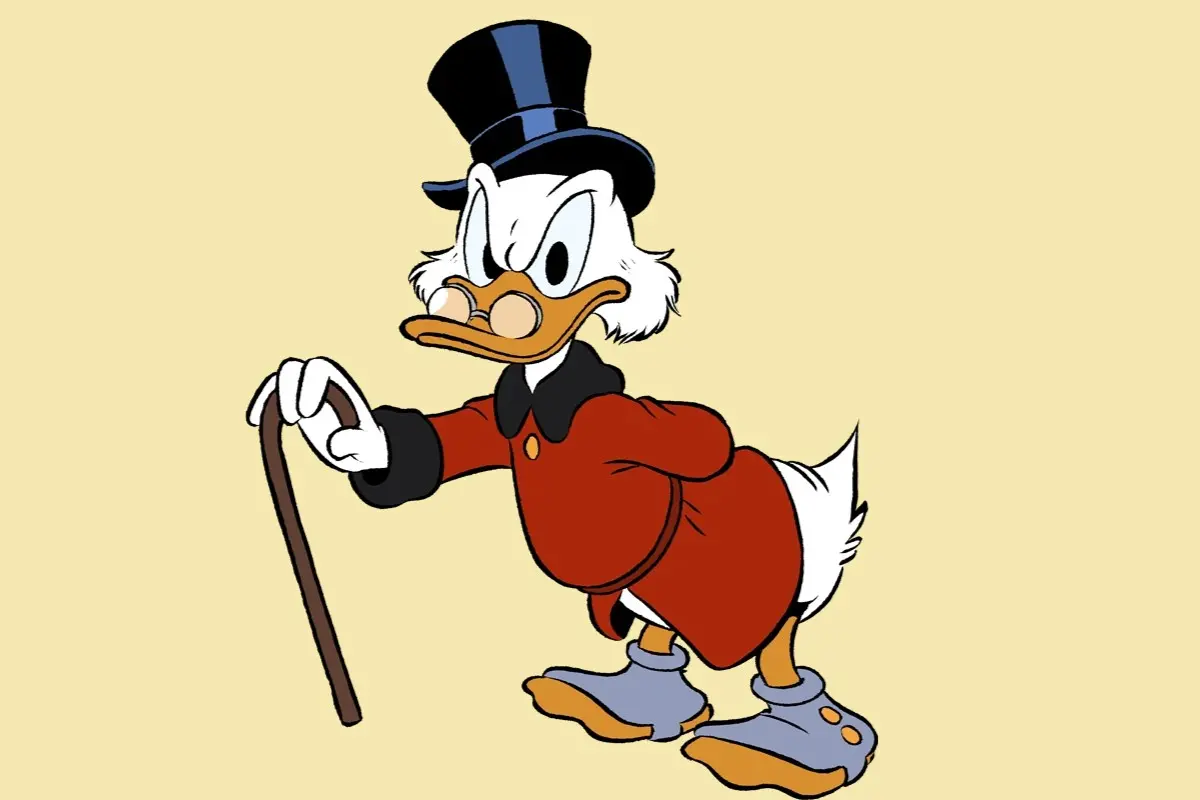
Word of the Day: SCROOGE
Pronunciation: UK /skruːdʒ/ US /skruːdʒ/
Meaning
'Scrooge' refers to a person who is mean, miserly or extremely unwilling to spend money. It can also describe someone who is generally ungenerous or unwilling to join in celebrations and enjoyment.
Examples for daily usage
- Don't be such a Scrooge, it's only a small amount of money.
- He became known as a Scrooge because he never wanted to spend anything on his employees.
- She loved the Christmas party, but her brother was a complete Scrooge about it.
Origin and history
"Scrooge" began as the surname of a fictional character rather than an ordinary English word. Charles Dickens introduced Ebenezer Scrooge in his 1843 novella A Christmas Carol.
The character is a wealthy businessman who is obsessed with money and deeply reluctant to part with it. Dickens famously describes him as "a squeezing, wrenching, grasping, scraping, clutching, covetous old sinner".
The surname itself may have been influenced by older dialect words such as "scrouge", meaning to squeeze, press or crowd. However, the exact origin of Dickens' choice of the name is uncertain. The popular story that Dickens saw a gravestone and misread "meal man" as "mean man" has not been reliably established.
The character's name eventually became a word in its own right. Merriam-Webster records "scrooge" as a noun meaning a miserly person, with its first known use in this general sense in 1899.
Also Read: Word of the Day, August 18
Cultural significance and modern usage
Few fictional characters have had their names become such recognisable parts of everyday English. Today, calling someone a Scrooge immediately suggests a person who is stingy, particularly with money.
The word is especially common around Christmas, thanks to Dickens' story. Someone who refuses to spend money on presents, avoids celebrations or complains about the cost of festivities might jokingly be called a Scrooge.
The word can also be used outside Christmas. A person who is simply unwilling to spend or share money can be described as a scrooge, even when Christmas has nothing to do with the situation.
Interestingly, the character himself is more complicated than the word has become. Scrooge begins the story as a miserly and isolated man, but the supernatural visits he receives force him to confront his past, present and possible future. His transformation from a selfish miser into a generous man is central to A Christmas Carol.
Interesting facts
Scrooge is a fictional character whose name became a dictionary word. This is known as a type of eponym, where a person's name becomes associated with a particular quality or behaviour.
The name Ebenezer Scrooge has become so closely associated with miserliness that dictionaries now use the character as the origin of the noun.
Dickens' original description of Scrooge compares him to flint and an oyster, presenting him as both emotionally cold and shut away from other people.
Scrooge's famous "Bah! Humbug!" has also entered everyday language. It is now used to express cynical disbelief or a refusal to take something seriously.
The word is not limited to people who are poor with money. In modern usage, a Scrooge can also mean someone who refuses to enjoy or participate in something that others find fun.
Examples from literature and movies
- "Oh! But he was a tight-fisted hand at the grindstone, Scrooge!" — Charles Dickens, A Christmas Carol
- "Bah!" said Scrooge, "Humbug!" — Charles Dickens, A Christmas Carol
Synonyms
- Miser
- Cheapskate
- Tightwad
- Stingy person
Antonyms
- Generous person
- Philanthropist
- Altruist
- Big spender
Read more Word of the Day here