Who was Jason Arday and why is his death sparking calls for a UK public inquiry?
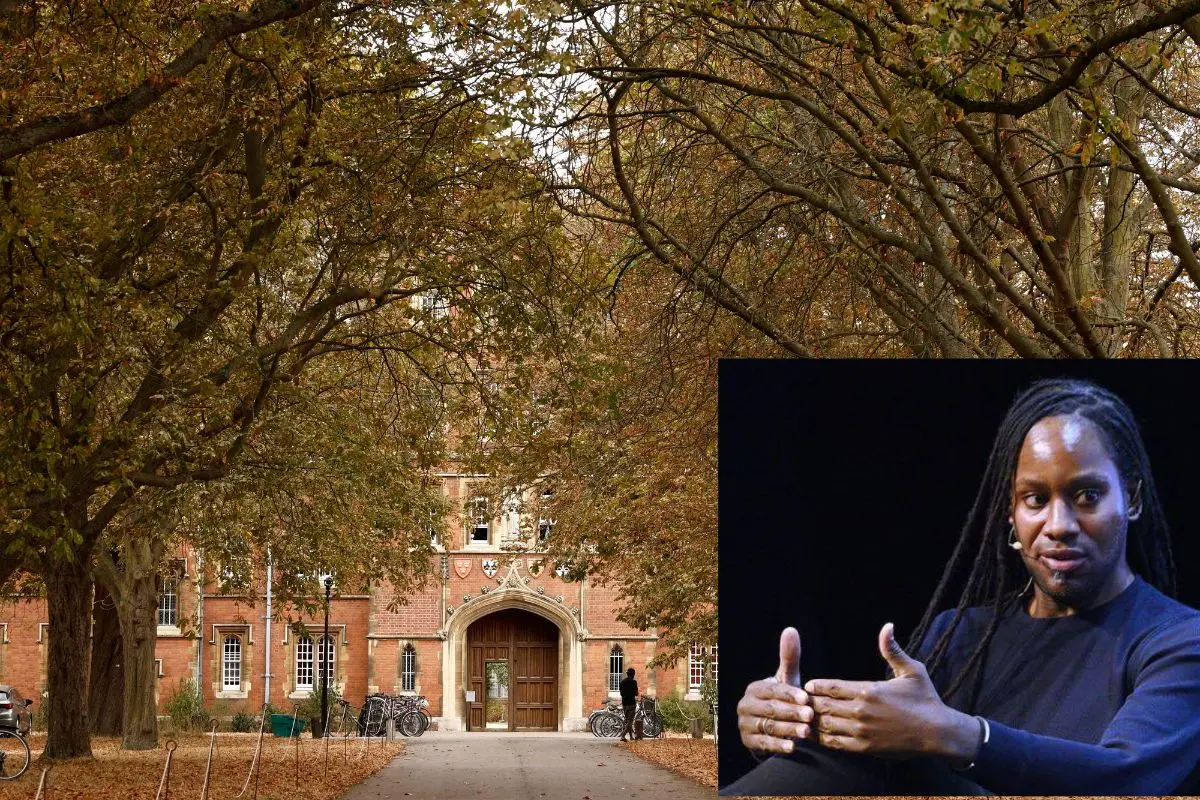
London: More than 31,000 people, including several MPs, have signed a petition calling for a public inquiry into alleged media harassment of former Cambridge University professor Jason Arday, whose death has triggered a wider debate over academic scrutiny, racism and the pressures faced by public figures.
Arday, 41, was found dead on Friday. His death came days after he resigned from his position at Cambridge University and as a fellow of Jesus College, following intense scrutiny over allegations concerning his academic work and aspects of his personal history.
The Good Law Project, which launched the petition, had supported Arday after he stepped down. It has accused sections of the British media of subjecting him to sustained harassment and said racism was a significant element of the campaign against him.
From historic Cambridge appointment to intense scrutiny
Arday's appointment in 2023 had been widely celebrated. He became the youngest Black professor at Cambridge and was appointed professor of sociology of education at one of the world's most prestigious universities.
Black academics remain a small minority among professors in UK universities, making Arday's appointment particularly significant amid wider debates over racial representation, diversity and decolonising education in the aftermath of the Black Lives Matter movement.
His personal story also made him a prominent figure beyond academia. Arday had spoken publicly about being autistic and about not speaking until he was 11 or learning to read and write until he was 18.
His journey from those early challenges to a professorship at Cambridge attracted considerable attention and made him a celebrated example of overcoming barriers in education.
Allegations over his academic work
The controversy intensified in July 2026 when allegations were made about the quality and integrity of Arday's academic research.
One of the central allegations concerned his PhD, awarded by Liverpool John Moores University. It was alleged that sections of the research had been plagiarised.
Arday denied the allegations. Liverpool John Moores University said that, following a review, it stood by the quality of the research. Arday had also suggested that errors in attribution were linked to his autism.
The scrutiny subsequently widened to earlier work he had produced while at Durham and Glasgow universities. Academics and commentators became divided, with some defending Arday against what they regarded as disproportionate attacks, while others argued that his work deserved rigorous examination.
At Cambridge, where academic integrity is central to the institution's reputation, the allegations prompted calls from some academics for an independent investigation.
Questions beyond academia
The scrutiny also extended to elements of Arday's personal narrative.
Questions were raised about his claims concerning £5 million raised for charity. Arday clarified that the amount had been raised as part of a wider group effort.
There was also scrutiny of a 600-mile running challenge, with questions over the length of time it took compared with how it had initially been presented.
As the controversy grew, some people who had publicly supported Arday removed their names from a letter backing him.
By the time he resigned on August 5, Arday said the "relentless accusations" had taken a profound toll on him and his family. He also suggested that the scrutiny directed at him had been racially motivated.
'He felt hounded to death'
The circumstances surrounding Arday's death have now brought the human cost of the controversy into sharper focus.
His family and friends have described what they called a sustained campaign of abuse and misinformation.
Simon Woolley, Arday's former mentor and a prominent Cambridge figure, told the BBC that he and a group of friends had met Arday last Monday.
According to Woolley, Arday said he felt "hounded to death" and that he could not see a way out. Woolley described him as being in an extremely distressed state and said he had lost a significant amount of weight.
The Good Law Project has also said that people involved in its campaign had privately warned media organisations that the continued scrutiny could put Arday at risk of suicide.
These claims will now form part of the questions surrounding the circumstances and state of mind of the academic in the days before his death.
Calls for an inquiry
The Good Law Project's petition argues that the intensity of the media coverage warrants an independent public inquiry.
The organisation said Arday's death was linked to what it described as sustained press harassment and argued that racism played a role in the coverage.
That claim is being disputed, while the broader questions surrounding the allegations against Arday remain unresolved. His death does not itself establish a link between the media scrutiny and his death, and any such questions will have to be considered carefully.
A vigil for Arday is due to be held at London's Trafalgar Square on Monday evening. A fundraising campaign for his family has also raised nearly £89,000.
(Disclaimer: If you or someone you know is experiencing emotional distress, mental health challenges, or thoughts of self-harm, seek professional support without delay. You can contact Tele-MANAS, a 24x7 mental health helpline by the Ministry of Health and Family Welfare, at 14416 or 1800-891-4416.)