OPINIONSmartphones are transforming India’s export story
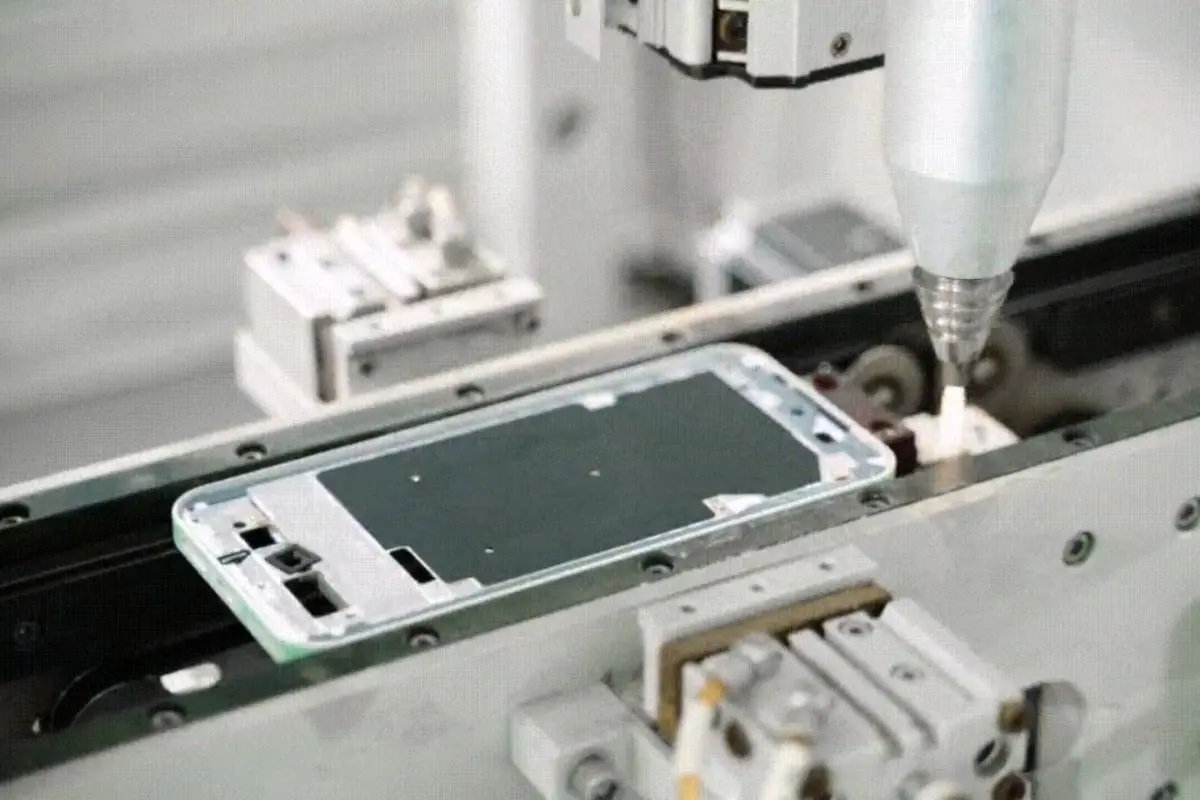
Indian electronics exports have surged on the back of smartphones, as the global electronics industry is reshaped by supply-chain diversification amid continuing trade tensions between the US and China. In August 2026, shipments of electronic goods rose 89.82 per cent year on year, from $2.93 billion to $5.55 billion -- the fastest growth among major export categories that month.
Total merchandise exports grew 26.1 per cent to $43.81 billion, with electronics accounting for nearly 13 per cent of the total. The increase reflects a combination of expanded production, stronger overseas orders and India’s growing role in global mobile-phone supply chains.
Smartphones, especially those assembled in India for major global brands, have driven much of the recent growth. The US is a key destination, alongside the UAE and several European markets.
In April–June 2026, smartphone exports reached a record $9.84 billion, close to 65 per cent of the $15.2 billion in total electronics exports, led by Apple’s iPhone shipments. Three forces came together: Apple’s vendors, Foxconn and Tata Electronics, continued shifting assembly to India; the United States remained by far the largest buyer; and production-linked incentives helped keep Indian output cost-competitive.
Mobile phones tell the story best. Mobile-phone production grew from about $2 billion in 2014–15 to $62 billion in 2024–25, making India the world’s second-largest mobile-phone manufacturer and third-largest smartphone exporter.
In Q2 FY26, India became the largest smartphone supplier to the US, overtaking China. Electronics made up 9 per cent of merchandise exports in FY25, up from 6.73 per cent a year earlier.
Based on FY26 figures -- $47.96 billion out of $441.78 billion -- the share is close to 11 per cent, placing electronics among the country’s top export sectors. The monthly rise is part of a longer expansion.
Electronics exports rose from $15.7 billion in 2021–22 to $23.6 billion in 2022–23, then to $29.1 billion in 2023–24 and $38.6 billion in 2024–25. The latest full-year figure was 32.6 per cent higher than the previous year.
Domestic manufacturing has expanded alongside exports. Electronics production rose from Rs 1.9 lakh crore in 2014–15 to Rs 11.3 lakh crore in 2024–25.
Mobile-phone production reached Rs 5.45 lakh crore in 2024–25, compared with Rs 18,000 crore a decade earlier.
The global picture needs perspective, though. NITI Aayog has estimated India’s share of world electronics exports at under 1 per cent, and much of the value in devices made in India still comes from imported components.
India is growing fast, but from a small base in an industry dominated by China, Taiwan, South Korea and Vietnam. With rapid advances in digital technology and renewed competition among major economies, companies are looking to spread production across more locations, while demand for smartphones and communications equipment continues to evolve. These changes give India an opening: its manufacturing base is expanding, exports are rising and global brands are increasing their presence.
Smartphones have led the momentum, while telephone and telecom equipment offer further scope. India has gained ground in mobile phones and telecom equipment: its share of world exports in that category rose from 0.14 per cent in 2015 to 3.5 per cent in 2024. Yet global demand is shifting towards components and enabling technologies.
India’s gains remain concentrated in finished devices; it has yet to build comparable export strength in semiconductors, batteries and displays. The Production Linked Incentive (PLI) scheme drew in global handset makers and is widely credited with driving the smartphone boom.
The government is now pushing deeper into the supply chain. The Electronics Components Manufacturing Scheme, notified in April 2025, had its outlay raised to Rs 40,000 crore in the 2026–27 Budget. By March 2026, 75 projects worth about Rs 61,000 crore had been approved, with roughly 65,000 direct jobs expected; more approvals followed in August.
The India Semiconductor Mission has secured more than Rs 1.60 lakh crore in approved investments, and four chip units are due to begin commercial production in 2026. Trade diplomacy has helped, too.
The India–US trade agreement lowered reciprocal tariffs to 18 per cent, while the free trade pact with the European Union adds predictability for investors.
Geopolitics has strengthened the incentive for companies to diversify production beyond China. US–China tensions, tariffs and supply-chain risks have encouraged a “China-plus-one” approach, and India has benefited as global brands and contract manufacturers expand capacity there.
Apple’s expanding Indian production and exports illustrate the shift. The company plans to move US-bound iPhone assembly to India by the end of 2026. Official targets are ambitious: $500 billion in electronics production by 203031 and $180–200 billion in exports by 2031, compared with about $48 billion in FY26. The US accounted for about 51 per cent of FY26 electronics exports, while Apple’s ecosystem accounts for roughly three-quarters of smartphone exports, leaving the sector exposed to a small number of buyers and policy decisions.
Components remain heavily imported, which is why the government wants locally made content in smartphones to reach 35–40 per cent. Growth in non-mobile segments such as IT hardware, wearables, telecom equipment and consumer electronics will also be key to diversifying the sector.
India’s electronics story has shifted from assembling imported kits to building a manufacturing ecosystem. The global market offers substantial opportunities. Investment in artificial-intelligence infrastructure is boosting demand for semiconductors, servers and related equipment.
If component manufacturing, chip production and market diversification keep pace with phone assembly, the August surge may prove to be an early marker of lasting transformation.
Views expressed are personal