Kerala’s hidden epidemic: The state leads in highest number of drug cases
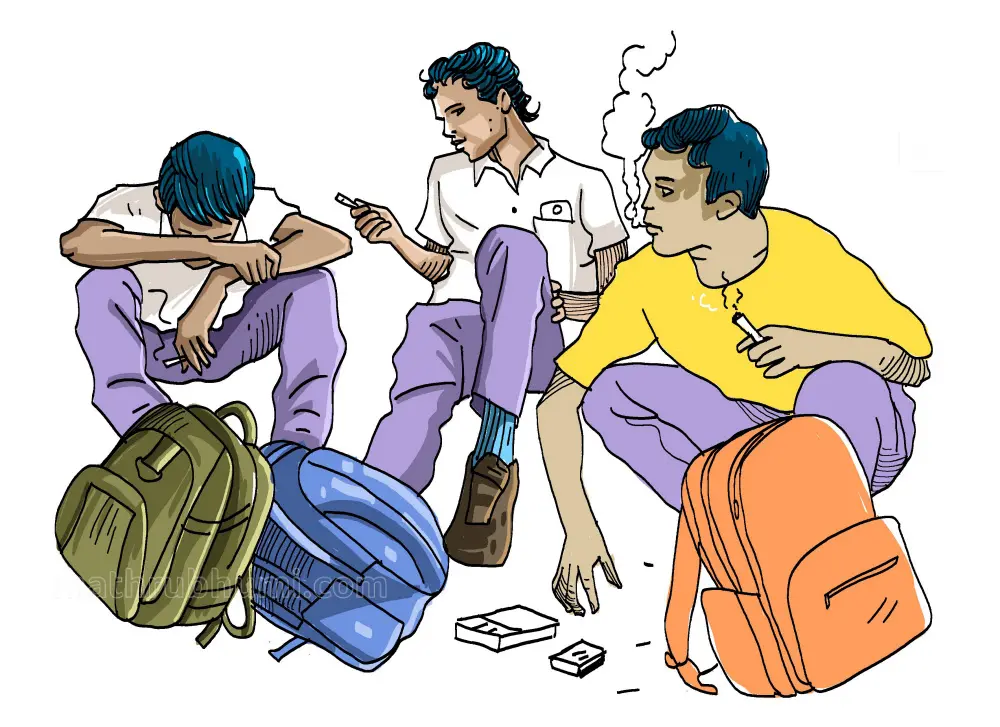
Kerala, often lauded for its literacy and health indices, is now battling an alarming drug abuse crisis that threatens its social fabric. In 2024 alone, Kerala registered over 27,700 cases under the Narcotic Drugs and Psychotropic Substances (NDPS) Act, far outstripping Punjab’s roughly 9,000 cases. This makes Kerala the state with the highest rate of drug-related cases in India at 78 cases per lakh population, more than double Punjab’s rate. No district has been spared, every corner of Kerala is affected, with every one of its 14 districts logging 500+ drug cases last year. The collateral damage is evident in rising crime: in the first two months of 2025, 30 murders, half of all murders in the state were linked to substance abuse. Clearly, God’s Own Country is in the grip of a drug epidemic that is widespread and escalating, demanding urgent attention.
A government report estimated that 7.5 lakh adults in Kerala use drugs, and alarmingly around 75,000 children (aged 10–17) are already users. These figures underscore how deeply the crisis has seeped into the younger demographic, threatening to rob a generation of its potential. The easy availability of novel drug forms has made the trap even more insidious: potent narcotics are being camouflaged as innocuous candies and chocolates to entice children, and shops peddling spiked sweets have emerged. In fact, the situation has grown so dire that sales of home drug-testing kits have skyrocketed, as anxious parents resort to checking their teenagers for substance use.
Why Kerala? Root Causes of the Drug Menace
Several interlocking factors have contributed to Kerala’s current situation. Geographic vulnerabilities play a significant role. The state’s extensive 590-km coastline is a double-edged sword: it facilitates commerce but also provides an entryway for narcotics trafficking. Additionally, proximity to major urban hubs has created drug supply conduits, for instance, Bengaluru and Chennai serve as feeder hubs funnelling substances like MDMA and meth into Kerala. Locally, enforcement agencies have identified around 1,300 drug-peddling “black spots” across the state. These reveal enforcement gaps: dealers exploit technology and anonymity, operating via the dark web and cryptocurrency to run faceless supply chains. It’s telling that one can allegedly obtain their drug of choice within 15 minutes of placing an order in many parts of Kerala. Such ease of access points to lapses in monitoring and law enforcement, as well as the adaptive tactics of traffickers outpacing traditional policing.
Beyond these supply-side issues, social and cultural dynamics have made Kerala’s populace, especially its youth, vulnerable to substance abuse. There is a rising glorification of gangsterism and hyper-masculine bravado in popular media, enticing some youngsters to emulate gang culture. Drug cartels cynically leverage this: students are being lured and co-opted by local goons, treated as protégés or easy prey to expand the retail network.
Kerala also paradoxically faces high educated unemployment. The disappointment of unmet aspirations and joblessness becomes fertile ground for escapism through drugs. “If you do not fill the minds of youth with hope, they will fill their veins with dope,” warned a clinical psychologist in a discussion on Kerala’s drug problem. Moreover, a culture of migration means many young Keralites grow up in fragmented families (with parents working abroad), potentially leading to social alienation or lack of supervision.
Remedies and Best Practices: Learning from Home and Abroad
Preventive education is paramount. Initiatives such as Vimukthi mission and Janmaithri policing, need to be amplified, every school and college curriculum must integrate substance abuse education, not as a perfunctory module but through sustained programs that build resilience and informed decision-making.
Kerala can draw inspiration from Iceland’s remarkable prevention model, which turned that country’s teen drug problem around. By engaging youth in after-school sports, arts, and clubs, setting community curfews, and promoting greater parent-teen interaction, Iceland slashed teen substance use rates dramatically (for instance, alcohol use among 15-16-year-olds dropped from 77% to 35% in 20 years).
Kerala can also advocate for and pilot aspects of the Portugal policy on drugs, steering users (especially juveniles and first-time offenders) toward de-addiction programs and counselling rather than straight to jail. At the same time, enforcement can focus aggressively on traffickers and repeat offenders.
Other Indian states like Punjab, which has struggled with a heroin epidemic, underscore this lesson. Punjab’s initial heavy-handed approach (mass arrests of users) eventually gave way to a more nuanced strategy including OOAT clinics (Out-patient Opioid Assisted Treatment) and the Buddy peer-education program in schools. Similarly, in Meghalaya and Mizoram, community-run rehabilitation centers and church-led awareness drives have helped rehabilitate many youth.
Investing in technology-driven surveillance and intelligence is key
This could include using AI analytics on security camera networks to monitor known drug hotspots, tracking suspicious online activities (with due privacy safeguards), and training cyber cells to infiltrate darknet marketplaces where narcotics are sold.
Kerala’s long coastline requires better patrolling, marine police units, and even drones for coastal surveillance can plug the maritime route for drug smugglers. Inter-state coordination is equally vital; Joint operations with Karnataka and Tamil Nadu can target the inter-state smuggling corridors (like the Bengaluru-Kochi route) that were identified. Learning from global best practices, Kerala could also explore dedicated drug courts or fast-track NDPS courts to ensure swift justice, since certainty and swiftness of punishment carry a strong deterrent effect.
Turning the Tide: An Urgent Collective Mission
What is needed is an all-of-society effort that combines compassion with firmness – one that punishes the profiteers of death, while extending a helping hand to the victims. Policymakers must remember that this is as much a social and health crisis as it is a law-and-order issue. Every stakeholder has a role: the government to lead and coordinate, law enforcement to act without fear or favour, schools and colleges to educate and monitor, religious and cultural leaders to guide the community, and families to support and rehabilitate.
A broader national policy on drug abuse, informed by Kerala’s learnings, could eventually help other states grappling with similar issues. The vision of a “Drug-Free Kerala” might sound ambitious, but with sustained action, it is achievable. Each small victory – a college made drug-free, a village that rehabilitates its addicts, a busted trafficking network, will be a step toward reclaiming God’s Own Country from this peril. The time to act is now.
(The author is a Public Policy Expert and consulted on various policy, governance and administrative issues, both at the national and international levels)