The saga of Kargil goes on
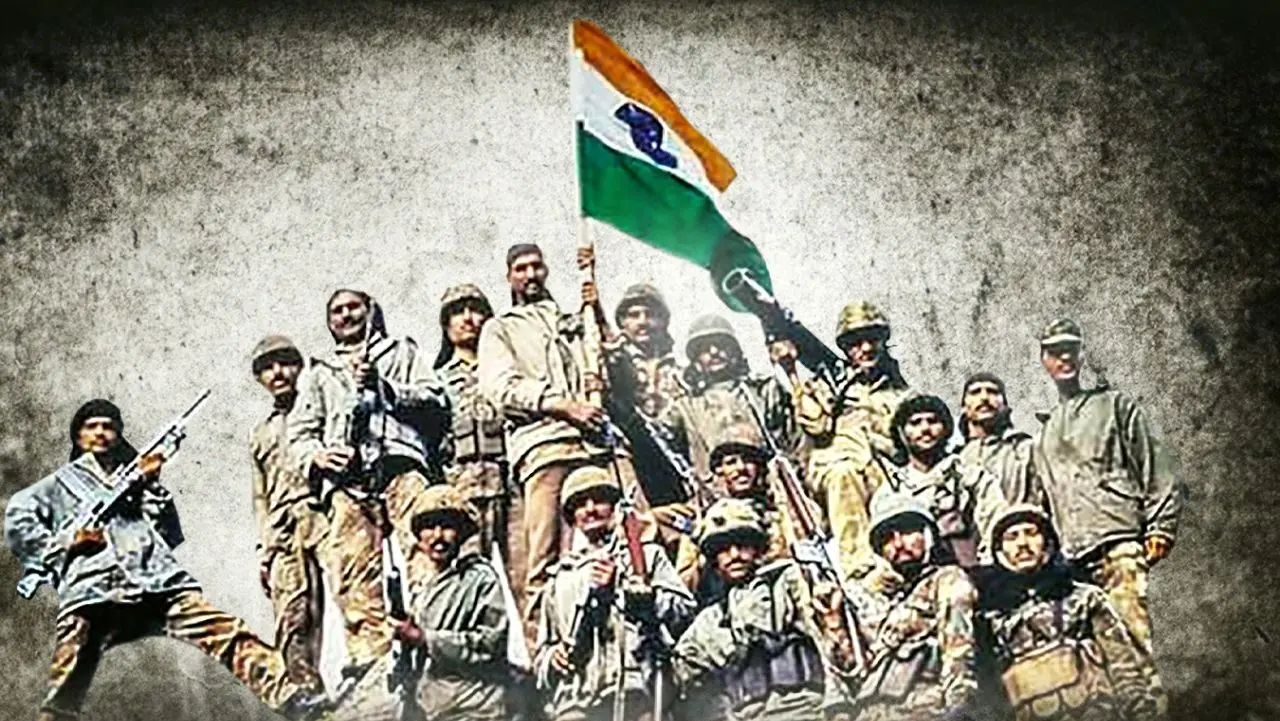
Those silhouettes remain the imperium of pride. The sheen of light reflecting from melting snow illumine the Kargil heights -- a memory that refuses to grow even in the silver jubilee glow. Her incumbent glory rekindles those moments of follies which underline that monumental slap on national pride. The moment when collective consciousness of the country felt defeated after the bonhomie of Lahore Declaration.
We had shared that reluctant smile on former Prime Minister Atal Bihari Vajpayee’s face when he boarded a bus and travelled to Lahore to meet his Pakistan counterpart Nawaz Sharif.
The tight hug presented the best photo-op in the history of bilateral diplomacy. But before the tire marks across the border faded, ricochet of gunshots was heard from Kargil heights. Those shots that echoed on the Himalayan slopes brought with it sad stories of martyrdom of brave hearts.
It pierced the national pride. Every uniformed personnel buckled up with simmering anger to avenge deceit. The media had to be part of this historic moment to witness the fight back of a fallen nation.
More than any geography lost, it was a collective war-cry of a people who felt humiliated.
Each of us from media assumed that we were the chroniclers destined to tell this story of valour. How soldiers and officers threw caution to wind and scaled up steep mountain walls to butcher intruders.
More than a conventional war it was a covert operation fully reflecting the conspiracy and cowardness of a hostile neighbour. We had to narrate every minutiae of the action-packed days. Not just of heroes but also of local people who stood by the defence forces.
Many villages were razed. Many acres of farmland disfigured by falling mortar shells. Many had to leave their villages. Their entire ecosystem changed. But none complained about their displacement.
They were happy that they too were lending a shoulder to the wheel; this bliss serenaded on the creases on their face.
In this journey, the most touching moment was when Indian Army gave formal and decent burial to bodies of Pakistani soldiers abandoned by their masters. We covered them with their national flag. Prayers were said. And still those Pak soldiers sleep on the sides of the Indian heights suffering the nightmarish memory of being abandoned by one’s own nation.
On the Indian side each soldier and officer who attained martyrdom was given a farewell where their villages and neighbourhood thronged to say adieu. Many youth would have imbibed them. It is worth a study to find out how many youth in the last 25 years decided to join the defence forces inspired by the heroism of their neighbourhood hero.
The chronicle of Kargil is never complete without a comprehensive study of those lives who inherited the whole gamut of this chapter - the power of martyrdom and the pathos of lost kin. Of a faith reposed in the Army. Of a newly-knit mechanism for intelligence sharing. Of a political ambition that was defeated but later rejuvenated in the same rhetoric. The saga of Kargil goes on.
But the final chapter -- like any creator and chronicler would do -- is the advice to look beyond the brief illusion of victories floating like a bubble on the bitter waters of disillusionment of a shattered diplomacy.
Along the borders there is no peace. Soldiers -- all sons born to different mothers -- wait and watch eyeball to eyeball in chilly weather for the first blink.
In Himalayan heights, the cost of a blink is equal to the cost of a life; a priceless life. And they know it better.
The author is Editor of Mathrubhumi Daily & Digital