How T20 has changed cricket's entertainment level
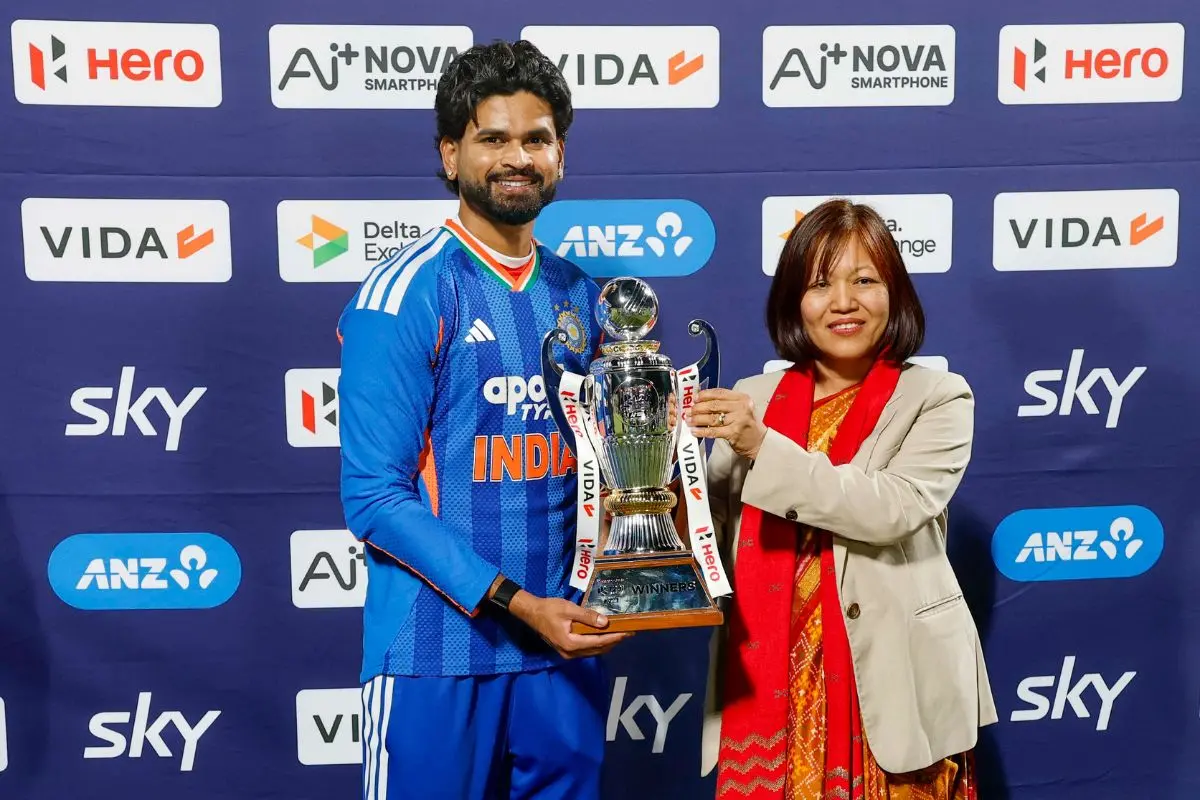
The highs and lows of cricket fortunes can never be better portrayed than in a T20 fixture. The swings can be so swift that one is left to wonder if the term ‘supremacy’ has any relevance in this form of cricket! The India-New Zealand away series which just concluded is a case in point. True, India had taken a straight unassailable three-win lead in this five-match series, but the way New Zealand came back in the fourth and fifth matches must have left many pondering where all the power-packed Indian show till then had gone or why New Zealand had looked subdued earlier. There was nothing to suggest that this was the Indian team that had overwhelmed the host in such a pronounced way, nor did New Zealand give an inkling of being a beaten side. That is T20 cricket, and that, in effect, is cricket today. Instant results where it would appear the focus is more on the batting and bowling displays than the outcome, so to say. Yes, for the records, India had won the series, but the focus had to be on the kind of records that came up in the matches.
While the whole talk before the fourth match was India’s grand show in the third encounter in Wellington, where the boy wonder Vaibhav Sooryavanshi and Abhishek Sharma put the rival attack to the sword, New Zealand repaid it in sterling fashion in the next two. But it must be said, India’s show in Wellington was outstanding. Scoring 50 runs in little over two overs was the fastest by a team in T20, as was raising 118 for no loss in the powerplay (overs 1-6). Suffice to say, where New Zealand took all of 20 overs to score 199, India scaled the target in 13.2 overs! Imagine, had India been batting first and setting a target, the score could easily have gone closer to or past 300. That scenario appeared suddenly to come up in the very next match too, when New Zealand brought up over 250 runs thanks to an inspired effort by Glenn Phillips, who scored a century (107). This was the highest total scored by any team against India, and the defeat India suffered by 87 runs is its second-largest in T20 history. Phillips, in fact, by the end of the series had set another high, amassing an incredible 341 runs, which happens to be a world record for the highest in a bilateral series.
How cricket has transformed over the years thanks to the advent of the limited-overs variety! First the 50-over one-dayers and then subsequently the more striking and absolute public delight, the T20. One’s thoughts go back to the days when Test cricket was the centerpiece of attraction, where, more than big hits and slam-bang stuff, the proceedings were highlighted by dour batting or tight bowling. In between came the classics: a flowing cover drive, a square cut, or a classy bowling effort, be it spin or pace. Again, it was not the outcome of a five-day match that seemed a subject of intense discussion as much as the batting or bowling displays. Steeped in technique, that formed the tradition of cricket—read Test cricket. In total contrast is what is on view in current times. Not that the current type of cricket is without technique; only it is different. Now, the technique is big hitting with a no-holds-barred approach, while bowlers struggle, often depending on toe-crushing yorkers to check the flurry. No complaints there, for these are times when instant entertainment is key to a tournament's or match’s success.
If T20 indeed started the revolution in cricket, changing its face virtually, then it must be said it was the Indian Premier League (IPL) which was the harbinger of great times for this sport not only in India but abroad. Not only did the fans find the competition captivating, even the sponsors found it irresistible. Media rights grew in strength. What is more, Indian cricket, nay world cricket, entered the throes of a financial evolution. India’s cricket body became the richest in the world, and what is more, Indian cricket players right up from the Ranji level, aside from their regular payments during their playing days, were to benefit with generous pensions and the like. Suffice to say, cricket was no longer just a sport, but an occupation that ensured the practitioner not just financial security, but riches beyond one’s dreams. Who else but Sooryavanshi can be the prime example? A youngster still to reach the age when he could drive a car sits cool with fat sums in his bank account! Imagine just what unique talent can earn in today’s cricket world!
Test cricket will be there, as will other representative events in the sport, but it can be said the limited-overs variety, in particular T20, has come to stay and raise competition and entertainment to a new high. The IPL that way has been a big game-changer. In addition to entertainment, the IPL has also helped the country to unearth newer talent. Getting the best players from across the world with handsome price tags to perform provides their Indian counterparts the exposure to the best possible conditions to sharpen their skills. The rise of new talent completes the picture of a rare success that few sports can claim. Riches in every sense is what cricket in the country is enjoying.