‘CMF becomes Indian’: Nothing to spin off brand as standalone company
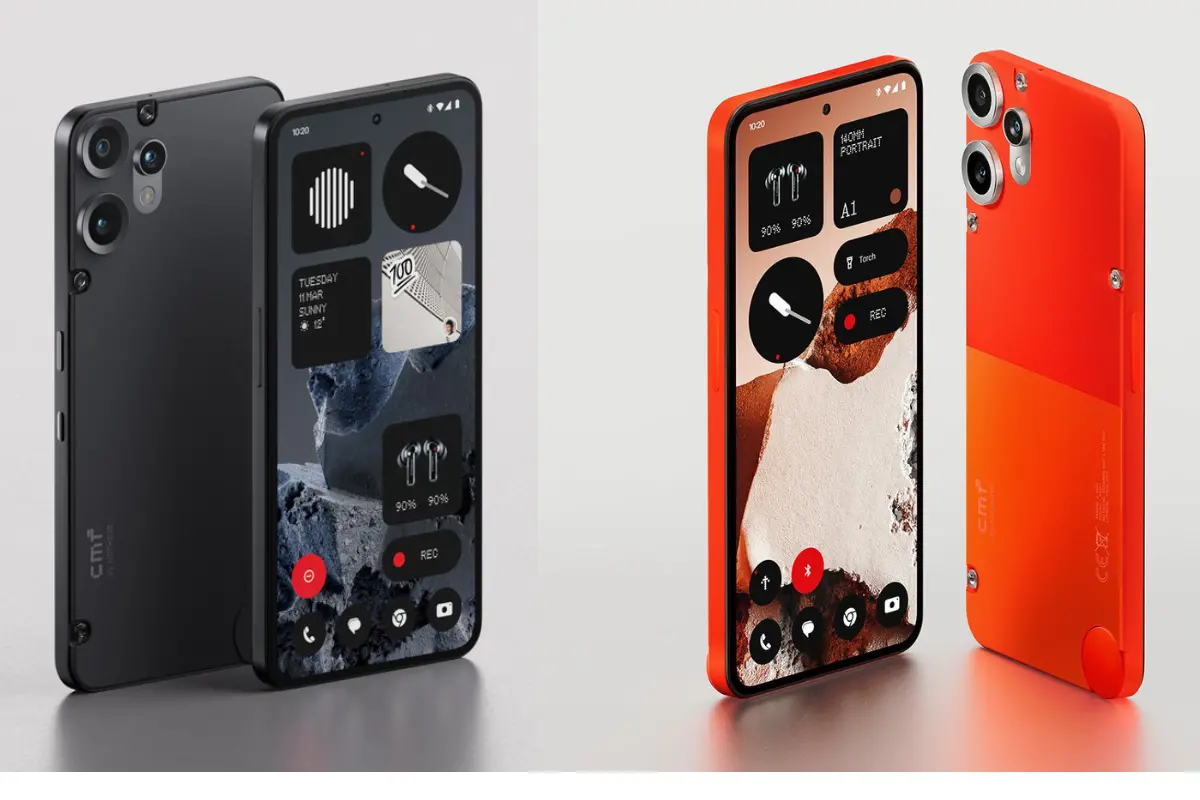
Nothing will spin off its affordable sub-brand CMF into a standalone Indian company as it seeks to develop it into a global consumer electronics brand, CEO Carl Pei said on Monday.
Pei, who co-founded OnePlus before launching Nothing in 2020, said CMF would cease to operate merely as a product line of Nothing and would be incorporated in India with a majority Indian ownership.
CMF by Nothing focuses on affordable and mid-range smartphones and other consumer electronics.
"I'm not Indian. I'm a Swede who spent eight years in China and runs a company from London. So let me be plain about why I care. I know what it takes. And we've already built the pieces that are missing. We think we can be India's partner in this. So we're spinning CMF out of Nothing into a standalone Indian company: majority Indian owned, headquartered in India, with its own team and R&D in the country," he said in a blog.
"Nothing stays as a shareholder and partner. CMF becomes Indian," Pei said.
Pei had met Union Electronics and IT Minister Ashwini Vaishnaw in September 2025 and discussed plans to establish CMF as an India-headquartered subsidiary.
Nothing had also announced a manufacturing joint venture with Indian electronics manufacturer Optiemus Infracom to make India a global production and export hub for both Nothing and CMF products.
The two companies had planned to invest more than USD 100 million, or about Rs 887 crore, in the venture, which was expected to generate more than 1,800 jobs in India by 2028.
Pei's latest announcement comes against the backdrop of the government's push to promote Indian smartphone brands and strengthen domestic electronics manufacturing. The government's electronics manufacturing policies have focused on expanding domestic production, investment and exports.
Last month, Vaishnaw had said indigenously designed mobile phones, with Indian companies owning the intellectual property rights, are expected to hit the market within 10-14 months under the Rs 62,500-crore Mobile Phone Manufacturing Scheme.
He had also said the government would be strict in screening Indian brands and would not allow "copycats" to benefit from the scheme.
Pei said countries that have built consumer electronics manufacturing capabilities at scale have eventually produced their own global brands.
"Japan did. Korea did. China did, and I watched it happen over the better part of a decade living there. India is next. It's already the world's second largest smartphone manufacturer, with the largest youth population on earth and one of its deepest software talent pools. What it doesn't have yet is a global consumer electronics brand of its own. That will change. The only questions are when, and how?" he said.
India already has a large manufacturing base and a domestic market that absorbs more than 150 million smartphones annually, Pei said, adding that the government is also seeking to establish the country as a global export hub.
"What it lacks is the brand to drive the engineering demand," he said.
Pei said genuine research and development involves designing, engineering and continuously improving products in-house.
"It's what separates a company that lasts from one that rides a moment. Nothing has built exactly that, and shipped it to millions of people worldwide. Now the opportunity is to take it to India and scale it 100x," Pei said.
According to Counterpoint Research, Nothing was India's fastest-growing smartphone brand in the June 2026 quarter, recording 105 per cent year-on-year growth. The growth was attributed to demand for the Phone (4a) and Phone (4a) Pro, along with increased brand visibility from its title sponsorship of the Royal Challengers Bengaluru during the Indian Premier League.
Pei recalled that Indian brands accounted for nearly half of smartphone sales in the country in 2015, with one domestic brand briefly overtaking Samsung as the best-selling smartphone brand in India.
"It looked like the start of something. It wasn't. Within two years, foreign brands arrived with what the domestic ones lacked: real engineering. A genuinely better phone every year, with new camera systems, tighter integration, better design. The domestic brands were licensing an off-the-shelf design, changing the back cover and adding a logo. By 2025 they held less than 1 per cent of a market they once led," he said.
Pei said India now offers a significant opportunity for a new entrant, but argued that companies need to build in the country rather than simply sell products there.
"Foreign brands have come to India for its demand before. They shipped what they had, kept the engineering offshore, and left India with assembly lines and little upstream of them," he said.
A company that owns its R&D capabilities can develop new products, reduce costs without compromising quality and continuously improve its offerings, Pei said.