Chinese CCTV ban starts April 1: India bars Hikvision, Dahua and TP-Link over security risks
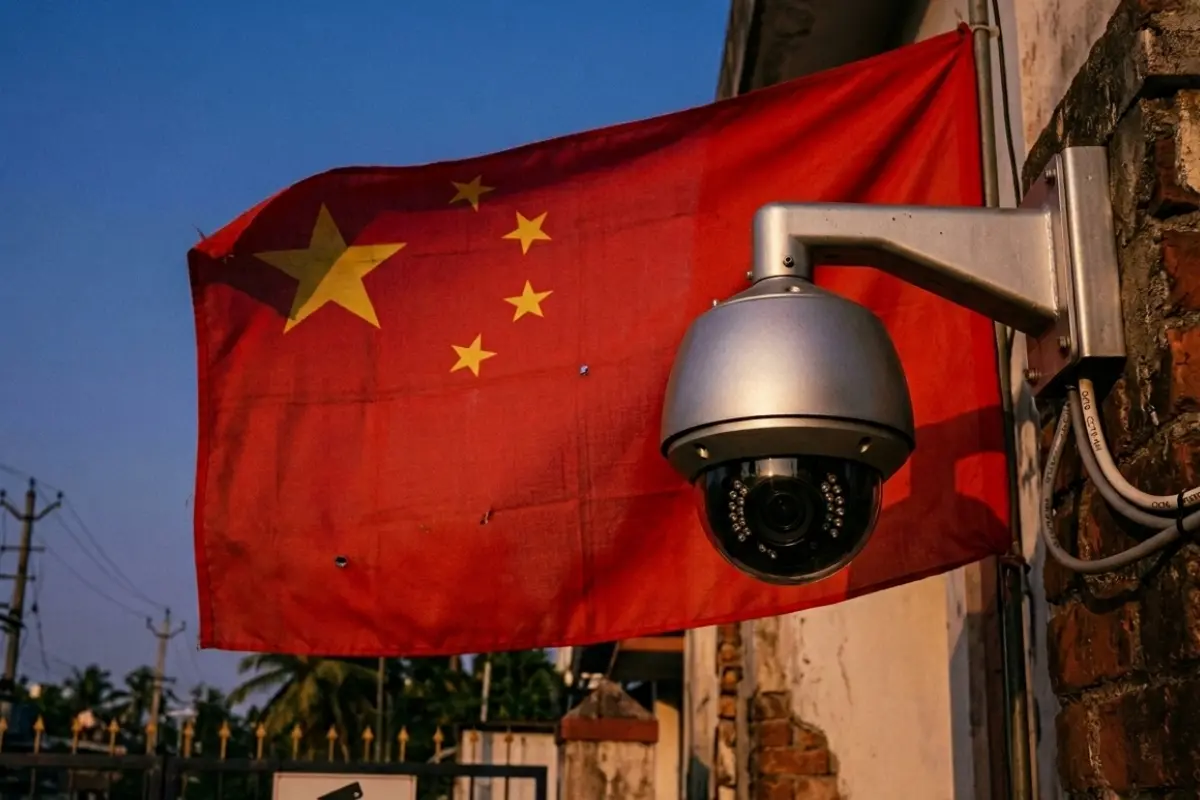
New Delhi: India will effectively shut Chinese surveillance camera manufacturers out of its market from 1 April, when new certification rules bar the sale of internet-connected CCTV cameras that have not cleared the government's security testing regime. The move targets companies including Hikvision, Dahua Technology and TP-Link, and marks one of the most sweeping restrictions India has imposed on Chinese technology firms.
How the Ban Works
The restrictions stem from essential requirements norms introduced by the Ministry of Electronics and Information Technology (MeitY) in April 2024, which gave the industry a two-year transition period to certify products under the government's Standardisation Testing and Quality Certification (STQC) regime. Under the rules, manufacturers must disclose the country of origin of critical components, such as the System-on-Chip and submit devices for testing at accredited labs for vulnerabilities that could allow unauthorised remote access.
Industry executives told The Economic Times that the government is explicitly refusing to certify products made by Chinese companies and those using Chinese chipsets, effectively shutting them out of the market. So far, 507 CCTV camera models have received certification — but none from the major Chinese manufacturers. A sales relaxation that had allowed pre-existing stock of non-certified cameras to be sold will also be withdrawn from 1 April, meaning uncertified cameras can no longer be sold at all.
Market Reshaped in Favour of Indian Firms
Chinese brands accounted for roughly one-third of all CCTV sales in India until last year. That balance has shifted dramatically. As of February, Indian players control more than 80 per cent of the market, according to Counterpoint Research. CP Plus, owned by Aditya Infotech, has surged to a 45–50 per cent market share, up from 20–25 per cent before the regulations were notified, according to CP Plus director Anup Nair. Other domestic brands, including Qubo, Prama, Matrix and Sparsh have also expanded, shifting their supply chains to Taiwanese chipsets and localised firmware.
The transition has not been without cost. Analysts said the shift away from Chinese suppliers has led to a 15–20 per cent jump in the bill of materials for CCTV cameras. Global supply shortages in memory and processors are adding further pressure on manufacturers.
Part of a Global Trend
India's crackdown mirrors similar actions elsewhere. The United States banned sales of Hikvision and Dahua equipment in 2022, citing national security risks, while the United Kingdom and Australia have also placed curbs on Chinese-made surveillance systems. India's concerns were amplified after a 2021 parliamentary disclosure revealed that over one million cameras installed in Indian government institutions were from Chinese manufacturers, raising fears of sensitive video data being routed to foreign servers. "A massive factory built to produce two million Hikvision cameras per month was denied certification because it manufactured Chinese products," Nair told The Economic Times, adding that Hikvision had to form a joint venture with an Indian company and overhaul its supply chain just to remain in the country.