Google Maps is 20 years old: How local guides are redefining future of local search
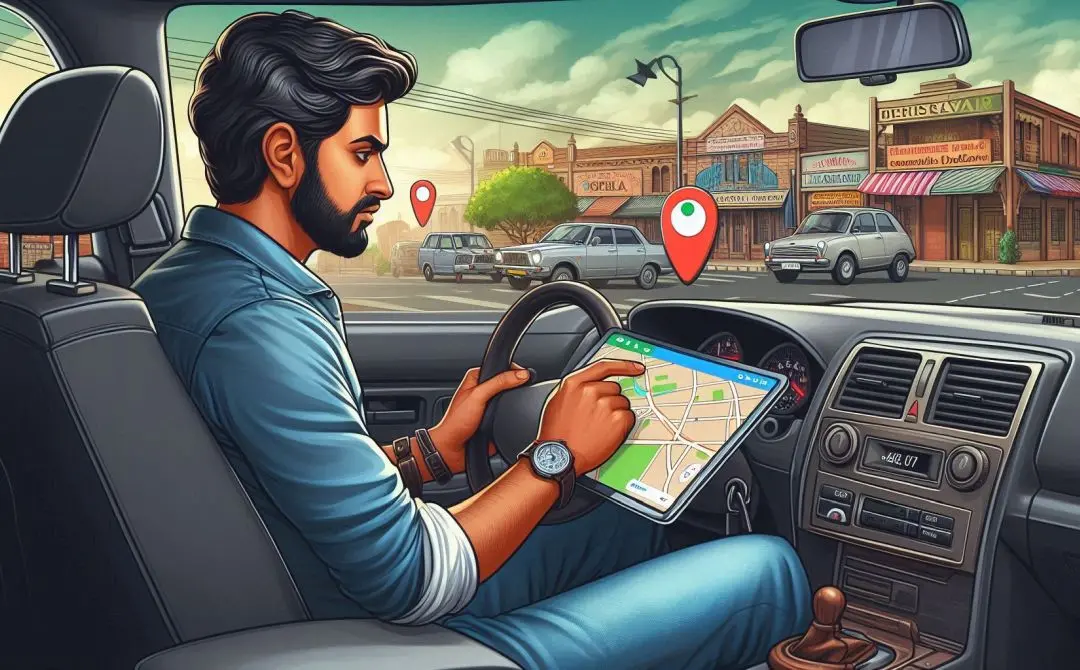
In today's digital world, where convenience is paramount and information is at our fingertips, Google Maps is an irreplaceable asset. This year, Google Maps is turning 20, a milestone that represents two decades of changing the face of navigation, exploration, and local business discovery. But a celebration is not just in store for Google Maps—Google's Local Guides program is also turning 10, a decade of user contributions that have enriched the platform in profound ways.
Local Guides are the unsung heroes of Google Maps, playing a crucial role in keeping business information accurate, providing valuable insights, and sharing real-life experiences that help millions of users make informed decisions. As someone who has been a part of this program for years and has now reached Level 9, I’ve witnessed firsthand the impact of community-driven content on the platform.
The Local Guides program is meant to motivate users to contribute to Google Maps by writing reviews, posting photos, verifying facts, and adding or editing business listings. It is easy to become a Local Guide, but the effect of doing so is immense. With minimal contributions, anyone can begin earning points and unlocking benefits, all while contributing to making information on Google Maps more accurate and reliable. This project not only enhances the user experience but also helps businesses to sustain a reputable online presence.
There's no doubt that local search is more crucial than ever. Numbers support this change, with 46% of all Google searches exhibiting a local intent. When the consumer is on the lookout for a restaurant, a store, or a provider of a particular service, more often than not, he/she is in his/her vicinity seeking it out. Therefore, having precise and relevant local data for both consumers and businesses is extremely important.
Meanwhile, the use of user-generated content (UGC) also grows in value. People increasingly rely on actual user experiences to influence their buying decisions, and prefer recommendations from peers to customary advertising. Indeed, a study made by Salesforce back in 2016 already indicated the influence of UGC, as it was observed that it caused a 90% increase in time spent on a website, a 50% increase in engagement levels, and a 10% rise in conversions.
By 2020, BazaarVoice's Shopper Experience Index reported that brands were actively using UGC to foster trust and engagement. The report highlighted that consumers were hijacking product pages, substituting marketing materials with peer-generated content like reviews, ratings, and customer-uploaded photos. This movement represents a seismic shift in the way people engage with brands and make buying decisions.
The trust element cannot be overemphasized. Research indicates that individuals naturally trust individuals more than they trust advertisements. This is especially the case with Millennials and Gen Z shoppers, who are extremely cynical towards brand-created content. Indeed, 84% of Millennials define themselves as being distrustful of conventional marketing, which means personal endorsements—either from friends and family or online critics—are given greater credence in their buying process.
The BazaarVoice Experience Index also shows that customers who interact with reviews drive 159% more business to companies than those who do not. In the travel sector, for instance, a mere 10% improvement in user reviews is associated with a 5% boost in bookings. These numbers illustrate the strength of user-generated content to drive buying decisions across sectors.
Year after year, the data verifies this trend. Surveys consistently indicate that more than 80% of consumers depend on reviews online to evaluate local businesses. Additionally, 89% of people aged between 35-54 trust online opinions just as much as they do word-of-mouth recommendations. This behavior pattern illustrates why sites such as Google Maps and applications like Local Guides are more important than ever before.
Local Guides help shape this changing environment by offering genuine, firsthand information that makes it easier for users to navigate around them. Through sharing genuine feedback, posting pictures, and confirming business information, Local Guides keep Google Maps updated as an accurate and credible source of data. Not only do their efforts help common users make the right decisions, but they also help local enterprises by enabling them to stay visible and credible online.
As a Level 9 Local Guide, I have felt the fulfilment of seeing that my contributions count. It could be the addition of a new café just opened, a correction of the outdated business hours, or even a review calling out great service. Each and every contribution contributes to the greater knowledge base of the platform. Additionally, the gamification nature of the Local Guides program, where users collect points, badges, and the occasional perks, makes the process fun and rewarding.
In a world where digital interactions increasingly shape real-world experiences, the significance of user-generated content cannot be ignored. Google Local Guides, once a niche community of enthusiastic contributors, have become integral to the broader online ecosystem, shaping the way consumers find and interact with businesses.
As Google Maps turns 20 years old and Local Guides turns 10, it's clear that the strength of community content is greater than ever. The combined efforts of Local Guides numbering in the millions have turned Google Maps into something greater than a navigation aid—it's now a living, user-generated platform that brings people, businesses, and experiences together in meaningful ways. And as the online environment keeps changing, one thing is certain: humans trust humans, and the force of shared experience will keep building the future of local search.