First-ever micro-drone footage reveals gaping hole, ‘fuel icicles’ inside Fukushima reactor
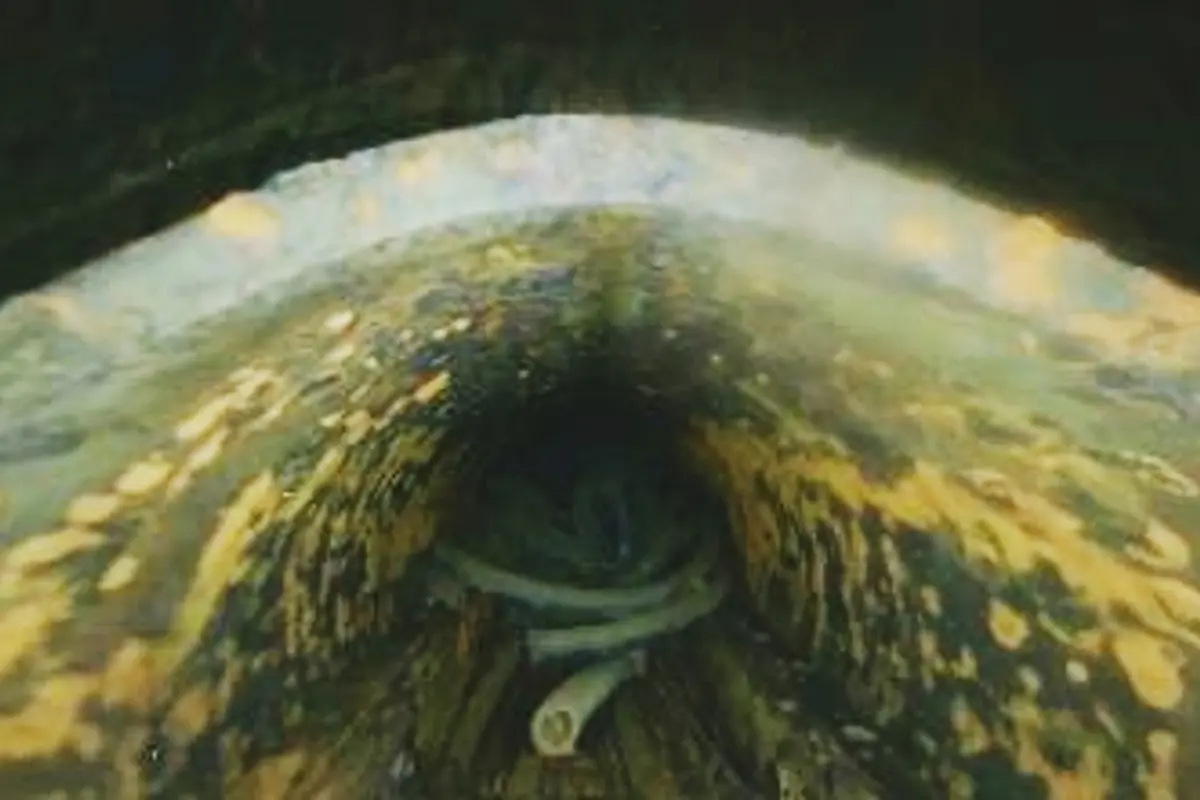
Tiny drones deployed inside one of the damaged reactors at Japan's Fukushima Daiichi nuclear power plant have captured the first-ever view of the bottom of the Unit 3 pressure vessel, revealing a gaping hole in the thick-walled steel container and lumps of what is believed to be melted nuclear fuel hanging from it like giant icicles.
The footage, released Thursday by Tokyo Electric Power Company Holdings, marks a milestone in understanding the aftermath of the March 2011 earthquake and tsunami that triggered meltdowns at three of the plant's reactors 15 years ago.
Micro-Drones Navigate a Radioactive Maze
The rare images were recorded by micro-drones measuring just 12 by 13 centimetres and weighing 95 grams each, deployed on a two-week mission that began March 5 to gather visual, radiation, and structural data from inside the Unit 3 reactor. Flying one at a time, the remote-controlled drones carefully manoeuvred around broken equipment and debris to reach the primary containment chamber and the bottom of the pressure vessel.
The footage showed ruptured tubes and damaged structures that were once enclosed within the vessel, along with brown and grey objects hanging from the breach. TEPCO spokesperson Masaki Kuwajima confirmed the hole and said the hanging objects, lumps, and deposits are believed to be melted fuel debris.
An 880-Ton Challenge That Could Take Decades
The three damaged reactors at Fukushima Daiichi still contain at least 880 tons of melted fuel debris, with radiation levels that remain dangerously high. While TEPCO successfully extracted small melted fuel samples from the Unit 2 reactor last year, the internal conditions of the reactors remain largely unknown.
The drones also collected radiation measurements and data to produce a detailed three-dimensional map of the reactor's interior. "We have obtained valuable data that can be used for our future internal investigations and to develop melted fuel debris removal strategy," Kuwajima said. TEPCO plans additional remote-controlled probes and sampling to analyse the melted fuel and develop robots for eventual debris removal — a process experts say could take decades more.
The latest mission came nearly a decade after an earlier underwater robot probe provided a less clear picture of the Unit 3 reactor's interior.