Can a chatbot replace your therapist? Therabot sparks debate
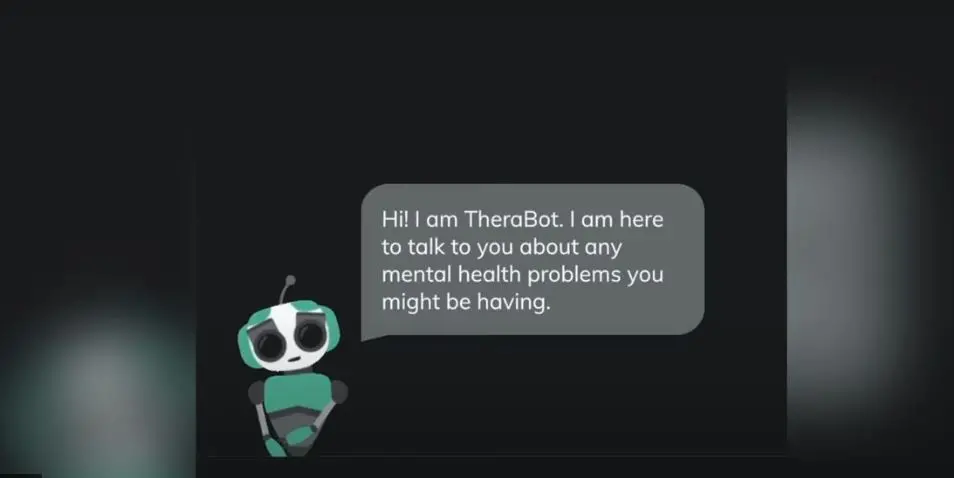
In a groundbreaking clinical trial, researchers at Dartmouth College in the United States have found that an AI chatbot named Therabot may be capable of delivering mental health support comparable to traditional therapy. The results, published on March 27 in NEJM AI, mark the first-ever clinical trial testing the effectiveness of a generative AI-powered psychotherapy chatbot.
Developed over five years by experts at Dartmouth’s Center for Technology and Behavioral Health (CTBH), Therabot was designed to provide scalable, evidence-based mental health treatment through a smartphone. During the eight-week trial, 210 participants diagnosed with depression, anxiety, or eating disorders interacted with the chatbot for about six hours in total, which is roughly equivalent to eight therapy sessions.
The outcomes were remarkable. Participants with depression saw their symptoms drop by an average of 51 per cent, those with generalised anxiety experienced a 31 per cent reduction, and individuals at risk for eating disorders reported a 19 per cent decrease in body image and weight concerns. These improvements were comparable to the effects of gold-standard cognitive therapy but without the long waitlists or the need for in-person appointments.
“The improvements in symptoms we observed were comparable to what is reported for traditional outpatient therapy, suggesting this AI-assisted approach may offer clinically meaningful benefits,” says Nicholas Jacobson, the study’s senior author and an associate professor of biomedical data science and psychiatry.
“There is no replacement for in-person care, but there are nowhere near enough providers to go around,” Jacobson says. For every available provider in the United States, there’s an average of 1,600 patients with depression or anxiety alone, he says.
“We would like to see generative AI help provide mental health support to the huge number of people outside the in-person care system. I see the potential for person-to-person and software-based therapy to work together,” says Jacobson, who is the director of the treatment development and evaluation core at Dartmouth’s Center for Technology and Behavioral Health. Therabot’s development involved close consultation with psychologists and psychiatrists to build safety protocols and tailor responses to users’ emotional needs. Participants could initiate conversations or respond to prompts from the bot, which drew on best therapy practices to provide personalised feedback and support.
(Compiled by Vismaya Vijayan)