19-minute viral video row: Season 5 claims and the new cyber trap behind them
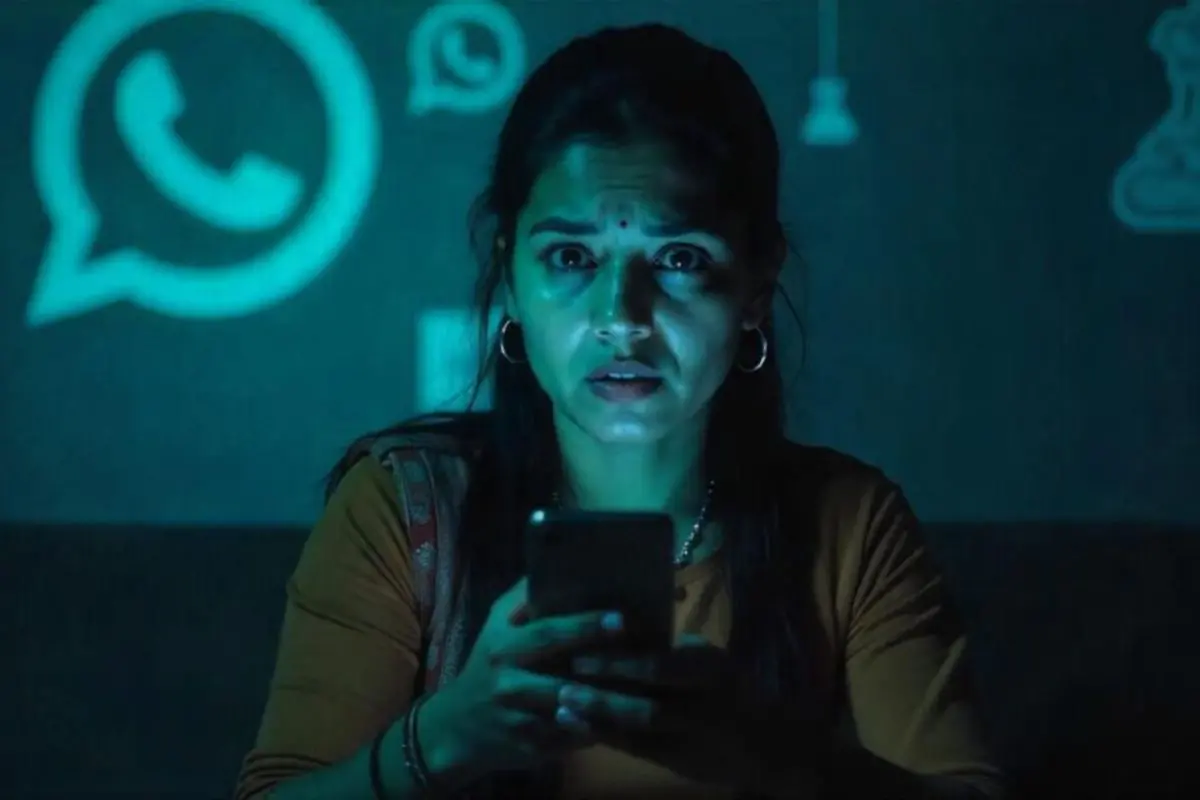
What began as a single leaked clip has now snowballed into one of the most misleading viral narratives on Indian social media.
Earlier this month, a 19-minute MMS video, allegedly involving Bengali YouTuber Sofik SK and his girlfriend Dustu Sonali, surfaced online, triggering massive circulation across Telegram groups, Instagram pages and YouTube shorts. As the clip gained traction, fragmented excerpts began floating with claims of a so-called “full version”.
Soon after, the controversy widened. Payal Dhare, popularly known as Payal Gaming, found herself dragged into the storm when an alleged private video attributed to her began circulating. Despite repeated assertions that the clip was fabricated, the damage to reputation was swift and widespread.
The rumours didn’t stop there. In the weeks that followed, social media was flooded with sensational claims of a “Season 5” — a 50-minute version featuring a ‘new girl’, supposedly linked to the original 19-minute MMS.
These posts were aggressively promoted through obscure Instagram handles and newly created YouTube channels, racking up lakhs of views in days. However, there is no Season 5.
Cyber experts who examined the circulating clips have categorically stated that the videos are AI-generated deepfakes. According to them, the manipulated footage shows the same male figure across multiple clips, while the female face appears digitally swapped — a classic sign of AI-based face morphing.
Unnatural facial expressions, mismatched lip sync and inconsistent lighting further expose the fabrication.
The fallout has been severe.
Influencers like Sweet Zannat (Sweet Jannat) were falsely identified as participants in the viral MMS before investigators established that the content linked to her was entirely AI-generated. Similar misinformation previously targeted Anjali Arora, whose morphed video haunted her long after it was debunked.
Authorities now warn that the ‘50-minute full video’ narrative is not just fake — it’s dangerous.
Cybercrime officials say scammers are weaponising the controversy to lure users into clicking malicious links promising access to “exclusive” or “uncensored” footage. These links often lead to device hacking, data theft and, in some cases, direct financial fraud involving bank credentials and passwords.
Officials have urged users to avoid searching, sharing or clicking on any links related to the alleged videos, stressing that forwarding such content only amplifies harm and misinformation.
What the 19-minute viral video controversy ultimately reveals is not just the dark side of virality, but how AI deepfakes and digital scams are converging, leaving real people to deal with real consequences.