No safety net: Why the 2026 Hockey World Cup format is a nightmare for heavyweights
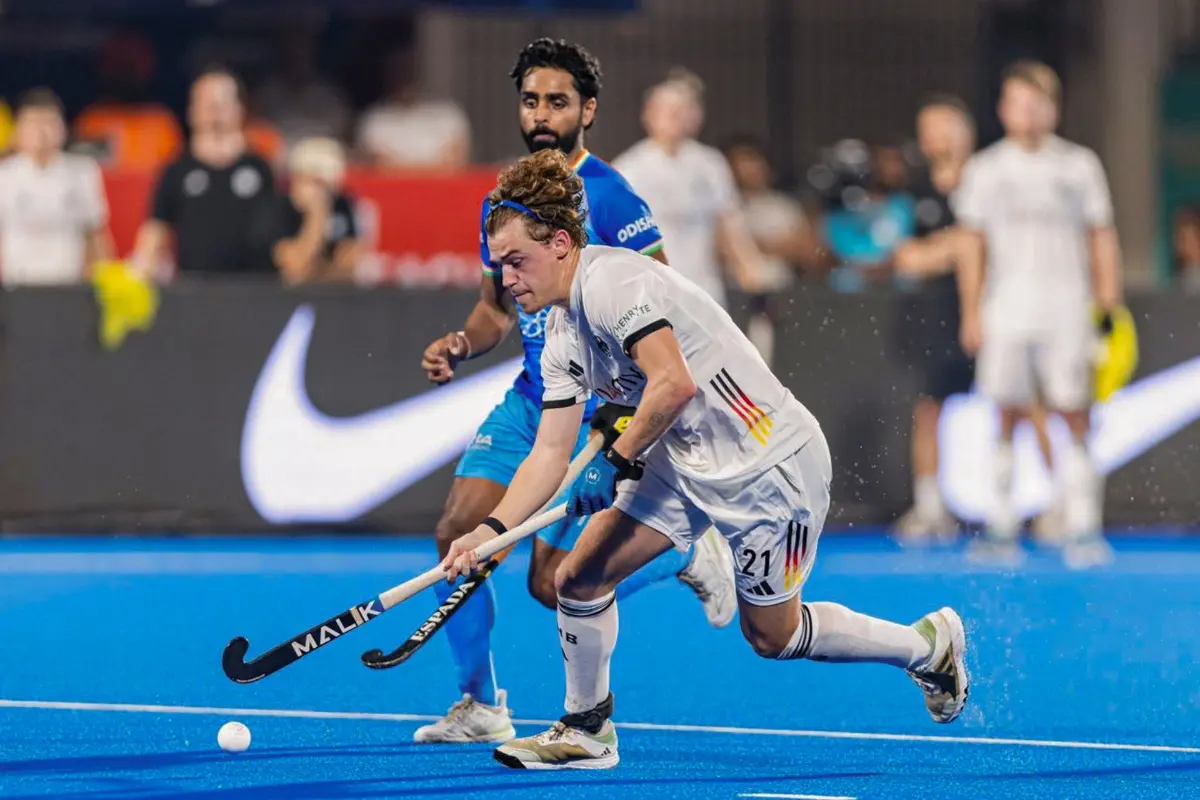
For decades, hockey heavyweights could rely on a familiar safety net: start a tournament slowly, peak by the knockout stages, and rely on pedigree to survive the quarterfinals. For the 2026 FIH Hockey World Cup, jointly hosted by Belgium and the Netherlands, that luxury has been unequivocally abolished.
The Death of the Quarter-Final
In a radical structural overhaul, the International Hockey Federation (FIH) has scrapped the traditional quarterfinal stage in favour of a ruthless double-group format. The 16 teams will initially be divided into four groups (Pools A-D), with the top two progressing to the championship "Crossover Pools"—Pools E and F. Meanwhile, the bottom two teams are relegated to classification Pools G and H. From Pools E and F, only the top two teams will advance directly to the semifinals.
ALSO READ: No Indian Umpires at FIH Hockey World Cup for First Time in Decades
The Deadly Carry-Over Rule
The true danger for the sport's superpowers lies in the FIH's new "carry-over" rule. When two teams advance from the same opening pool, their head-to-head result is carried forward into the crossover standings.
This seemingly minor administrative detail fundamentally alters the psychology of the tournament. In previous editions, a shock early defeat to an underdog was an embarrassment that could be rectified in the knockout rounds. In 2026, an early loss against a fellow qualifier carries over as a zero-point deficit into Pool E or F. With only two semifinal tickets available per crossover pool, starting the second phase with zero points against elite competition is practically a death sentence for a title defence.
"The emphasis on the pool games is really, really important, because it's obviously the top two that go through," noted India men's coach Craig Fulton, highlighting that carrying three points into the next round puts a team "in the driving seat". Fulton also emphasised that in the event of a tie, goal difference in the opening stage could be the ultimate decider.
By removing the quarterfinal, the FIH has engineered a format where every opening match functions with knockout-level intensity. For traditional slow-starting heavyweights, there is nowhere to hide; a single off-day in the first week will no longer just complicate the route to the trophy—it will likely destroy it entirely.