Beyond 90 minutes: Will Spain and Portugal head to penalties again?
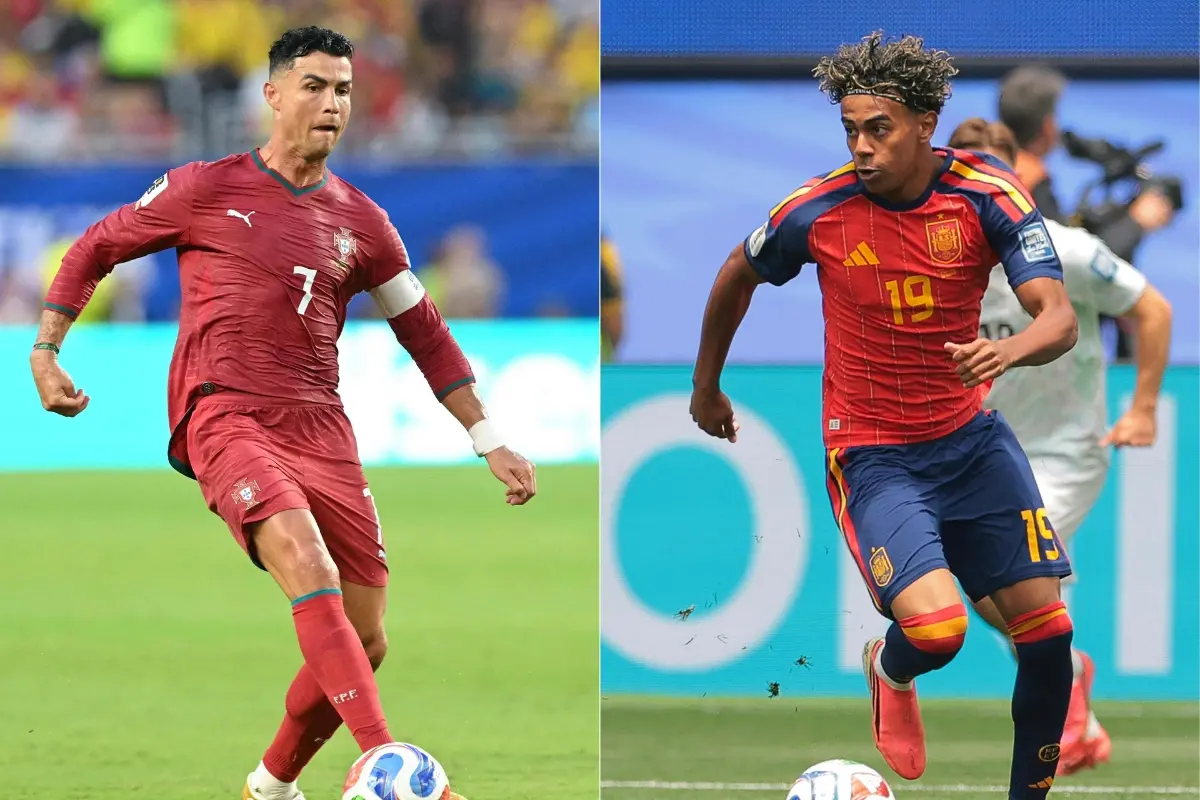
Arlington: As Portugal and Spain prepare to renew their historic rivalry in the Round of 16 of the 2026 FIFA World Cup at Dallas Stadium, the weight of history hangs heavy over the fixture. For two nations separated by geography but defined by their footballing clashes, the "Iberian Derby" has evolved into a masterclass in stalemate.
A Rivalry of Deadlocks
History dictates that this encounter is destined for more than just 90 minutes. The two nations have faced off 41 times in their history, with an astonishing 18 of those meetings ending in a draw. This propensity for parity has become a psychological hallmark of the fixture, leaving players on both sides intimately familiar with the prospect of extra time and the cold, clinical finality of penalty shootouts.
The most recent chapter of this drama was written in the 2025 UEFA Nations League Final. In a contest that gripped the continent, the two sides finished locked at 2–2 after extra time at the Allianz Arena. Portugal eventually triumphed 5–3 on penalties, a victory that saw them lift the trophy while further cementing the narrative that these teams are often inseparable over the course of regulation play.
The Psychological Toll
For the squads arriving in Texas, this statistical trend is impossible to ignore. Knowing that a standard win is a relative rarity creates a unique mental burden. Professional footballers are trained to chase victory from the opening whistle, but against an opponent that mirrors their tactical discipline and intensity, the awareness that the game might only truly begin after 90 minutes can change the entire complexion of their approach.
Spain, under Luis de la Fuente, has refined their possession-based dominance, while Portugal continues to rely on a blend of tactical pragmatism and individual brilliance. Yet, when they meet, these distinct philosophies often cancel each other out. The fixture's deep-rooted history—dating back over a century to their first meeting in 1921—suggests that caution, rather than abandon, is the natural reaction when these two giants collide.