World Cup shock: Why did the Adidas Trionda match ball burst during Netherlands vs Sweden?
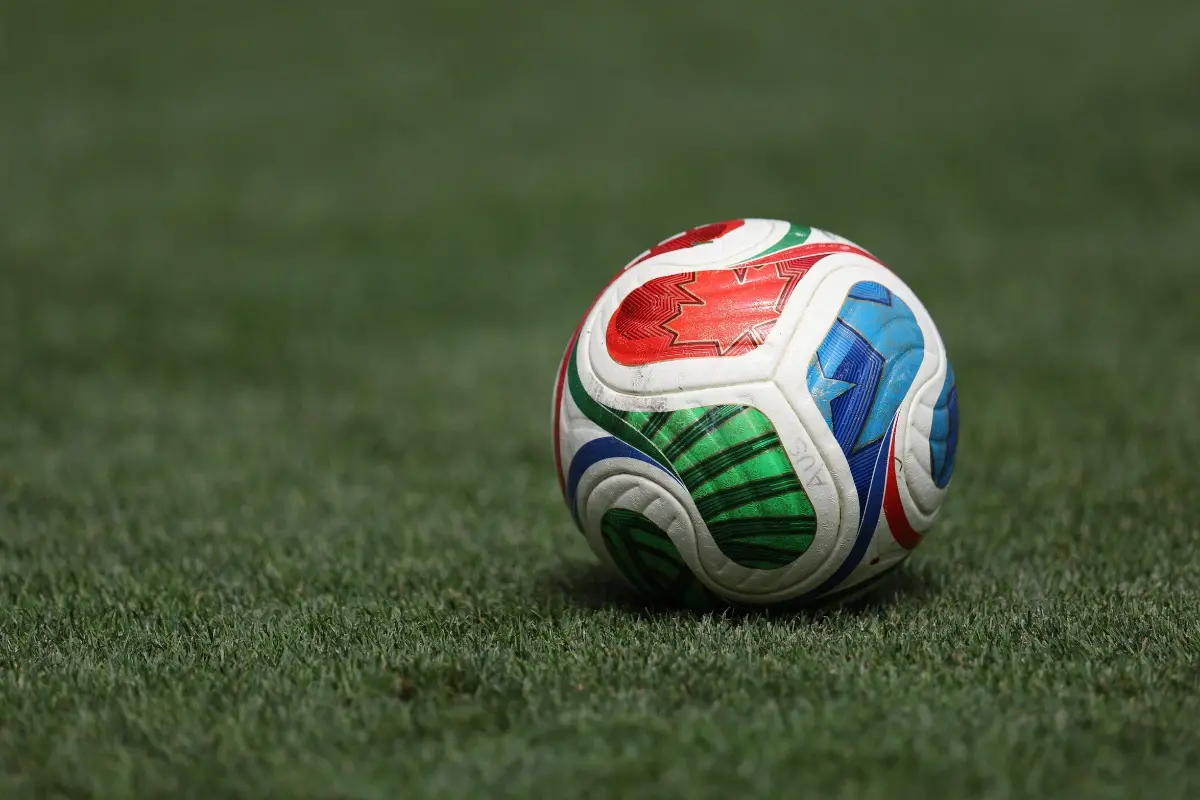
Houston: A bizarre technical malfunction briefly overshadowed the Netherlands' dominant 4-1 play over Sweden on Saturday, as the high-tech official FIFA World Cup match ball completely burst on the pitch during the first half.
The incident occurred in the 16th minute of play at the Houston Stadium. Following an aggressive sequence of play, the official tournament ball suddenly lost its structural air pressure and became entirely deflated, forcing the match referee to halt the game and quickly call for an immediate replacement.
ALSO READ: Netherlands thrash Sweden 5-1 in World Cup masterclass
The unexpected failure of the equipment sparked immediate discussion among spectators and sports historians alike. In a message sent to The Guardian's live match coverage, football archivist John Hubbard noted that this represented at least the third match ball that has burst or rapidly deflated during the opening weeks of the 2026 World Cup tournament. Hubbard remarked that, having watched global finals extensively since 1966, he could not recall any previous tournament seeing multiple structural ball failures of this nature.
The recurring issue has put a sudden spotlight on the tournament's newly designed equipment. The official 2026 match ball, engineered by Adidas and named the "Trionda", features an intricate four-panel design manufactured by Forward Sports in Pakistan. The state-of-the-art ball is deeply integrated with a highly sophisticated internal suspension system that houses a motion tracking sensor transmitting spatial data 500 times per second directly to FIFA's semi-automated officiating systems.
Prior to the 16th-minute deflation, there had already been brewing locker-room chatter regarding the performance of the Trionda. Commentary from The Guardian highlighted that several teams had subtly complained about the aerodynamic properties of the ball, with players suggesting that its lightweight, thermally bonded exterior caused the ball to swerve unpredictably through the air, occasionally eluding goalkeepers.
The brief ball-bursting mystery did nothing to disrupt the concentration of Ronald Koeman's side, who utterly edged the Swedish defence.
Striker Brian Brobbey gave the Dutch a dream start by scoring twice within the first 17 minutes, with his second goal arriving immediately after the burst ball was replaced.
In the second half, Cody Gakpo extended the lead further by firing home a quick-fire brace in the 47th and 54th minutes.
Anthony Elanga from Sweden scored a goal for Graham Potter's team in the 58th minute after a series of tactical substitutions. However, the match concluded with Crysencio Summerville adding the final goal, resulting in a decisive 5-1 victory for the Oranje. This win helped them rise in the Group F standings.