Did a camera cable affect Bellingham’s goal? FIFA responds after England-Norway match controversy
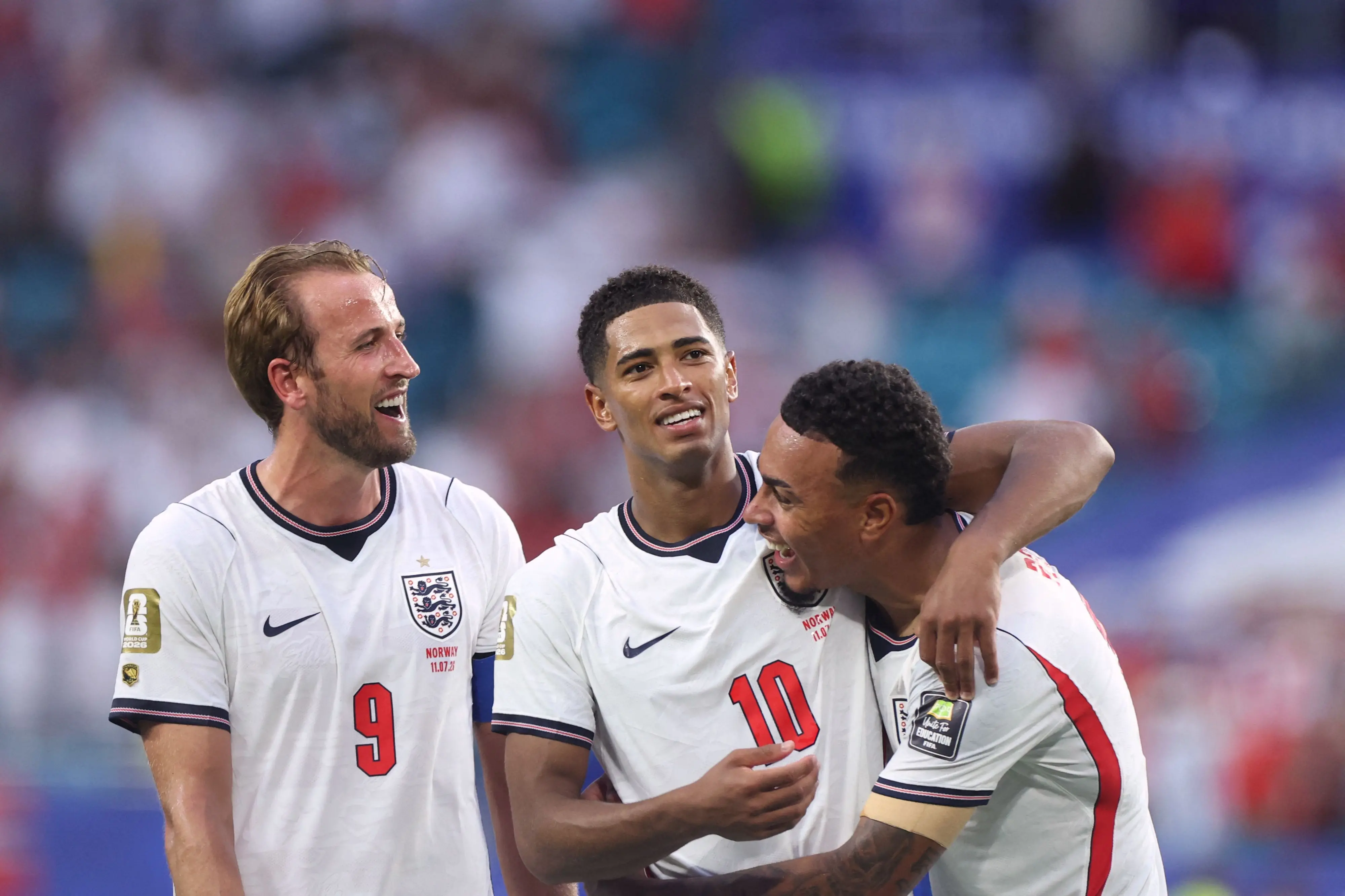
FIFA said there was “no evidence” that the ball struck an overhead camera cable before Jude Bellingham scored England’s equaliser in their World Cup quarterfinal victory over Norway on Sunday.
The incident occurred late in the first half when a goal kick from Norway goalkeeper Orjan Nyland appeared to change direction after travelling through the air. The ball was then recovered by England, leading to Bellingham’s low finish into the far corner.
England went on to beat Norway 2-1 after extra time, but the moment sparked questions over whether play should have been stopped.
Under the laws of the game, if the ball had been confirmed to have hit the cable, play would have been halted and restarted with a dropped ball.
FIFA later said its technology showed no contact between the ball and the wire.
“Before England’s goal ... the sensor in the Connected Ball showed no peak in the ‘heartbeat of the ball’ when in the air, and therefore no evidence that the ball touched the overhead wire and changed the movement of the ball,” FIFA said.
It remains unclear when FIFA reviewed the data or whether video assistant referee Jerome Brisard checked the incident during the match.
Nyland’s goal kick started the controversial sequence, with England taking control shortly after the ball’s apparent change in flight. The move eventually ended with Bellingham beating the goalkeeper with a low strike towards the far post.
Nyland reacted angrily after conceding, hitting the turf in frustration. He, Norway forward Erling Haaland and coach Stale Solbakken also questioned French referee Clement Turpin during the break.
Brisard was also involved as VAR during Argentina’s quarterfinal against Egypt, a match that saw controversy after Egypt had a goal ruled out following a review.