What is Article 27? The FIFA disciplinary code loophole that saved Folarin Balogun
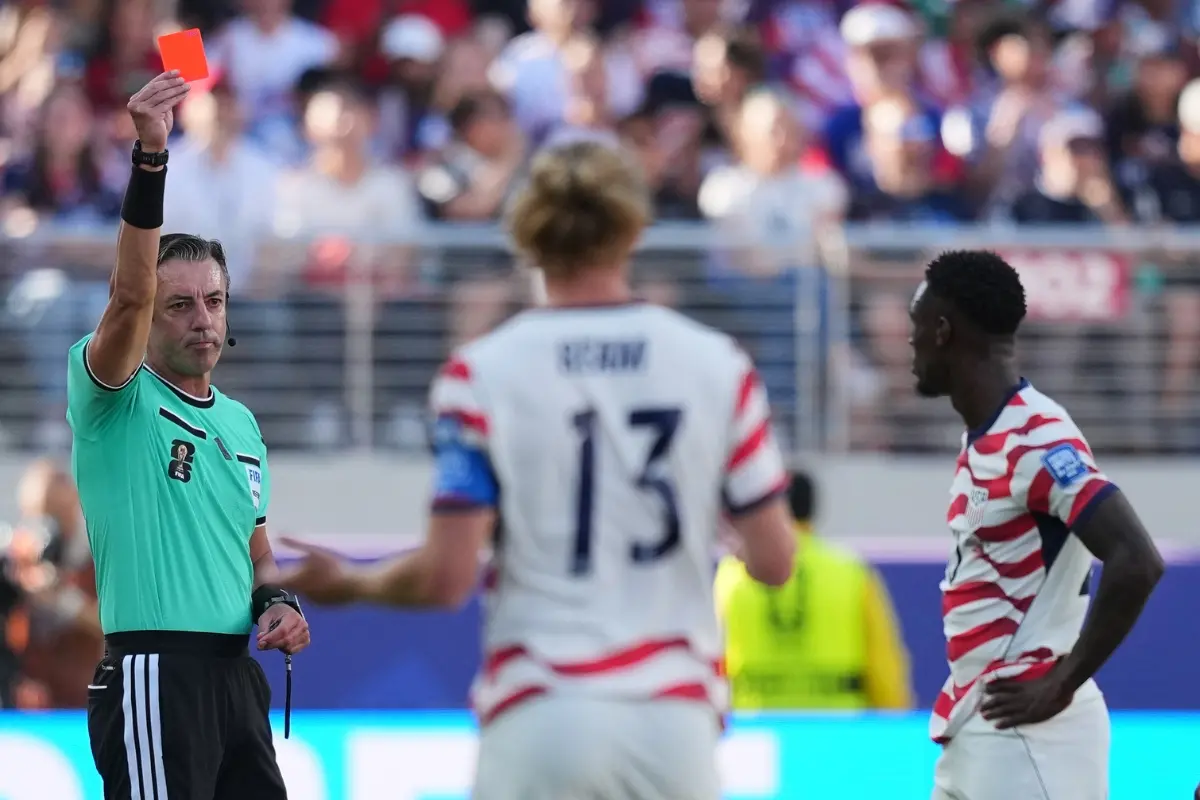
Seattle: In an unprecedented twist that has sent shockwaves through the 2026 FIFA World Cup, United States striker Folarin Balogun is officially cleared to feature in the Round of 16 showdown against Belgium. The decision follows a controversial red card incident in the USA's Round of 32 victory over Bosnia and Herzegovina, which initially appeared to rule the tournament’s standout forward out of the high-stakes knockout clash.
The Incident
During the 64th minute of the match against Bosnia, Balogun was shown a straight red card following a VAR review. The referee, Raphael Claus, determined that an awkward challenge on Bosnia’s Tarik Muharemović constituted serious foul play. Under standard FIFA competition regulations, a red card carries an automatic one-match suspension.
However, the situation escalated rapidly over the weekend. According to multiple media reports, the White House engaged in high-level discussions, with US President Donald Trump personally lobbying FIFA President Gianni Infantino to review the decision. President Trump later publicly thanked FIFA for "reversing a great injustice."
ALSO READ: FIFA overturns Balogun's suspension ahead of Belgium tie
The "Article 27" Ruling
FIFA’s Disciplinary Committee intervened by invoking Article 27 of the FIFA Disciplinary Code. In an official statement, FIFA clarified that while the red card remains on Balogun’s record, the implementation of the automatic one-match ban has been suspended for a "probationary period of one year."
This rare application of Article 27 allows FIFA’s judicial bodies to suspend the enforcement of a disciplinary sanction, provided the offence is not related to match manipulation. This mechanism is rarely used for in-tournament red cards, as such decisions are typically final. Under the terms of this probation, should Balogun commit "another infringement of a similar nature and gravity" during the next 12 months, the original one-match ban will be reactivated, alongside any new sanctions.
Previously, Ronaldo was handed a three-match ban for violent conduct after elbowing an opponent during a World Cup qualifier against Ireland. After he served the first game of the ban, FIFA used Article 27 to place him on probation for the remaining two games. This controversial move ensured he was eligible to play in Portugal’s high-stakes opening group matches at the 2026 World Cup.
Political Interventions and Backlash
The reversal followed intense high-level lobbying. According to reports from the Associated Press, US President Donald Trump placed a personal phone call to FIFA President Gianni Infantino to request a formal review of the incident. Following the announcement, President Trump took to Truth Social to write: “Thank you to FIFA for doing what was right, and reversing a great injustice!”
The decision has incited fury from the Belgian camp. Belgium manager Rudi Garcia openly mocked the ruling, quipping to reporters that he “didn’t know that in the offices of FIFA the 5th of July was the 1st of April in Europe.”
The Royal Belgian Football Association has since issued a statement confirming they are investigating all potential legal options to protect what they describe as the “fundamental principles of fair play.”
Meanwhile, USMNT head coach Mauricio Pochettino has defended the outcome, arguing that his side had already been penalised enough by playing with ten men for over 30 minutes during the Bosnia match. With the political drama now firmly intertwined with the football, the US-Belgium tie has become the most contentious fixture of the tournament.