The extra time addicts: Why Argentina can’t avoid drama
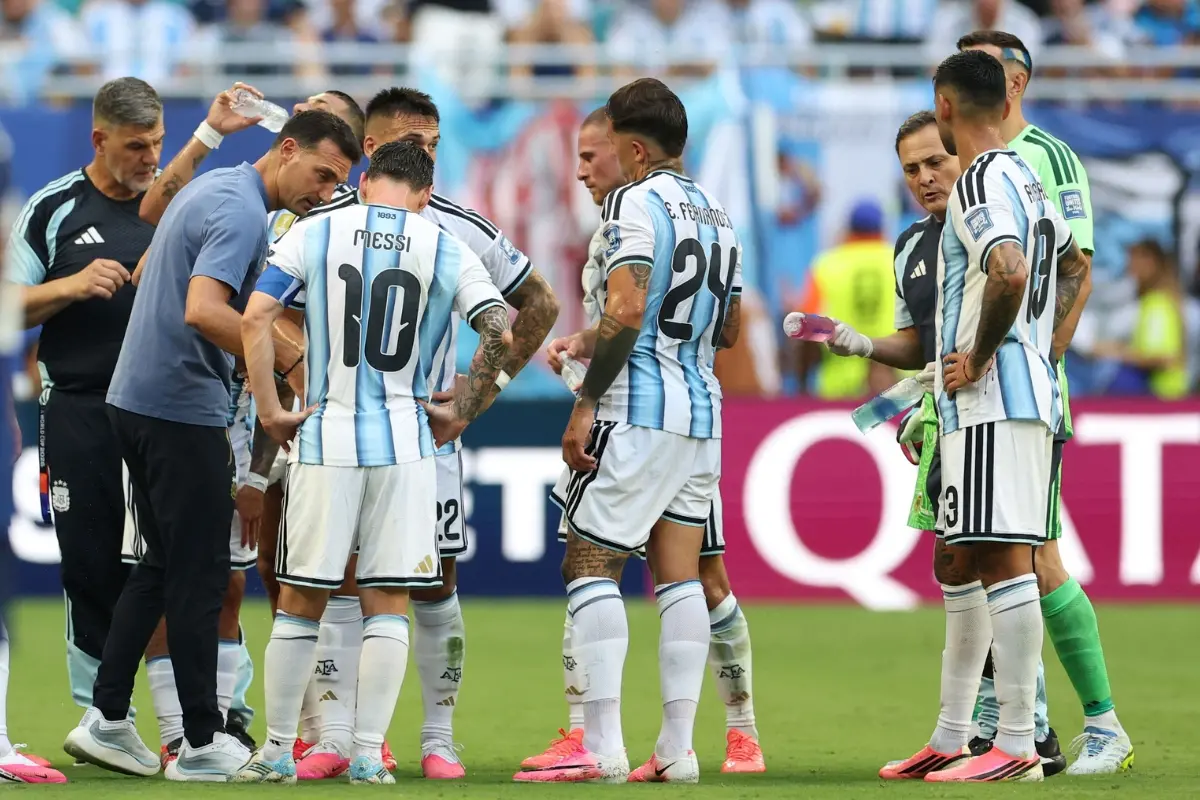
Miami: Argentina’s path to the Round of 16 at the 2026 FIFA World Cup has once again highlighted a peculiar, stress-inducing hallmark of Lionel Scaloni’s tenure: an uncanny inability to avoid extra-time marathons. Following a 3-2 victory over Cape Verde in Miami, Argentina has officially pushed its record to 12 matches requiring extra time in World Cup history, a staggering figure that underlines a recurring struggle to kill off games against lower-ranked opposition.
The encounter against Cape Verde—ranked 64th by FIFA—mirrored a familiar narrative. After Lionel Messi opened the scoring, Argentina’s intensity visibly weakened. This passivity allowed the "Blue Sharks" to grow in confidence. Argentina’s reliance on ball possession often lacked verticality, allowing Cape Verde to settle into a compact double defensive line. This structural rigidity, exploited by the likes of Deroy Duarte, whose equaliser stunned the stadium, exposed the Albiceleste's tendency to relax after taking the lead.
The tactical vulnerability was further evident during extra time, when Sidny Lopes Cabral unleashed a spectacular strike to force Argentina into yet another period of uncertainty. While Lisandro Martínez eventually restored the lead and a late own goal by Diney Borges secured the win, the defensive lapses during counter-attacks will undoubtedly be a point of focus for future opponents.
Argentina’s history of "suffering" is well-documented. From the 2014 final to the nail-biting finishes in Qatar 2022, the team has repeatedly found itself in deep waters. It is often argued that the current squad remains overly reliant on moments of individual brilliance from Messi to bail them out of tactical stalemates. By failing to convert early dominance into a comfortable cushion, Scaloni’s side repeatedly invites pressure, turning manageable fixtures into physical and psychological ordeals.
As Argentina prepares for their next challenge against Egypt, the blueprint for their opposition is clear: absorb the initial pressure, maintain a low, disciplined block, and capitalise on the inevitable stretches of Argentinian inactivity. For the reigning champions, extra time is no longer just a statistical anomaly; it is a recurring tactical burden that threatens to derail their title defence should they fail to address these structural vulnerabilities before the quarter-finals.