'Dark chocolate cake for dark boy': Sivaramakrishnan's explosive claims of racism in Indian cricket
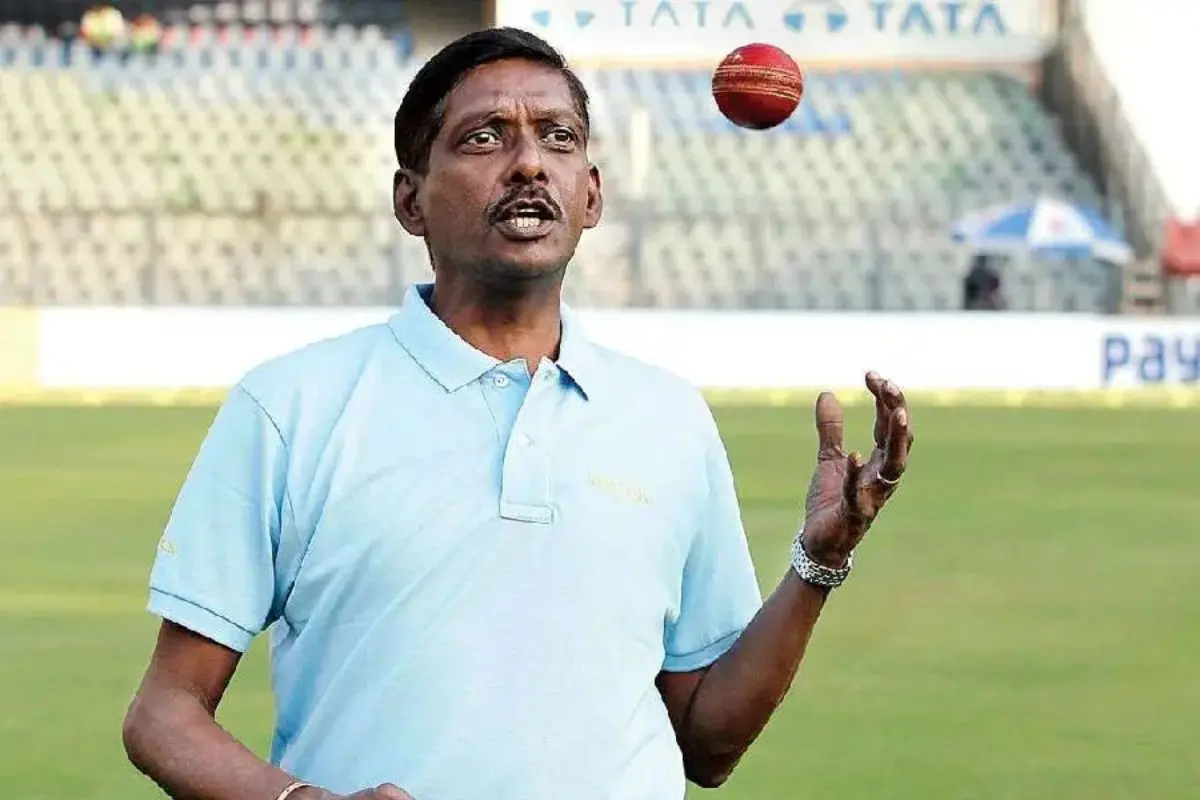
Laxman Sivaramakrishnan was once the golden boy of Indian cricket. A leg-spinner of rare, natural poise, he famously deceived masters of the game like Imran Khan and Saleem Malik while still a teenager. Yet, the career of the man affectionately known as "LS" did not follow the stratospheric trajectory many predicted. While technical or form-related reasons are often cited for his early exit from the international stage, Sivaramakrishnan has now revealed a far more painful narrative.
In a candid interview with The Indian Express, the former India spinner detailed a lifetime of racial discrimination and colour-based prejudice that left mental wounds he is only now beginning to fully confront.
Also read: 'Until you win, you don't receive the same level of respect': LSG owner Sanjiv Goenka
A career shaped by slurs
Sivaramakrishnan’s introduction to the darker side of the sport began at just 14 years old. While serving as a net bowler at Chepauk, a senior Indian international allegedly mistook the uniformed teenager for a member of the ground staff and ordered him to clean his shoes. Recalling the moment, Sivaramakrishnan noted that he stood his ground, informing the veteran that such a task was not his responsibility.
However, the "scars" only deepened as he rose through the ranks. In the Tamil Nadu domestic setup, he was frequently addressed by teammates as "karupa" (dark-skinned). On the national stage, the abuse turned into a public spectacle; when fielding near the boundary in cities like Mumbai or Chandigarh, crowds would often mock his complexion with chants of "Kalia, tera kya hoga" (Blacky, what will happen to you?).
Also read: Spin king Warne’s 18-year-old Royals pact set to earn family Rs 450 crore fortune
Perhaps most heartbreaking was an incident on his 17th birthday. As he prepared to cut a celebratory cake, a senior Indian player reportedly quipped to Sunil Gavaskar that the dark chocolate cake was a perfect match for the "dark boy." Sivaramakrishnan admitted to The Indian Express that he was reduced to tears by the comment, needing Gavaskar to comfort him before he could continue with the celebration.
The mental toll and the UAE crisis
These decades of "low self-esteem," rooted in being dismissed due to the shade of his skin, eventually led to a severe mental health crisis. Sivaramakrishnan described a terrifying period during the IPL in the UAE, amidst the isolation of the Covid-19 lockdowns, where his mental state collapsed.
He confessed that he reached a point where he could no longer bear to look at his own reflection. Struggling with recurring hallucinations and chronic insomnia, he turned to alcohol to numb the pain. The former cricketer revealed that while travelling in Dubai, he often battled impulsive, suicidal thoughts, feeling a desperate urge to jump from moving vehicles.
The prejudice, he claims, even followed him into his 23-year career as a commentator. Sivaramakrishnan alleged that he was consistently denied high-profile roles, such as hosting the toss or post-match presentations. When he questioned a producer about this, he was told that the decision-makers deemed him "not presentable"—a term he believes was a thin veil for further colour discrimination.
Finding solace in the West Indies
Interestingly, Sivaramakrishnan found his greatest sense of belonging far from home. During India’s 1983 tour of the West Indies—where he became India’s youngest Test debutant at the time—he found comfort in the company of legends like Malcolm Marshall and Desmond Haynes.
He recalled feeling a sense of peace in the Caribbean, where his skin colour was the norm rather than a target for ridicule. He specifically remembered a conversation with Gordon Greenidge, who shared his own experiences of facing similar prejudices in England.
Today, Sivaramakrishnan’s testimony serves as a stark reminder that the "gentleman’s game" has long harboured a culture of exclusion. By speaking out, the former leg-spinner highlights the lasting damage that "dressing room banter" and systemic bias can inflict on even the most gifted athletes. (Compiled)