Sanju Samson: The 'Mr. Ambiguous' of Indian Cricket
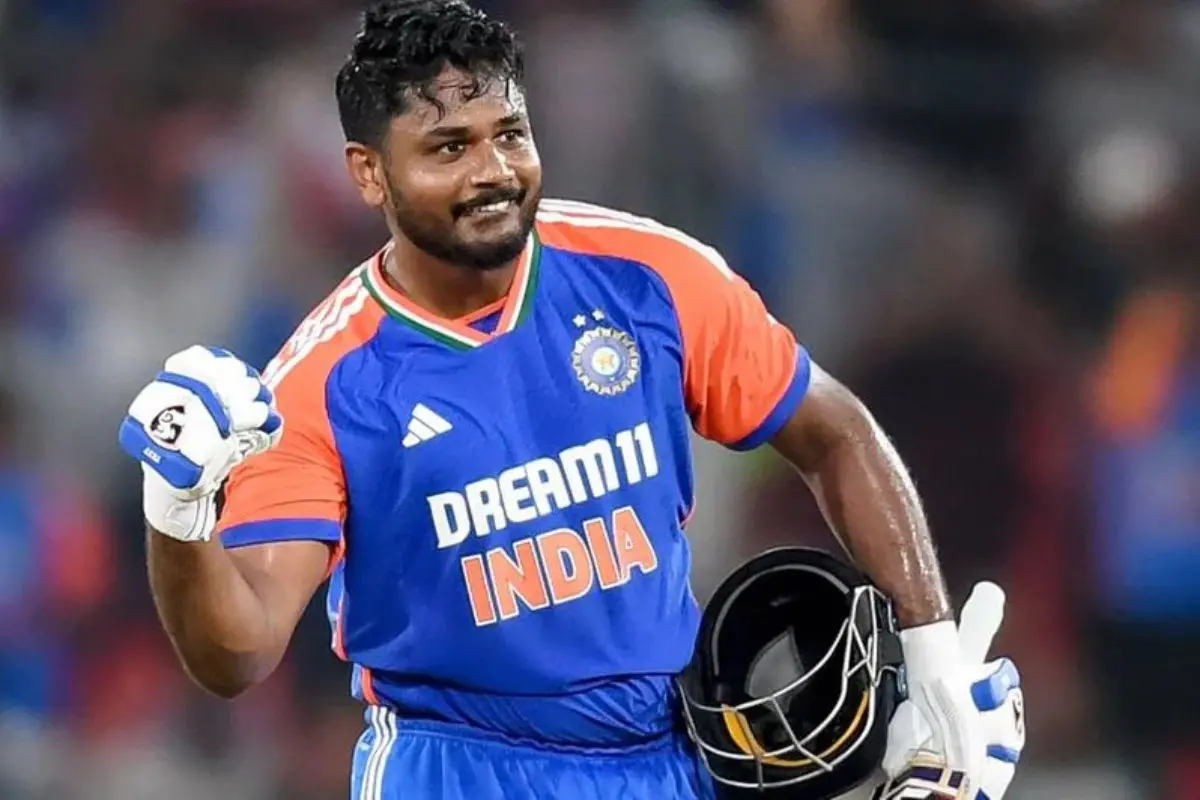
With the ICC Men's Asia Cup set to be played in the UAE next month and India’s squad expected imminently, selection talk has already taken centre stage. The tournament will be played in the T20 format this time, and as reigning world champions, India will begin as favourites. But cricket—like life—is gloriously uncertain. Few Indian cricketers embody that uncertainty more than Sanju Samson, who once again finds himself at a career inflection point.
A rise marked by flashes of brilliance—and pauses
From age‑group cricket in Kerala to IPL stardom and the international stage, Samson’s ascent has been steady, if uneven. After spending India’s T20 World Cup‑winning campaign on the bench, he roared back with a run of impactful knocks—including successive international hundreds in the format—reminding everyone of his ceiling. Yet he still stands at a crossroads: part misfortune, part timing, part the consequences of a fiercely competitive dressing room where roles are razor‑defined.
The selection squeeze: Gill, SKY and the opening debate
India’s biggest selection headache for the Asia Cup may be how, or whether, to reinsert Shubman Gill into a T20 XI that has increasingly valued clarity of roles and high‑tempo intent. Under T20I captain Suryakumar Yadav, the team has leaned into a proactive approach. Over the last stretch of games, an aggressive left‑right opening pair—Abhishek Sharma alongside Samson—has offered powerplay punch and tactical balance.
If Gill is drafted back at the top, the domino effect could land squarely on Samson. One of two things typically happens in such reshuffles: either the in‑form opener slides to the middle order, where his strengths are less maximised, or he slips out of the XI for a specialist finisher or second spinner—all in service of overall balance. It’s harsh arithmetic, but it is the reality of modern T20 selection.
The wicketkeeping value-add
With the gloves, Samson strengthens his case further. He is a clean, athletic keeper and, on current form, has a strong claim to be India’s first-choice gloveman for this Asia Cup. Given that Rishabh Pant is nursing an injury and age is against seasoned KL Rahul. Yet even that advantage meets the squeeze of role specificity. The No. 5/6 slots are high‑stakes and crowded—think Shivam Dube’s finishing, Tilak Varma’s flexibility, and Hardik Pandya’s all‑round insurance. If Gill opens and the side wants an extra bowling option, Samson could again be the one to make way despite offering both runs and mitts.
In that case, Jitesh Sharma — a proven finisher in the middle order in India’s domestic circuit as well as the IPL — could hit the jackpot, suddenly finding himself as the first-choice wicketkeeper for his country.
Fitness and continuity
Selection conversations also skim across fitness. In a format that demands maximal intensity every ball, any recent niggle can tilt a coin toss. Samson has played through knocks before, but the bar for availability and agility is unrelenting at this level.
Franchise future: smoke, mirrors, and tough calls
Samson’s bond with Rajasthan Royals is already IPL folklore—captaincy, match‑winning bursts, and a fanbase that travels loud. Even so, the rumour mill has spun this off‑season: whispers of him exploring a move, talk of other franchises circling, and debates over his preferred batting slot. Reports suggest he wanted more time as an opener, even as Yashasvi Jaiswal and Vaibhav Suryavanshi flourished at the top. Whether these are passing negotiations or the start of a real transition remains to be seen. As for chatter about a rift with Rahul Dravid, that has been publicly refuted; still, once speculation takes root, it tends to linger.
The Kerala angle: pride, pressure, and politics
On the domestic front, Samson’s relationship with the Kerala Cricket Association came under the spotlight after he missed preparatory camps and was left out of the Vijay Hazare Trophy, which supposedly denied the wicketkeeper-batter a spot in India’s Champions Trophy squad, with selectors apparently dissatisfied over his disappearance from the domestic circuit. He was also not part of Kerala’s historic Ranji Trophy campaign, in which they ended up as runners-up this year.
The differences that ensued between Sanju and the KCA triggered debates across the state’s cricketing circles, and matters took an ugly turn after the cricketer’s father, Samson Viswanath, squarely blamed the association for jeopardising his son’s career.
Given Sanju’s stature in Kerala—he moves turnstiles and draws TV audiences—any fissure naturally becomes a public talking point. He will feature in the Kerala Cricket League alongside his brother, Saly Samson, for their team, Kochi Blue Tigers, keeping his local ties active amid the churn.
India’s Asia Cup conundrum
In pure cricketing terms, three plausible pathways exist:
1. Gill opens, Samson adjusts: Samson keeps wickets and slides to No. 5/6, asked to be a tempo‑shifting bridge rather than a tone‑setting opener.
2. Status quo at the top: India backs the left‑right thrust of Abhishek‑Samson for powerplay aggression, with Gill used as strategic cover or rotated through.
3. Balance over duplication: If the XI needs another bowling option or specialist finisher, Samson—despite current form—could be the unlucky omission.
Each route is defensible. Each also underscores how narrow the margins are at the sharp end of India’s T20 setup.
The bottom line
Sanju Samson’s case is compelling because it blends skill with structural value: dynamic batting, tidy keeping, leadership experience, and a proven ability to seize moments. Yet he also operates in a system that prizes role clarity above reputation. That tension—and how the selectors resolve it—may define the next chapter of his career.
Crossroads don’t last forever. For Samson, the Asia Cup could also be the turn that finally becomes a straight road.