Pakistan WC storm: Salman Ali Agha criticised, wife trolled; Anushka Sharma comparison resurfaces
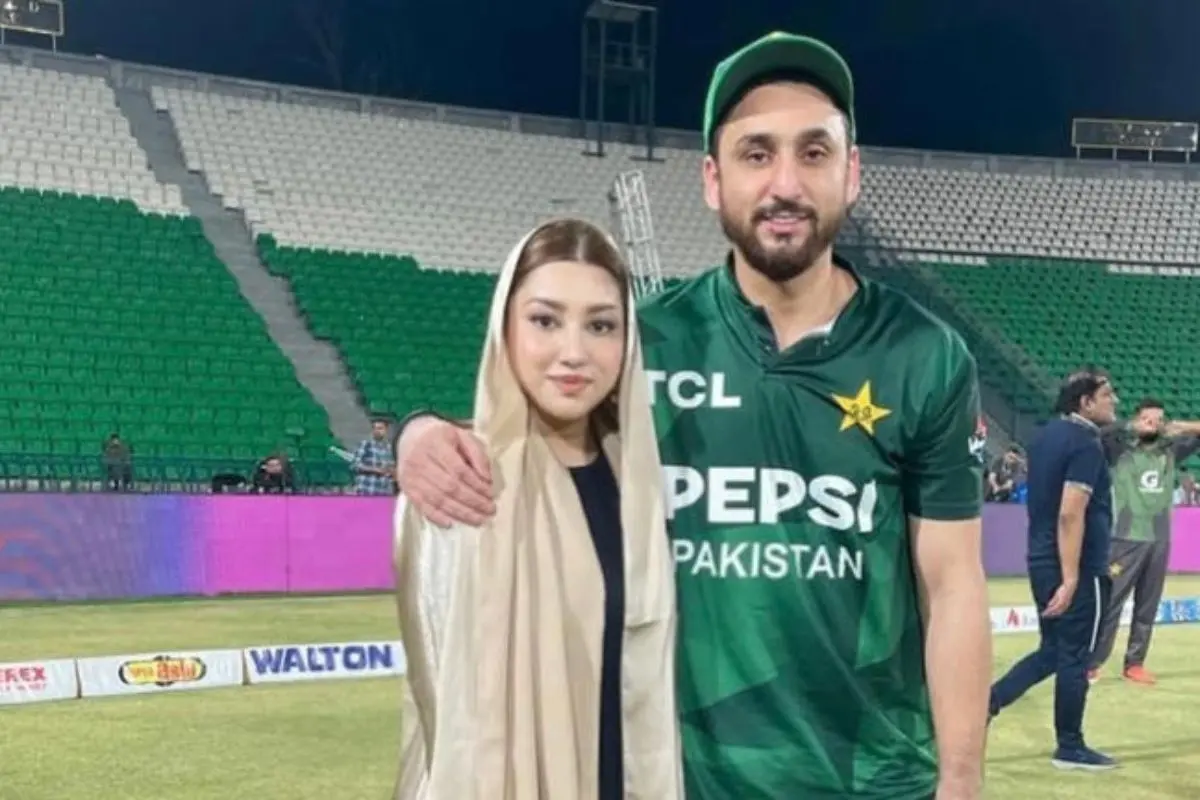
Pakistan’s campaign at the ICC Men’s T20 World Cup 2026 has spiralled beyond cricketing analysis into a full-blown controversy, with captain Salman Ali Agha facing heat not just for tactics and form, but amid an ugly social media backlash that has dragged his family into the storm.
What began as criticism over Pakistan’s inability to defend 165 against England at the Pallekele International Cricket Stadium in Kandy has snowballed into a narrative of leadership questions, selection scrutiny, and renewed debate over toxic fan behaviour.
Super 8 setback triggers outrage
Pakistan’s defeat to England in a crucial Super 8 clash proved to be the tipping point. Despite posting a competitive total on a tricky Pallekele surface, Pakistan’s bowlers were dismantled by Harry Brook’s breathtaking century (100 off 51), leaving fans stunned and critics unsparing.
While Pakistan had already suffered a heavy 61-run defeat against India earlier in the tournament, the England loss amplified frustration. The spotlight quickly swung towards Salman Ali Agha, his field placements, bowling changes, and batting returns all dissected relentlessly.
Post-match, Agha acknowledged Brook’s brilliance but admitted Pakistan’s total fell short.
“Started well with the bat, but couldn’t finish the way we wanted. Some days, you have to give credit to the opposition. Brook took the game away from us. We threw everything at him,” Agha said. However, the explanation did little to calm the storm.
Captaincy debate intensifies
As Pakistan’s World Cup journey wobbled, former cricketers wasted no time weighing in. Mohammad Amir bluntly predicted that Agha’s stint as T20I captain may not survive the tournament.
“I think Salman Ali Agha will not remain captain after this World Cup,” Amir said on a Pakistani talk show. Shoaib Akhtar, never one to mince words, questioned the long-term vision behind Agha’s appointment.
“If there was clarity and planning, Pakistan wouldn’t be asking in three weeks whether Agha stays captain. I don’t think he is cut out for this job,” Akhtar remarked.
The criticism tapped into a familiar pattern in Pakistan cricket, leadership churn, knee-jerk reactions, and growing impatience with underwhelming performances.
Agha’s batting numbers have further fuelled the debate. Across matches, his returns — 12 (8) vs Netherlands, 1 (3) vs USA, 4 (4) vs India, 38 (23) vs Namibia, 5 (6) vs England — have been labelled inconsistent at best, worrying at worst for a skipper expected to anchor the middle order.
Family dragged into online toxicity
However, the controversy took a darker turn when screenshots of alleged abuse targeting Agha’s wife, Sabba Manzer, began circulating online. In a now-deleted Instagram story, Manzer condemned the trolling. “Sending me or my innocent son abuse is not going to win you the World Cup,” she wrote.
This is beyond shameful. Fans who engage in this disgusting behavior should be ashamed of themselves
Disgusting people https://t.co/xN6QOPYssg— Hopeful (@high_hopeful) February 25, 2026
The incident reignited conversations around the disturbing trend of cricketers’ families being targeted after defeats. Experts and fans alike condemned the misogynistic tone often accompanying such attacks.
The backlash echoes past episodes involving high-profile cricketing families.
Anushka Sharma, wife of Virat Kohli, has repeatedly spoken about being blamed for Kohli’s lean patches, often accused by trolls of being a “distraction.” Sharma famously slammed such narratives, calling them “absurd” and deeply unfair.
Shame on people for trolling @AnushkaSharma non-stop. Have some compassion. She has always only given me positivity pic.twitter.com/OBIMA2EZKu
— Virat Kohli (@imVkohli) March 28, 2016
Similarly, Glen Maxwell’s wife Vini Raman revealed she received “hateful, vile DMs” following Australia’s World Cup victory over India in 2023, abuse that highlighted how quickly online disappointment morphs into personal attacks.
Beyond cricket: A recurring problem
Pakistan’s latest controversy underscores a growing concern in modern sport, where performance critique increasingly spills into personal spaces.
While passionate fandom is intrinsic to cricket culture, the line between criticism and harassment continues to blur. Analysts warn that unchecked trolling not only affects players’ mental well-being but also creates a hostile environment for families who remain uninvolved in on-field outcomes.
For Salman Ali Agha, the challenge is now twofold: steadying Pakistan’s faltering World Cup campaign and navigating a controversy that reflects the unforgiving glare of cricket’s digital age.