‘Didn’t think of the pain in my left knee; giving over to Shafali was pure gut feeling’: Harmanpreet on WC final moments
In a candid and reflective conversation with PTI Editor-in-Chief Vijay Joshi, Indian captain Harmanpreet Kaur opened up about India’s historic ICC Women’s World Cup victory on 2 November 2025, the transformative journey of women’s cricket in the country, and the deeply personal moments that shaped her rise from Moga to world champion. The interview traversed her cricketing milestones, emotional memories, leadership philosophy, and her hopes for the future of the sport.
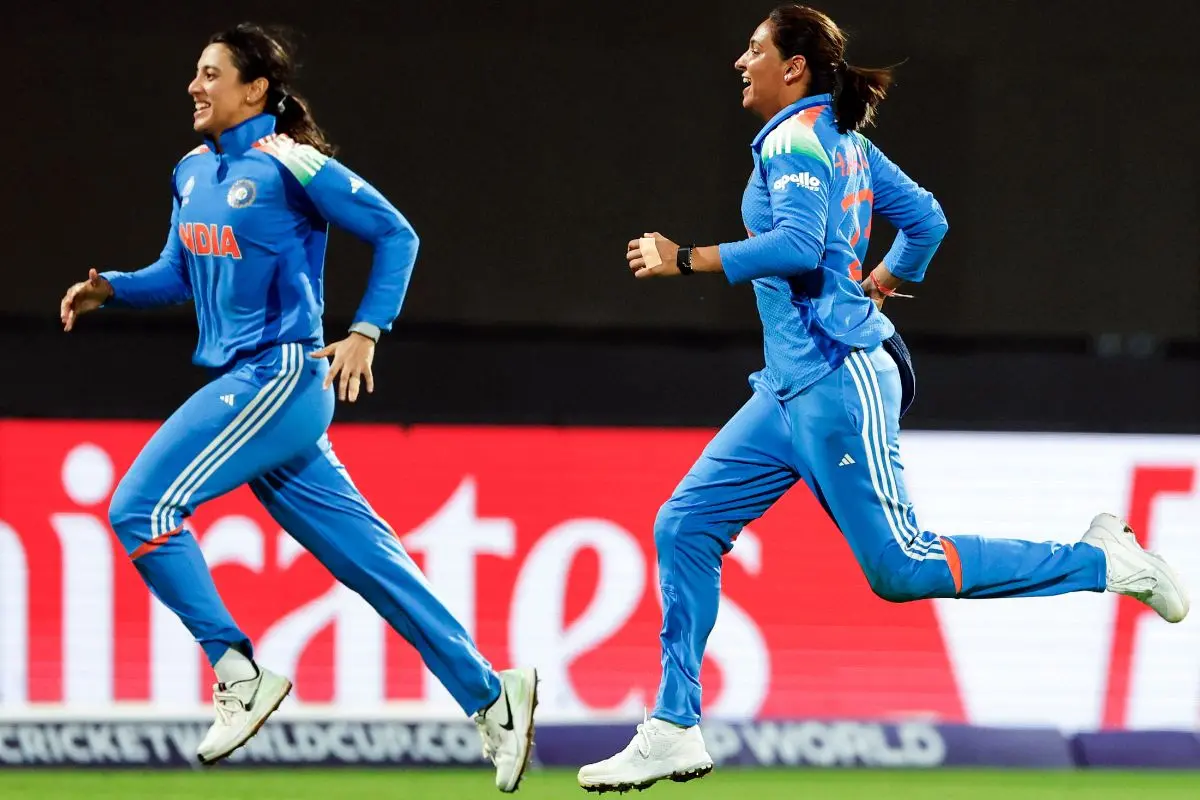
“My life has completely changed since that historic victory,” Harmanpreet said at the outset, moments after being introduced as the first Indian women’s cricket captain to win a World Cup. She described the win as “a long-awaited dream and a feeling too special to put into words.” Recalling the decisive catch in the final, she admitted she first thought the ball would clear her head. “It was instinct. I didn’t think of the pain in my left knee—I just jumped. When you’re so involved in the game, the body reacts on its own.”
‘We wanted to change mindsets’
Reflecting on the role her team has played in transforming the landscape of women’s cricket in India, she said, “India’s 2011 World Cup win made every Indian proud. I always dreamt that our achievements would similarly change mindsets about women’s cricket.”
She spoke with remarkable honesty about the struggle for equal appreciation: “I want stadiums full for women’s matches, and I want people to look at our game without comparing it to the men’s. This victory felt even more special than 2011 because it broke so many barriers.”
When asked whether the win felt like revenge for the heartbreaking 2017 final, she firmly responded, “No, it wasn’t revenge. In 2017, we lost a match we should have won. But we told ourselves we’d come back stronger and more prepared.”
Mental fortitude, team preparation, and Jay Shah’s faith
Harmanpreet spoke about how the team mentally prepared for what was a long and demanding tournament. When asked about the most memorable compliment she had received, she said she cherished the belief the BCCI leadership had shown in the team.
“Jay Shah supported us even before we won. He always said, ‘You will win the World Cup one day.’ He told me he wanted to hand the trophy to me himself. That trust meant everything to us.”
She added that his reaction after the victory moved her deeply. “When he simply said, ‘I am very happy,’ it carried so much emotion. His belief strengthened me.”
‘My father hugged me like a child’
Among the most emotional recollections of the interview was her father’s reaction to the win. “He was at the semi-final and the final. After the match, he hugged me like I was a little child. That moment will stay with me forever.”
Her father, she revealed, had always been her fiercest supporter and first coach—sometimes excessively so. Laughing, she said, “All parents think they know better than their child—he was no different!”
She narrated a childhood memory that her mother later disclosed: “On the day I was born, he bought a big shirt with ‘Good Batting’ and shorts with ‘Good Bowling’. I felt like I was destined to play cricket.”
Growing up in Moga, early struggles and breakthroughs
Asked if she ever imagined reaching such heights, Harmanpreet responded, “I always dreamt of representing India. But people would tease me—‘girls can’t play in boys’ teams’.”
She credited her school principal, Sardar Kamaljeet Singh Sodhi, for forming the first girls’ cricket team at her school after noticing her ability. “That was the beginning. Before that, there was no awareness of women’s cricket at all.”
The turning point, she said, was playing in Australia’s Women’s Big Bash League (WBBL). “I learnt so much—how international players train, prepare, recover. I came back and shared everything with my teammates. It changed our cricket.”
The Women’s Premier League (WPL), she added, was equally transformative. “It prepares new players even before they enter the Indian team. They’ve already shared dressing rooms with the best. The adaptation time is gone.”
Handling criticism and pressure
Harmanpreet did not shy away from discussing the severe trolling the team faced after a close defeat to England earlier that year. “Fans were upset because they knew we could play better. They expect from us because the bar has been raised.”
Following a team meeting with coaches, she said, “We decided not to think about criticism or trolling. We wanted to win every match and prove our ability to ourselves first.”