BCCI tightens reins with strict new IPL 2026 directives: Know the do's and don'ts
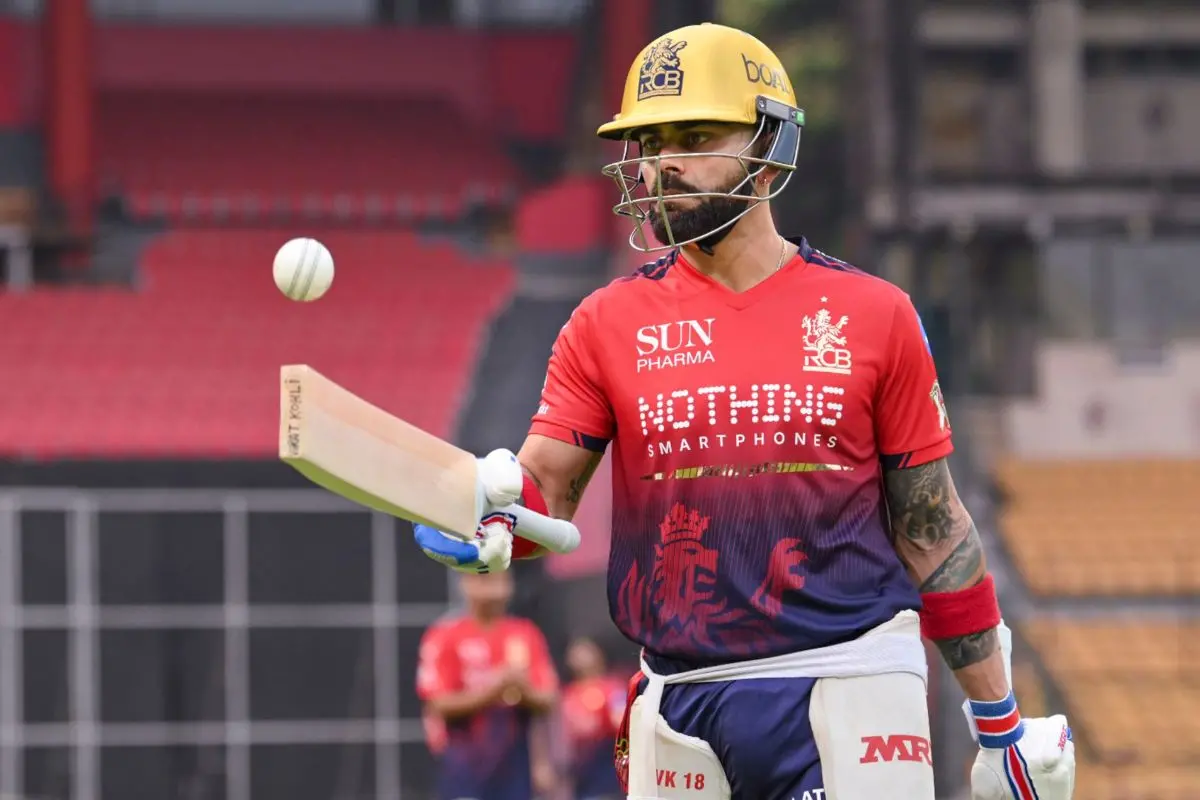
The Board of Control for Cricket in India (BCCI) has issued a comprehensive new mandate to all franchise managers, enforcing a strict ban on team practice sessions on match days for the 2026 season. Designed to preserve the main square and streamline pre-match logistics, the directive limits squads to just two nets in the practice area and a single side wicket for range-hitting.
Under these rigorous new rules, "open nets" are strictly prohibited. Furthermore, should a team conclude its allotted session early, the opposition is forbidden from occupying the vacated wickets. Ground-level discipline has been heightened, with players specifically warned against hitting balls toward LED boards (despite provision of hitting nets) or sitting in front of them. Even footwear is under scrutiny: players are now banned from wearing slippers or sleeveless jerseys during post-match presentations, with financial penalties looming for repeat offenders.
Also read: IPL 2026 RCB vs SRH: Weather report, expected line-ups, match prediction
Logistics and branding also feature heavily in the board's note. To ensure broadcast consistency, the current holders of the Orange and Purple caps must wear their designated headgear for at least the first two overs of every match.
Also read: IPL 2026: Former India captain wants Suryakumar Yadav to replace Hardik Pandya as MI skipper
Regarding travel, players are now required to use the official team bus, remaining entirely segregated from family members and friends, who must travel in separate vehicles and remain within designated hospitality zones. (With inputs from Agencies)