IPL 2026 practice rules: BCCI mandates fresh nets and 3.5-hour cap to protect pitches
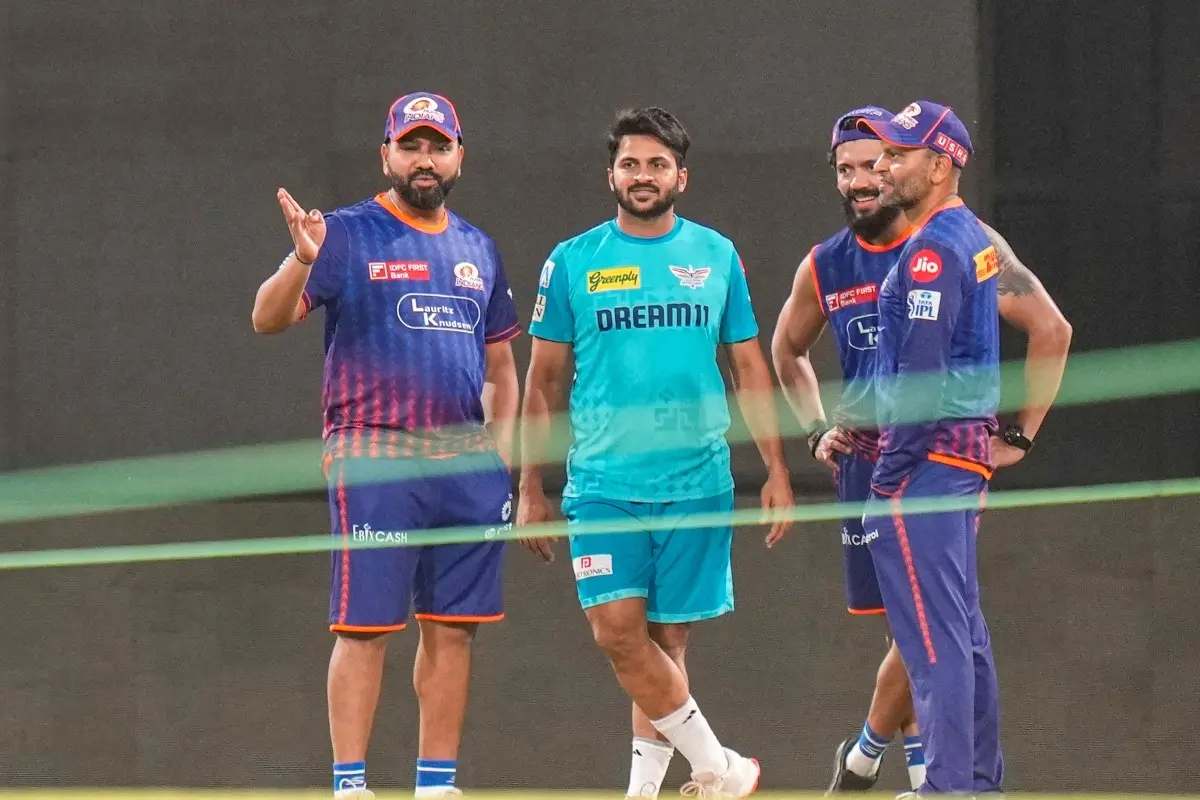
Mumbai: The Board of Control for Cricket in India (BCCI) has officially tightened the reins on all ten franchises ahead of the IPL 2026 season. In a comprehensive five-page operational directive, the board has introduced a series of "fresh pitch" mandates and time-bound practice regulations.
These measures are designed to eliminate unfair home-ground advantages and protect the quality of match surfaces, which often deteriorate during the gruelling T20 tournament.
What is the new 3.5-hour rule for IPL practice matches?
In a bid to reduce excessive wear and tear on stadium squares, the BCCI has placed a literal stopwatch on pre-season preparations. Under the new "Three-and-a-Half-Hour Rule," any practice match conducted under floodlights must be completed within the specified 210-minute window.
This prevents franchises from holding marathon intra-squad games that could strain the central square’s infrastructure. Additionally, teams are strictly limited to a maximum of two practice matches, both of which require prior approval from the board and must be played on side-wickets rather than the main match pitch.
Why has the BCCI banned teams from sharing practice nets?
To prevent what some insiders call "net spying" and to ensure pristine training conditions, the BCCI has mandated a "Fresh Net Policy." Teams are now strictly prohibited from using any net or practice wicket that has been previously occupied by an opponent during the same day. Even if a team finishes their session early, the following team cannot access those specific nets or range-hitting wickets.
Each franchise must be provided with separate, fresh facilities to ensure that every batter and bowler prepares on a surface of identical quality.
4-day "main square blackout"
One of the most significant changes for IPL 2026 is the total ban on training at the central square in the lead-up to the opening games. No franchise is permitted to conduct practice sessions or matches on the main square during the four days prior to their first home match of the season.
If a home team needs to train during this "blackout" period, the respective State Association is required to provide an alternative venue at no cost. This ensures the pitch remains in peak condition for the high-stakes broadcast matches.
Who gets priority when practice schedules clash?
The BCCI has also introduced a formal conflict resolution mechanism for training slots. While the home team generally gets the first choice for the first 90 minutes of a session, the board has instructed that the visiting team’s logistics must be treated with equal importance.
If two teams cannot agree on a schedule, the BCCI will intervene to create two separate two-hour exclusive slots (e.g., 6:00 PM to 8:00 PM and 8:00 PM to 10:00 PM). This guarantees that neither team is disadvantaged by dramatically different evening dew or temperature conditions during their final drills.
The primary objective is to create a level playing field. By standardising practice duration and pitch usage, the BCCI is ensuring that visiting teams receive the same quality of preparation as the hosts.
This move addresses long-standing complaints regarding "home-ground manipulation", where hosts supposedly utilised better practice tracks.