No cash payouts: Why BWF World Championships offer zero prize money
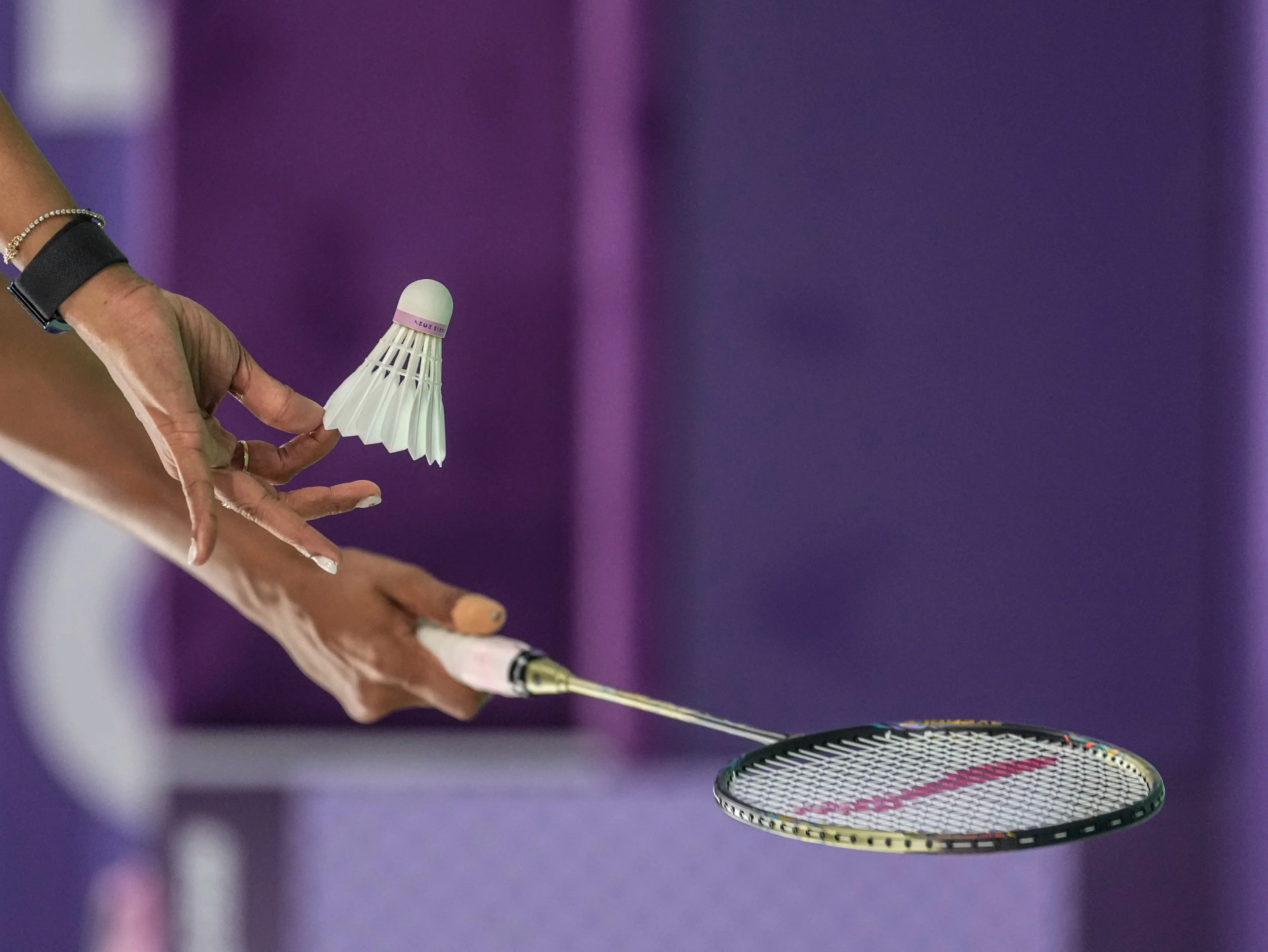
New Delhi: While commercial events on the Badminton World Federation (BWF) World Tour offer lucrative prize pots reaching up to $3 million at the World Tour Finals and over $1.45 million at Super 1000 tournaments, the flagship BWF World Championships awards exactly zero direct prize money to its winners. This creates a stark financial paradox where the sport’s most prestigious annual tournament offers no immediate cash payout for podium finishes. Competitors across all five disciplines must battle through demanding draws solely for national honour, championship silverware, and world ranking points.
The 14,500 Points Currency
In lieu of financial compensation, the BWF treats world ranking points as the primary currency for Grade 1 Major Events. According to official BWF tournament guidelines updated in 2024, a World Championship gold medal grants shuttlers 14,500 ranking points. Silver medalists earn 12,500 points, while semi-finalists claim 10,500 points. These points directly dictate seeding and entry rights for high-value Super 1000 and Super 750 events on the World Tour circuit, enabling athletes to protect their global standings and secure long-term qualification pathways.
How National Bonuses Bridge the Gap
Although the BWF provides no prize purse, athletes rely heavily on domestic sports organisations and national federations to monetise their success. National Olympic committees and government bodies frequently step in with substantial cash bonuses, state awards, and lifelong pensions for medalists. In major badminton hubs across Asia and Europe, national federations allocate performance rewards to offset the absence of direct tournament purses, ensuring that world champions are financially recognised at home.
The Olympic Model and BWF Reinvestment Strategy
The absence of prize money aligns the World Championships directly with the traditional Olympic Games framework, where international governing bodies avoid direct cash payouts to preserve the ethos of national representation. Grade 1 events—including the Thomas, Uber, and Sudirman Cups—do not distribute prize pools. Instead, commercial revenues generated through broadcasting and global sponsorships are reinvested directly into grassroots development programmes, global participation initiatives, and technical infrastructure worldwide.
The Commercial Legacy of World Champion Status
Beyond national incentives, securing the title of world champion delivers long-term commercial dividends through private sponsorships. Holding an official BWF world title drastically enhances a shuttler's market value, driving lucrative equipment deals, corporate brand endorsements, and increased appearance fees across the global circuit. Thus, while shuttlers receive no instant cheque on the podium, the prestige of pure glory provides the foundation for sustained career earnings.