Kerala's Olympic Athletics team dwindles to four: A shadow of its former glory!
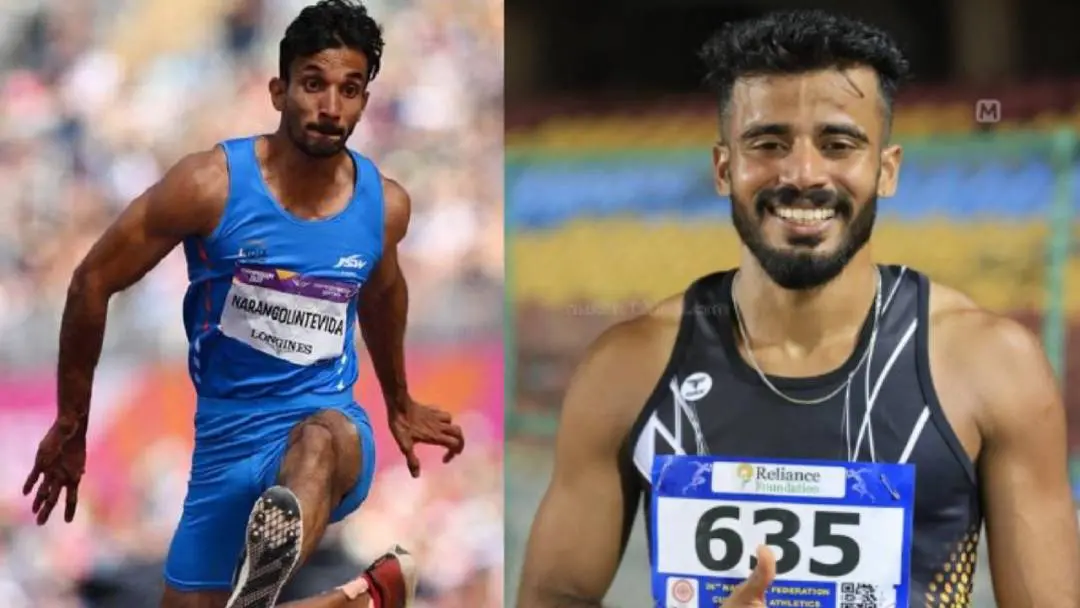
Bengaluru: The declining representation of Kerala in India's Olympic squads signals a worrying trend for the state's athletics prowess, once a prominent force in track-and-field. For the upcoming Paris Olympics, Kerala will send only four athletes: Muhammed Anas, Muhammed Ajmal, Mijo Chacko Kurian (all in the men's 4x400m relay), and Abdulla Aboobacker (men's triple jump). This contrasts starkly with past years, such as Tokyo 2020 and Rio 2016, where Kerala boasted a more substantial presence with athletes like Yahiya, Noah Nirmal Tom, and Jinson Johnson.
Notably, there has been a glaring absence of female athletes from Kerala in successive Olympics, a disheartening downturn for a state that has produced legendary figures like PT Usha, Shiny Wilson, Anju Bobby George, and others.
The shortfall in representation reflects deeper issues within Kerala's sports administration. Officials have been criticised for their inadequate support and follow-through after athletes achieve international success. Promises of rewards and job placements often go unmet, exemplified by VK Vismaya's struggle to secure a government job despite her gold medal-winning performance at the Jakarta Asian Games in 2018. In contrast, athletes from other states like Hima Das have received timely recognition and rewards, exposing discrepancies in how sporting achievements are acknowledged and rewarded across the country.
The delay in honouring commitments has not only disillusioned athletes but also threatens to erode Kerala's sporting legacy. The Kerala State Sports Council (KSSC), while acknowledging delays, pledges to rectify these issues promptly, attributing some setbacks to injuries among key athletes like Ancy Sojan and Sreeshankar. Such injuries have further diminished Kerala's representation at the national level, contributing to the current predicament.
Beyond high-profile athletes, mismanagement permeates grassroots levels as well. Despite Kerala's rich talent pool at the junior level, young athletes face significant hurdles due to financial constraints and inadequate infrastructure. Many come from economically disadvantaged backgrounds, relying heavily on government support that often falls short, especially when compared to more lucrative sponsorships available in cricket and football.
The sorry state of sports facilities in Kerala exacerbates these challenges. Traditional venues like the Maharajas Stadium, essential for nurturing future champions, languish in disrepair. Delayed renovation efforts deprive young athletes of crucial training opportunities, compromising their development and pushing some to seek better facilities outside the state.
The plight of Kerala's athletes is emblematic of larger systemic issues affecting sports development in India. While talent remains abundant, the inability to provide essential resources and institutional support stifles potential champions. The exodus of promising athletes to states with better infrastructure and support systems underscores Kerala's urgent need for comprehensive sports policy reforms.
Addressing these challenges requires concerted efforts from both government authorities and sports administrators. Immediate steps must include fulfilling long-overdue promises to athletes like VK Vismaya, ensuring timely medical and financial support for injured athletes, and prioritising infrastructure upgrades to bolster grassroots training facilities. Moreover, fostering a culture of accountability and transparency in sports administration is crucial to restoring Kerala's standing as a powerhouse in Indian athletics.
On a whole, while the decline in Kerala's Olympic representation may not yet be dire, it serves as a poignant reminder of the urgent need for reforms in sports governance and infrastructure. Only through proactive measures and sustained support can Kerala reclaim its status as a breeding ground for champions and secure a brighter future for its aspiring athletes. PTI