Norman Pritchard: The Olympic medalist who stirs debate between Britain and India
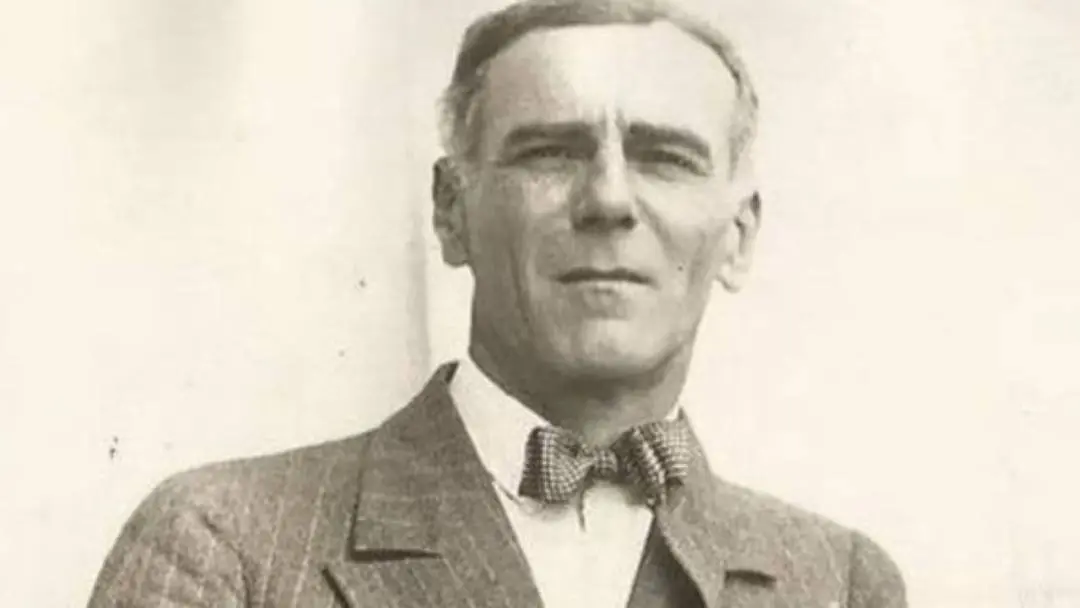
New Delhi: Norman Pritchard, a British-Indian athlete, remains a prominent figure in Olympic history due to his unique and somewhat contentious legacy. His name surfaced once again when Manu Bhaker became the first Indian athlete in the post-independence era to win two medals in a single Olympics. This attention brings Pritchard's achievements into the spotlight, particularly his notable performance at the 1900 Paris Olympics, where he won silver medals in the 200m sprint and 200m hurdles.
Born in Calcutta in 1875, Pritchard competed in the 1900 Olympics under the flag of Great Britain. The International Olympic Committee (IOC) recognizes him as an Indian athlete, reflecting his place of birth. However, the World Athletics (formerly IAAF) attributes his Olympic medals to Britain, highlighting the complex nature of his national affiliation.
Pritchard's story is steeped in historical nuances. Despite his Indian origins, his athletic career and subsequent life in Britain and the United States complicate his national identity. Ian Buchanan, a British Olympic historian, describes Pritchard as being "indisputably British," given his colonial background. However, Pritchard's achievements in India, such as winning the Bengal 100 yards title for seven consecutive years and his victories in the 440 yards and 120 yards hurdles, lend support to the claim that he should be celebrated as an Indian athlete.
Pritchard moved to the United States shortly after his Olympic success to pursue an acting career. Under the screen name Norman Trevor, he appeared in 27 silent films, blending his athletic fame with a new identity in Hollywood. Despite his transition, Pritchard’s legacy remains debated. While the Athletics Federation of India (AFI) honours him in its 'Hall of Fame' and celebrates him as the first Indian to win an Olympic medal, the IAAF Statistical Handbook credits his achievements to Great Britain.
The controversy surrounding Pritchard's nationality reflects broader historical and cultural complexities. The IOC acknowledges the ambiguity of his national representation, citing the historical context of the time. Murali Krishnan, an Indian athletics statistician and member of the International Society of Olympic Historians, argues that Pritchard is now officially recognized as competing for India, given the IOC's attribution.
The differing attributions by the IOC and IAAF may also stem from historical administrative reasons, such as the fact that the IAAF was once headquartered in London before moving to Monaco. This administrative legacy may contribute to the ongoing debate about Pritchard's nationality.
On the whole, Norman Pritchard's Olympic medals are a point of contention between British and Indian athletics authorities. His legacy is a testament to the complex interplay of identity, history, and sports, making him a unique and enduring figure in Olympic history. PTI