Houthis continue attacks on Israel: How escalation fuels fears of wider Middle East war
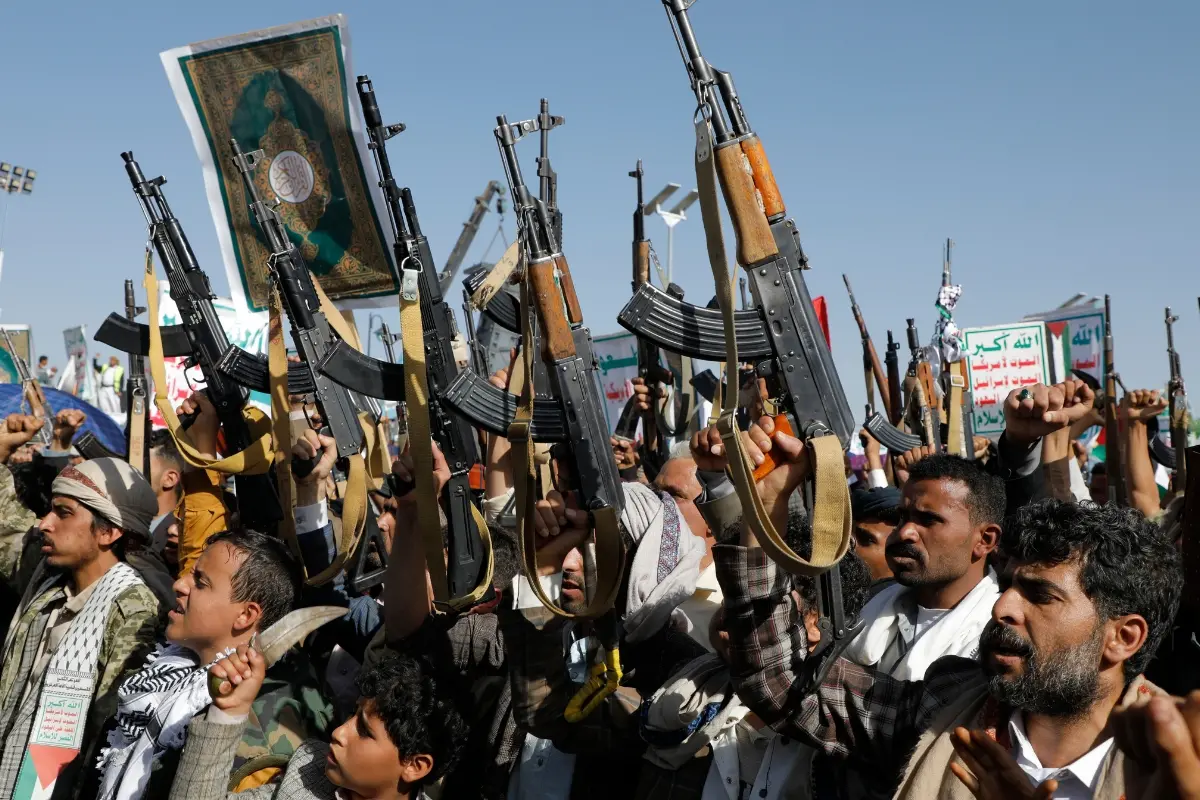
Tehran: Yemen’s Iran-backed Houthi group has intensified its military activity by launching repeated missile attacks towards Israel, signalling a broader regional escalation in an already volatile conflict.
These strikes come amid increasing tensions involving Israel, Iran and allied groups across multiple fronts.
The Houthis’ involvement highlights how the conflict is no longer confined to direct confrontations between major state actors, but is expanding through allied militant groups operating across the region. Their actions are closely linked to broader geopolitical dynamics involving Iran and its network of regional partners.
Why the sudden escalation
One of the primary reasons behind the escalation is the widening scope of the conflict involving Israel and Iran-linked groups. The Houthis, who are aligned with Iran, have indicated that their missile strikes are part of a broader response to ongoing military developments in the region.
The escalation has also followed reported attacks on Iranian facilities and increased military pressure on Iran and its allies. In response, Iran’s Islamic Revolutionary Guard Corps (IRGC) has issued warnings of further retaliation, signalling that tensions could continue to rise if hostilities persist.
Another contributing factor is the growing coordination among Iran-backed groups such as Hezbollah in Lebanon and other aligned factions. Their involvement suggests a multi-front dynamic, where pressure is applied simultaneously across different geographical areas.
Strategic motivations behind Houthi involvement
The Houthis’ actions are not isolated incidents but are tied to their political and military alignment with Iran. By targeting Israel, they are extending the conflict beyond Yemen and demonstrating solidarity with allied groups.
Control and influence over key maritime routes also play a role. The Bab al-Mandab strait, a critical global shipping chokepoint near Yemen, gives the Houthis potential leverage over international trade routes, particularly oil shipments passing through the Red Sea.
Disruption of these routes could have global economic consequences, which adds a strategic dimension to their actions beyond the immediate military conflict.
How this shapes the ongoing conflict
The involvement of the Houthis contributes to the transformation of the conflict into a broader regional confrontation rather than a contained bilateral war. With multiple actors now engaged, the risk of miscalculation and further escalation increases significantly.
If missile and drone attacks continue from Yemen, combined with activity from groups in Lebanon, Iran and other areas, the conflict could evolve into a multi-front scenario involving direct and indirect participants across the Middle East.
There is also an increased risk to global shipping lanes. Any sustained targeting of maritime routes near Bab al-Mandab could disrupt international trade, particularly energy supplies, leading to economic ripple effects worldwide.
Diplomatic and security implications
The escalation places additional pressure on international diplomatic efforts aimed at de-escalation. Regional and global powers may need to engage in intensified negotiations to prevent further spread of the conflict.
At the same time, countries in the Gulf region and beyond are strengthening air defences and military readiness in response to missile and drone threats. This reflects growing concern that the conflict could spill over into neighbouring territories.
The Houthis’ continued missile attacks indicate that the conflict is entering a more complex and interconnected phase. With multiple actors involved and competing strategic interests at play, the situation remains fluid, with the potential for further escalation if diplomatic efforts fail to contain tensions.