Who is Arun Subramanian? The Indian-American judge behind ‘Diddy’ Combs’ 50-month verdict
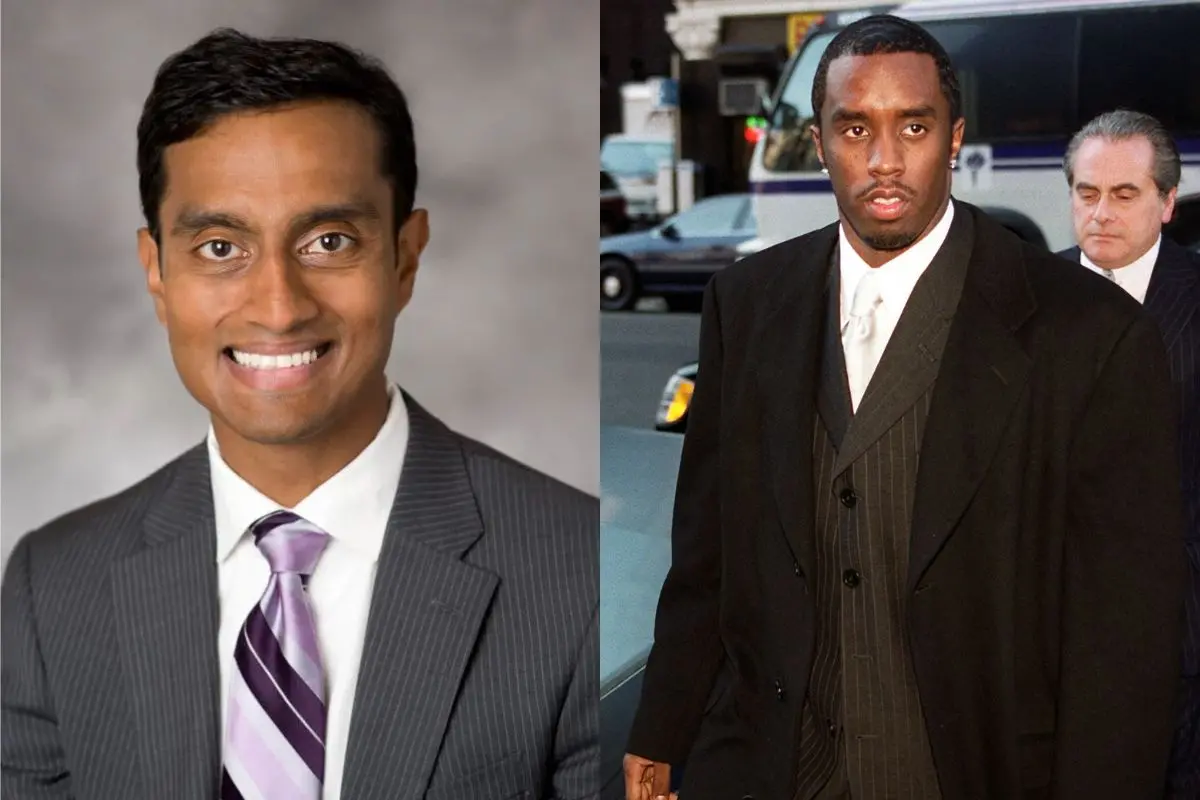
New York: Arun Subramanian, the Indian-origin federal judge who sentenced hip-hop mogul Sean “Diddy” Combs to four years and two months in prison, has become a prominent figure in one of the most high-profile cases of recent years. The verdict followed a nearly two-month trial in Manhattan, during which Combs faced allegations of transporting women across state lines for sex, as well as claims of threats, assault, and blackmail.
Subramanian not only handed down the 50‑month prison term but also imposed the maximum fine of USD 500,000 on Combs, citing the “repeated nature of his offences” and “history of violence toward former partners.” The judge emphasised that the sentence sends “a message to survivors of domestic abuse that violence against women is met with real accountability.”
An immigrant success story
Born in Pittsburgh, Pennsylvania, in 1979, Arun Srinivas Subramanian is the son of Tamil Brahmin engineers who emigrated to the United States in the 1970s. Raised in a household prioritising education and public service, Subramanian pursued a degree in computer science and English at Case Western Reserve University before earning his Juris Doctor from Columbia Law School in 2004, graduating as a James Kent and Harlan Fiske Stone Scholar.
Subramanian’s early legal career included clerkships with Judge Dennis Jacobs of the US Court of Appeals for the Second Circuit, Judge Gerard E. Lynch of the Southern District of New York, and the late US Supreme Court Justice Ruth Bader Ginsburg, experiences that shaped his judicial philosophy.
He joined the litigation firm Susman Godfrey LLP in New York in 2007, eventually becoming a partner. Over his career, he represented both major corporations and underdog plaintiffs, recovering more than USD 1 billion in fraud and exploitation cases. He also dedicated significant efforts to pro bono work, including cases involving child pornography trafficking and consumer rights.
A judicial career marked by distinction
In 2022, Subramanian was nominated by President Joe Biden and confirmed in 2023, becoming the first South Asian judge appointed to the US District Court for the Southern District of New York. At 45, he is among the youngest judges serving on the federal bench, known for his “adaptable yet firm” style. Colleagues describe him as a blend of disciplinarian and moderniser, a jurist who values decorum while occasionally lightening courtroom tension with humour.
“Why did it happen so long?" Subramanian asked as he handed down Combs’ sentence. “Because you had the power and the resources to keep it going, and because you weren't caught.”
His approach during the Combs trial earned attention for balancing firmness with fairness, maintaining order amid intense media scrutiny while respecting the rights of all involved. TMZ noted his “relaxed temperament and calm exchanges,” which helped ease tensions in what was widely called “the trial of the year.”
The Diddy case and Subramanian’s role
Sean “Diddy” Combs was convicted in July under the Mann Act for transporting individuals across state lines for sexual encounters, following testimony from several women who accused him of assault and exploitation. While acquitted of sex trafficking and racketeering charges, the conviction carried significant consequences.
Subramanian emphasised that the sentence reflects only the crimes for which Combs was convicted and praised the courage of the accusers. “You gave them a voice. You stood up to power,” he said. “The number of people who you reached is incalculable.”
The judge’s ruling also imposed five years of supervised release, underlining the gravity of the offence and the importance of accountability. Defence attorneys had argued that the Mann Act was misapplied, and sought Combs’ immediate release, noting his time already served. Prosecutors, however, had requested a sentence exceeding 11 years.
Beyond the bench
Outside the courtroom, Subramanian has cultivated a reputation for approachability and humanity. He is known to order his judicial robes online, enjoys karaoke, and occasionally uses light humour to ease tense proceedings. “The law is serious,” he told a group of law clerks, “but the people applying it don’t always need to be grim.”