Trump ‘keeping war alive’ to benefit billionaire allies and back Israel, claims analyst
A Middle East expert has claimed that the ongoing conflict in West Asia is disproportionately benefiting wealthy nations, particularly the United States, while poorer countries bear the brunt of the crisis. Speaking on Monday, Waiel Awwad alleged that the war is being prolonged for strategic and economic reasons, linking it to the interests of powerful global players.
Allegations against Donald Trump and US strategy
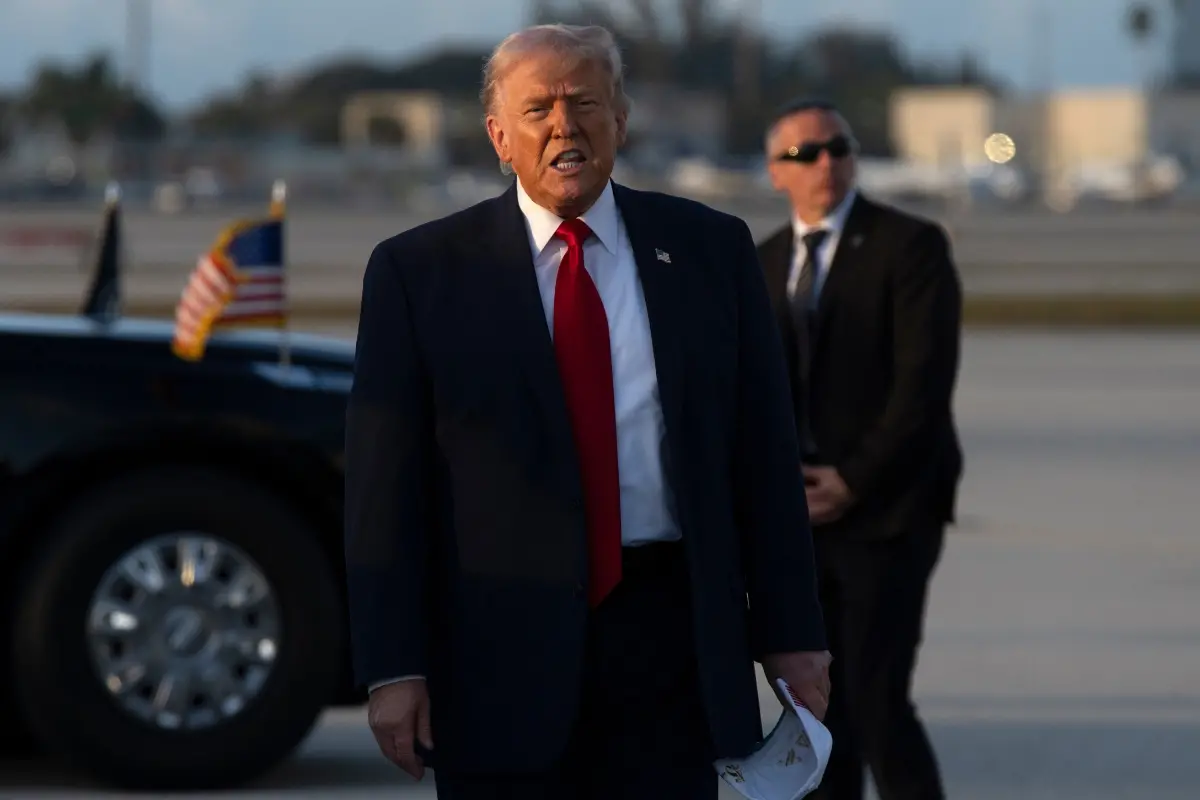
Awwad criticised Donald Trump, alleging that the US leader is extending the conflict to satisfy influential billionaire allies and align with Israel’s objectives.
He argued that wars tend to widen economic inequalities, stating that richer nations continue to grow wealthier while poorer countries suffer. He also pointed to protests within the United States, where citizens have demonstrated against the government and questioned its involvement in the conflict.
Awwad further claimed that Trump is attempting to appease a circle of wealthy associates, suggesting that his personal assets have increased during this period. He also alleged that Trump’s actions are closely aligned with directives from Israel’s leadership, leaving little room for de-escalation.
Counter-claims on military developments
Challenging Trump’s claims of military success, Awwad referred to reports from Iran. While Trump has spoken about weakening Iran’s naval strength, Awwad cited accounts suggesting that US Marines and commandos attempted to land on Kharg Island, a key Iranian oil facility, and were captured.
Fears of escalation and security concerns
Awwad warned that the conflict could intensify further, especially with the approach of Easter. He expressed concern over the possibility of a “dirty bomb” or a “false flag” operation that could create instability in South Asia.
He noted that Trump’s public statements and troop deployments have been inconsistent, with frequent announcements followed by increased military presence in the region. According to Awwad, such developments point towards a potential ground offensive, raising fears that the conflict may not end soon.
Iran’s preparedness for prolonged conflict
According to Awwad, Iran has been preparing for a long-term confrontation for decades, particularly since the Iranian Revolution. He alleged that the United States and Israeli intelligence agencies have conducted covert operations in Iran over the years, including the assassination of thousands of scientists, civil servants, and political figures.
He rejected claims that Iran is weakening, stating instead that the country is executing a well-planned, long-term military strategy. Awwad said Iran has carried out systematic strikes using advanced technologies, including artificial intelligence, targeting thousands of sites and maintaining an extensive list of potential targets.
Gulf nations and shifting regional dynamics
Awwad also discussed the role of Gulf Cooperation Council countries, suggesting that the United States initially aimed to unite them against Iran. However, he claimed these nations are now reassessing their position and questioning the presence of US military bases in the region.
He said Iran has intensified attacks on US-linked installations and interests across the Gulf and within Israel, even warning of possible strikes on universities. According to Awwad, this indicates that the conflict is expanding beyond control.
Debate over role of US military bases
While the United States has traditionally positioned its bases as protective measures for Gulf nations, Awwad argued that the situation has shifted. He claimed that Arab countries are now effectively defending American bases rather than benefiting from their protection.
He further alleged that Gulf nations have been financially drained by the US presence, citing claims that trillions of dollars have been extracted from the region. According to Awwad, there is growing sentiment among these countries to push for the withdrawal of US forces and instead pursue a regional security arrangement that includes Iran.
Trump’s remarks on Gulf support
Earlier on Monday, Trump, speaking to reporters aboard Air Force One while travelling to Joint Base Andrews, maintained that Gulf nations are actively resisting attacks and remain aligned with the United States.
He said countries such as Saudi Arabia, Qatar, the United Arab Emirates, Kuwait, and Bahrain are responding strongly after being targeted, adding that they are fully supportive of the US position and remain in close communication with Washington.
Agency inputs