'Spiritual fruits' over controversy: Vatican clears path for Medjugorje pilgrimages
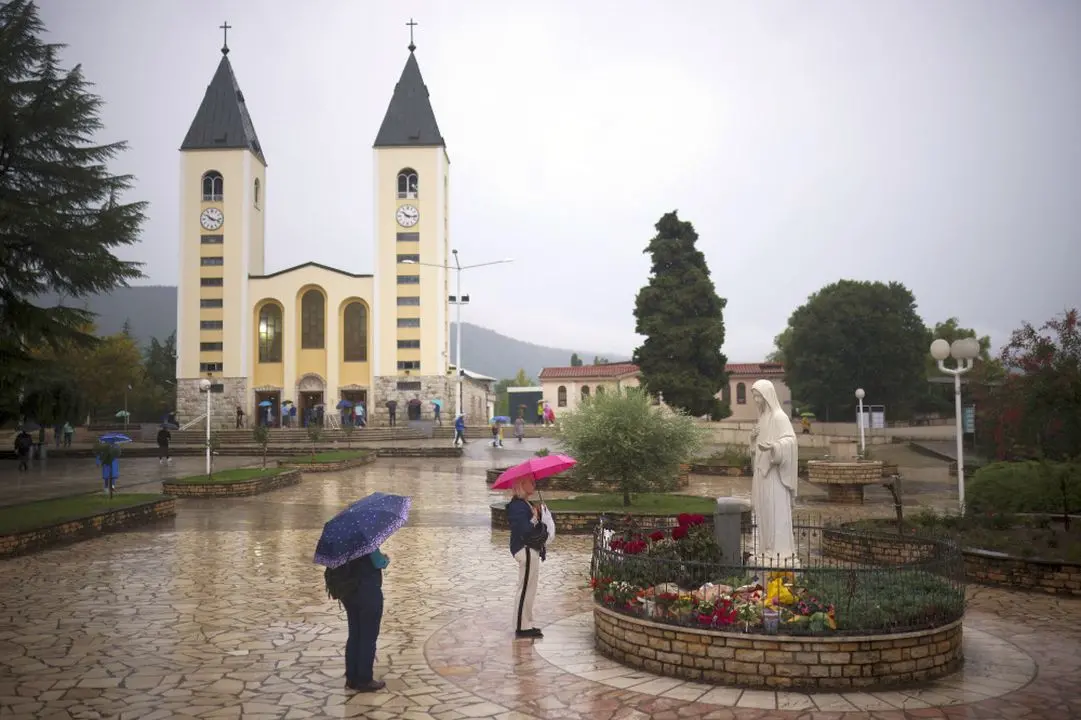
The Vatican on Thursday gave its approval for Catholics to continue visiting Medjugorje, a small village in southern Bosnia where children have reported seeing visions of the Virgin Mary. This decision marks a significant moment in one of the most debated aspects of Roman Catholic devotion in recent years.
After nearly 15 years of study, the Vatican's Dicastery for the Doctrine of the Faith stopped short of declaring the reported apparitions at Medjugorje as authentic or of supernatural origin. The office also raised concerns about contradictions in some of the "messages" reportedly received by the alleged visionaries over the years.
However, under new Vatican guidelines introduced this year, the doctrine office ruled that the 'spiritual fruits' of the Medjugorje experience were sufficient to justify allowing public pilgrimages and acts of devotion to continue. The decision essentially overrides earlier doubts expressed by regional diocesan bishops about the legitimacy of the apparitions and overlooks current concerns about the commercialization of the village as a religious tourism hub.
With Pope Francis’ endorsement, the Vatican noted the "abundant and widespread fruits" of Medjugorje’s influence, stating that these positive outcomes show the Holy Spirit is "acting fruitfully for the good of the faithful" in this spiritual context.
A Major Pilgrimage Destination
In 1981, six children and teenagers reported seeing visions of the Virgin Mary on a hill in Medjugorje, located in southern Bosnia's wine-making region. Some of these "seers" claim that the visions continue to this day, with Mary allegedly sending them regular messages.
Since then, Medjugorje has become a prominent pilgrimage site for Christians, attracting millions of visitors over the years. According to the shrine’s website, 1.7 million Eucharistic wafers were distributed during Masses at Medjugorje last year, indicating the large number of Catholic pilgrims who visited.
However, unlike other Catholic pilgrimage sites such as Fatima in Portugal or Lourdes in France, the Vatican has never officially authenticated the apparitions at Medjugorje.
Skepticism and Economic Interests
Over the years, some Vatican officials and local bishops have expressed doubts about the reliability of the alleged visionaries, questioning whether economic motives could be behind the continued claims of visions. Even Pope Francis himself voiced skepticism in 2017, stating, “I prefer Our Lady to be a mother, our mother, and not a telegraph operator who sends out a message every day at a certain time.”
Religious tourism has become an economic lifeline for the region, supporting a wide range of businesses, including hotels, family-run accommodations, and even sports complexes. The industry has contributed to the municipality’s recovery after the Bosnian war in the 1990s left the local economy in ruins.
Vatican’s New Approach to Apparitions
In its assessment, the Vatican’s doctrine office reiterated that as of May this year, it no longer takes on the task of authenticating alleged apparitions or other supernatural phenomena, such as statues that allegedly weep blood or stigmatas. The new guidelines outline six possible outcomes, with the most favorable being a “nihil obstat,” which means that there is nothing about the event that contradicts the faith, allowing Catholics to express devotion.
On Thursday, the Vatican, with Pope Francis' approval, granted Medjugorje a “nihil obstat,” allowing pilgrimages and acts of devotion to continue.
Positive Spiritual Impact
In its analysis, the Vatican highlighted the many spiritual benefits attributed to pilgrimages to Medjugorje. These include people feeling called to the priesthood or religious life, couples reconciling after marital struggles, physical healings after prayer, and charitable work inspired by visits to the site.
Notably, the Vatican did not reference any negative experiences related to Medjugorje or concerns raised by previous diocesan bishops who had declared the apparitions false. Nor did it mention the defrocking of the priest most closely associated with the alleged visionaries, who was removed from ministry by the Vatican in 2009 for spreading false doctrine, among other things.
The Vatican also appeared to distance itself from the individuals behind the apparitions, noting that the spiritual benefits attributed to the site have not been the result of interactions with the alleged visionaries but rather through pilgrimages to places linked to the original events.
Future of Medjugorje
In its 17-page document, the Vatican dedicated four pages to concerns about inconsistencies in some of the thousands of messages reportedly received by the alleged visionaries, including cases where the content conflicted with Catholic doctrine.
The decision will undoubtedly have a significant impact on Medjugorje, which is located in the municipality of Citluk. Despite being one of the smallest municipalities in Bosnia, with just 18,000 residents, it has thrived economically due to religious tourism. The municipality has declared tourism as a key driver of its development, hosting various festivals and events organized by Christian humanitarian organizations each year.
Local officials are optimistic about 2024, expecting a record number of visitors as Christian pilgrims avoid Israel due to ongoing conflict and turn to Medjugorje as an alternative.
“Medjugorje means a lot. All economic sectors lean on Medjugorje,” said Ante Kozina, head of the local tourism association. “It is a growth generator for the entire municipality.”
AP