US trade war escalates: Trump announces 25% tariffs on all steel and aluminium imports
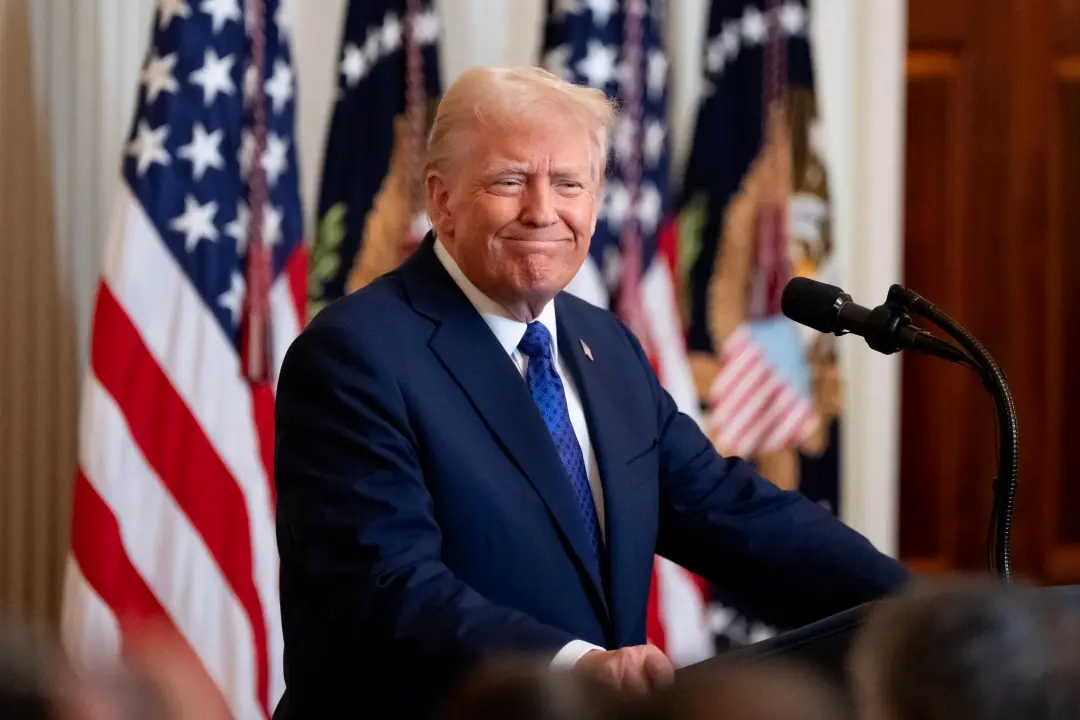
Washington: The United States will impose 25% tariffs on steel and aluminium imports this week, President Donald Trump announced on Sunday. Speaking to reporters aboard Air Force One, he said the tariffs, which will be officially announced on Monday, will apply to "any steel coming into the United States," including aluminium.
This move marks a continuation of Trump’s earlier trade policies, as he imposed similar tariffs during his 2017-2021 presidency to protect domestic industries from what he described as unfair competition from Asian and European countries.
Canada, the largest supplier of steel and aluminium to the US, is expected to be significantly affected by the tariffs. Other major steel exporters to the US include Brazil, Mexico, and South Korea.
On Sunday, Trump also stated that he would introduce "reciprocal tariffs" to align with the rates imposed by other countries on US exports. "Every country will be reciprocal," he said, adding that further details on these tariffs would be announced on Tuesday or Wednesday.
Trump has frequently used tariffs to leverage US financial power, imposing trade restrictions on key partners such as China, Mexico, and Canada. Earlier, he temporarily suspended 25% tariffs on Canada and Mexico after they pledged to take action against fentanyl trafficking and illegal migration. However, the tariffs on Chinese goods remain in effect, with imports facing an additional 10% duty since Tuesday.
China retaliated by imposing targeted tariffs on American products, including coal and liquefied natural gas, set to take effect on Monday. Beijing’s measures cover $14 billion worth of US goods, while Trump’s tariffs affect $525 billion worth of Chinese imports, according to Goldman Sachs.
The European Union could also be targeted under Trump’s tariff strategy. French President Emmanuel Macron, in an interview aired on Sunday, vowed to oppose Trump’s trade measures, urging the US to prioritise action against China instead of the EU. He warned that tariffs on European goods would raise costs and contribute to inflation in the US.
Trump also warned Japanese Prime Minister Shigeru Ishiba that Japan could face similar trade penalties if it fails to reduce its trade deficit with the US.
US trade deficit and economic concerns
The US trade deficit, the largest in the world, widened last year to nearly $920 billion. Trump has promised a "new golden age" for the US economy, maintaining that the cost of tariffs will be borne by foreign exporters rather than American consumers. However, economic experts largely disagree, warning that tariffs could lead to higher prices in the US.
Despite initially downplaying domestic repercussions, Trump later admitted that tariffs imposed on Mexico, Canada, and China could cause "pain" for American consumers.
Trump has previously used tariffs as a negotiation tool in foreign policy matters, including his recent threat to impose them on Colombia after it blocked US military planes carrying deported migrants. The Colombian government later reversed its stance following a standoff with the US president.
With AFP inputs