Trump triumphs over Harris; Americans hand Donald keys to White House once again
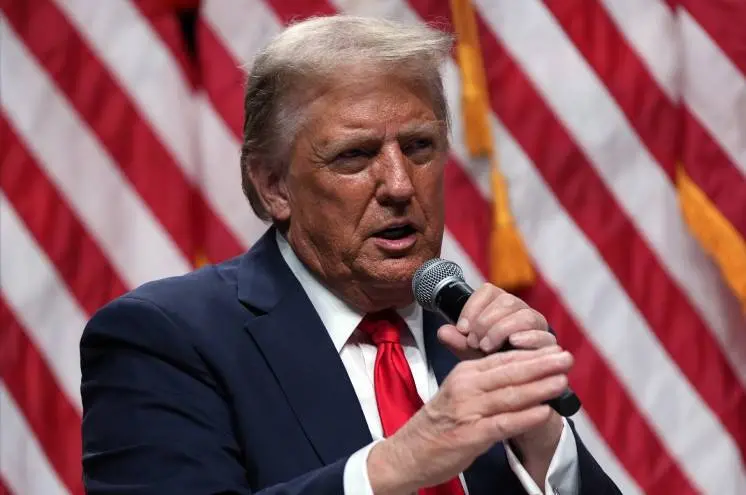
Donald Trump has been elected as the 47th president of the United States in a dramatic return to power, marking a historic comeback after his initial defeat in 2020. Winning the decisive state of Wisconsin, Trump surpassed the 270 electoral vote threshold needed to reclaim the presidency.
Triumph After Turmoil
This election victory caps off a tumultuous chapter in Trump's political career. He is the first former president since Grover Cleveland to return to the White House, and, at 78, the oldest person to assume the presidency.
Trump's victory follows a series of unprecedented events, including being impeached twice, facing multiple felony convictions, and surviving two assassination attempts.
Trump's campaign resonated with a divided electorate through his combative style and promises of sweeping governmental changes. His message focused on economic challenges, crime, and immigration, appealing especially to male voters who felt disconnected from the current administration.
Addressing supporters in Florida, Trump celebrated the win, calling it a "record-breaking" show of support and pledging to deliver on his campaign promises.
Campaign Strategy and Controversies
Throughout the campaign, Trump targeted his Democratic opponent, Vice President Kamala Harris, with pointed attacks, framing her as a continuation of an unpopular administration.
Harris, who became the Democratic nominee after President Joe Biden exited the race due to concerns about his age, struggled to consolidate support amid a compressed campaign period.
Harris has not yet addressed the outcome, but campaign co-chair Cedric Richmond indicated she would speak soon. The vice president's campaign sought to emphasize unity and resilience, but faced challenges convincing voters of a new direction from the previous administration.
Trump's rallies were marked by provocative rhetoric and frequent criticisms of political opponents.
He depicted a nation at risk under Democratic leadership, calling for significant reforms, including enhanced border security and aggressive economic measures. The campaign stirred controversy with incendiary remarks and high-profile endorsements from figures like Joe Rogan and Roberto Clemente Jr.
Legal and Political Implications
Trump's victory raises complex questions given his legal battles. He was convicted on 34 felony charges related to a 2016 election scheme and found liable in civil cases involving asset inflation and sexual abuse.
Although facing sentencing and additional criminal charges, his upcoming presidency could see him appoint an attorney general willing to dismiss federal charges.
This return to power promises a bold agenda aimed at reshaping federal governance. Trump has expressed intentions to enact the most extensive deportation effort in US history, target perceived political adversaries, expand tariffs, and challenge existing international alliances.
His pledge to staff his administration with unwavering loyalists suggests an unrestrained approach to implementing his policies.
A Polarized Path Forward
Trump's election has deepened concerns about democratic stability and governance. While some view his return as a mandate for change, others worry about potential overreach and erosion of checks and balances.
His presidency is set to face ongoing scrutiny both at home and abroad as America braces for significant shifts in domestic and foreign policy.
With the campaign season now concluded, the nation waits to see how Trump will navigate a second term defined by high stakes, intense political polarization, and unprecedented challenges.