US to impose up to 100 percent tariffs on imported patented drugs
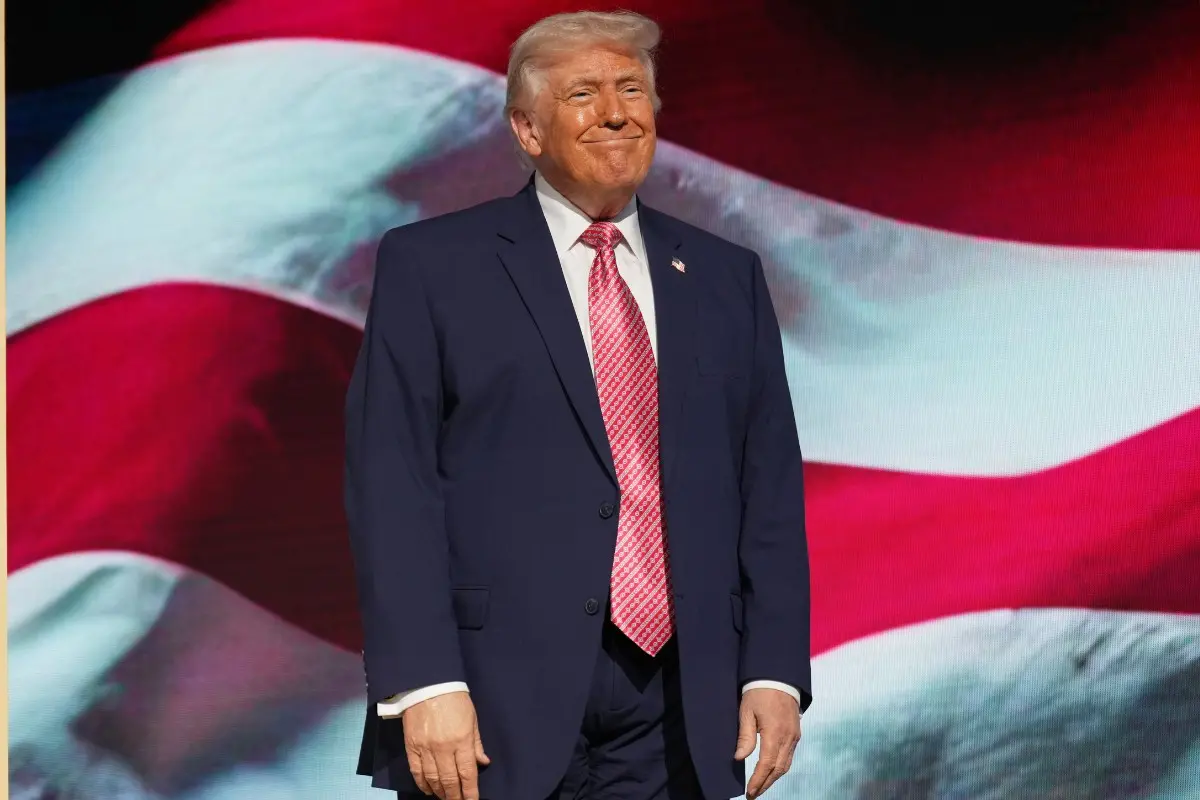
Washington: The United States is set to introduce tariffs of up to 100 percent on imported patented pharmaceuticals, with President Donald Trump pointing to national security concerns and the country’s dependence on foreign supply chains.
In a proclamation issued on Thursday, Trump stated that pharmaceutical products and their related components are being brought into the country in volumes and under conditions that could undermine national security.
The order specifically focuses on patented medicines and active pharmaceutical ingredients, commonly known as APIs. These components are considered essential not only for civilian healthcare but also for maintaining military preparedness. The administration cautioned that heavy reliance on overseas manufacturing could interrupt access to life-saving drugs during periods of geopolitical tension or economic instability.
Tariff structure and phased implementation
Under the new directive, most imported patented pharmaceuticals will be subject to a 100 percent ad valorem tariff. However, companies that pledge to relocate production to the United States will initially face a reduced tariff of 20 percent, which will gradually increase to 100 percent over a four-year period.
The tariffs will be introduced in phases beginning July 31, 2026. Some companies may receive extended timelines depending on existing agreements already in place.
Different rates for key trade partners
The proclamation also sets out varying tariff levels for major trading partners. Imports from regions such as the European Union, Japan, South Korea and Switzerland will be subject to lower duties of around 15 percent. At the same time, certain specialised categories, including orphan drugs, nuclear medicines and gene therapies, will remain exempt from the new tariff framework.
Generic drugs excluded for now
Generic medicines and biosimilars have been kept outside the scope of the tariffs for the time being. The proclamation clarified that generic pharmaceuticals and their associated ingredients will not be subjected to these duties at present.
Push to strengthen domestic manufacturing
Officials indicated that the move forms part of a wider strategy to revive domestic pharmaceutical production and secure supply chains within the United States.
US Trade Representative Jamieson Greer told reporters at the White House that the initiative is not solely about tariff levels but about long-term restructuring.
He highlighted that the administration is working with countries and companies to ensure that supply chains are anchored within the United States. According to Greer, early signs of investment are already visible, with new pharmaceutical manufacturing facilities under construction.
Global trade impact expected
The policy is likely to have significant consequences for international pharmaceutical trade, particularly for countries that are major exporters of finished medicines and raw materials.
Countries such as India and China are among the world’s leading producers of generic drugs and active pharmaceutical ingredients, supplying a large portion of the US market. Although generics are currently exempt, any future expansion of the tariff regime could influence global pricing and disrupt established supply chains.
Legal framework behind the move
The action has been taken under Section 232 of the Trade Expansion Act, which permits the US President to restrict imports deemed a threat to national security. This provision has previously been used to impose tariffs on steel and aluminium. Its application to pharmaceuticals represents a notable expansion of trade measures targeting strategic industries.
With IANS inputs