US midterm elections: What they are and how they shape the next presidential race
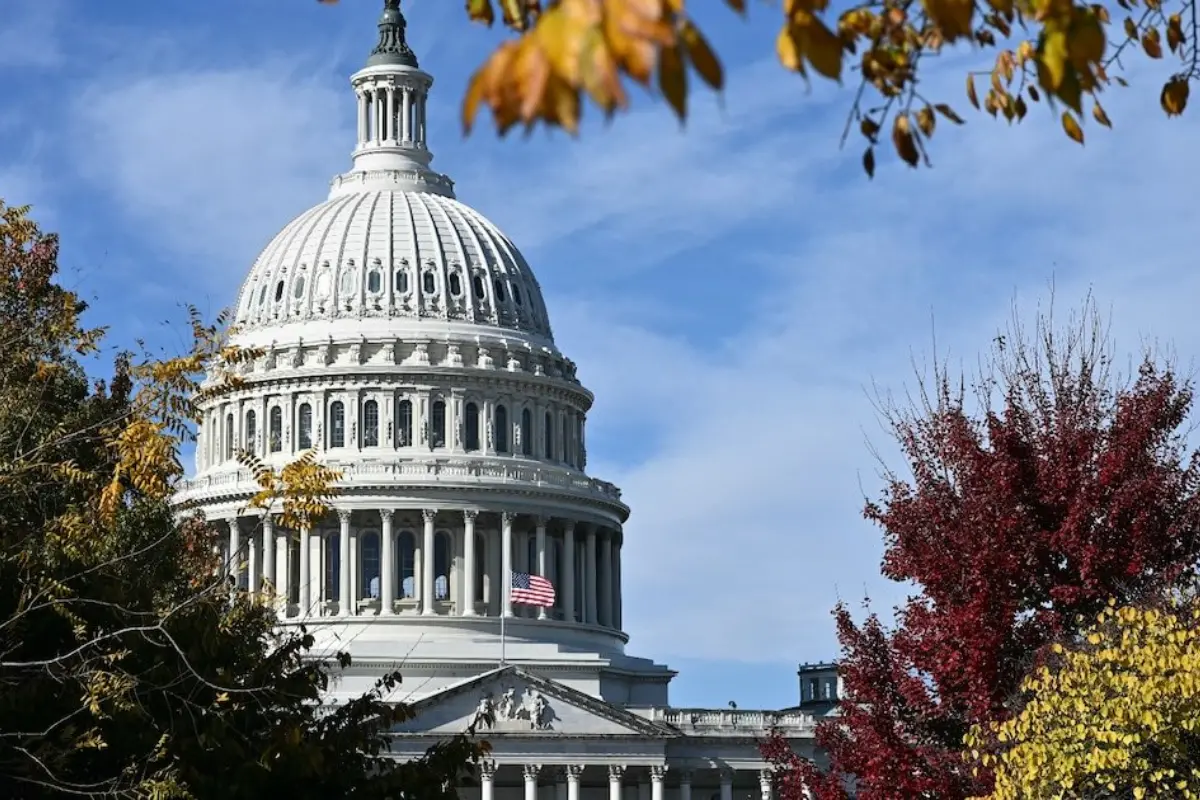
United States midterm elections are general elections held near the midpoint of a president's four-year term in office. Scheduled every four years on the Tuesday following the first Monday in November, these national contests serve as a massive federal and state-level electoral audit. Unlike European parliamentary systems where an entire administration can fall in a single vote, the US constitutional framework uses staggered terms to distribute legislative power.
According to official federal guidelines, all 435 voting seats in the House of Representatives are contested during every midterm cycle due to their two-year terms. Concurrently, roughly one-third of the 100 seats in the US Senate, which carry six-year terms, are on the ballot, alongside dozens of state governorships, state legislative chambers, and municipal offices. Because the presidency itself is not on the ticket, voter turnout historically drops compared to presidential years, shifting the focus toward core party bases and local accountability.
A Direct Barometer and Check on Presidential Power
Midterm elections functionally serve as a national referendum on the sitting president's legislative agenda, economic performance, and executive governance. Historical election records show that the sitting president's party almost universally loses seats in Congress during midterms. In fact, across the 20 midterm elections conducted since 1946, the president's party has lost House seats in 18 instances, averaging a deficit of roughly 23 to 29 seats.
This phenomenon, often termed the "midterm penalty" by political scientists, acts as a constitutional check. If opposition voters successfully flip either the House or the Senate, the legislative landscape undergoes a dramatic shift. The newly empowered opposition gains the authority to block judicial appointments, stall major legislation, control federal budget appropriations, and launch aggressive congressional investigations into the administration.
ALSO READ: Kerala roots cross borders as US midterm races draw attention
Shaping Strategic Momentum for Upcoming Presidential Races
While midterms determine immediate control of Capitol Hill, their outcomes deeply influence the trajectory of the subsequent presidential election cycle two years later. A decisive loss in the midterms can cripple an incumbent president’s momentum, forcing executive leadership onto the defensive and signalling widespread public dissatisfaction. Conversely, if an administration minimises seat losses or defies historical trends, it validates its policy platform and establishes a formidable foundation for the upcoming presidential campaign.
ALSO READ: Indian-origin candidates shine in US midterms: Pia Dandiya wins, Vivek Ramaswamy loses in Ohio
Beyond policy momentum, midterm results directly reconfigure party dynamics and primary field preparation. High-profile victories in contested gubernatorial or Senate races elevate rising state figures into primary contenders for the White House. Furthermore, state-level midterm outcomes dictate which political party controls statehouses, redistricting maps, and voting access laws ahead of the next presidential cycle. Ultimately, midterms act as both a midway judgment on the current administration and a decisive battleground that sets the structural and political conditions for the white-hot presidential race to follow.