470 seats, one verdict: Can democrats rein in Donald Trump?
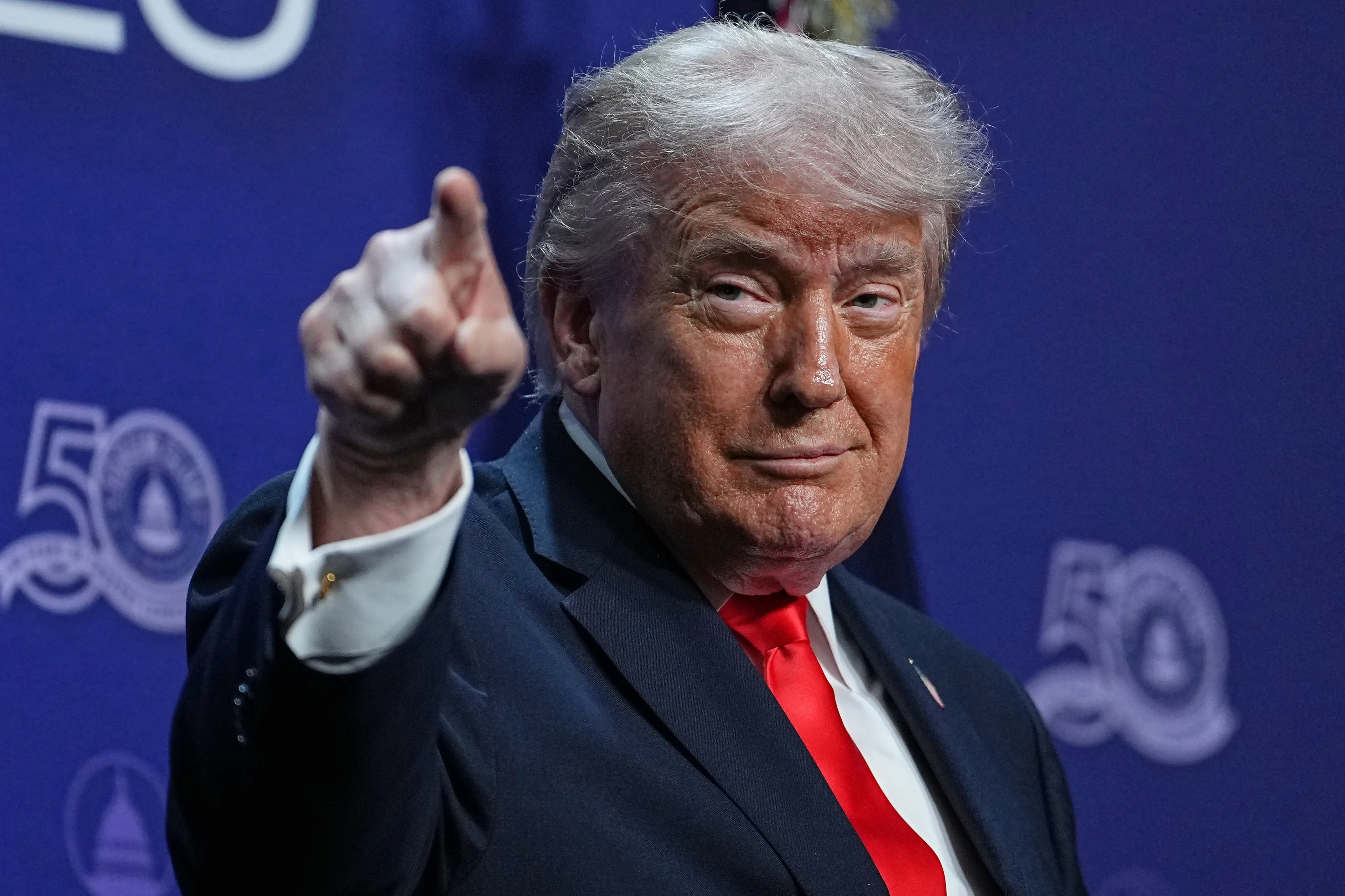
Picture a household in which one member has been taking most of the big decisions alone, and the rest of the family at last gets to say whether they approve. That, in essence, is what the United States is doing today. On Tuesday, November 3, roughly 250 million Americans are eligible to fill 470 seats in Congress, the country's parliament, and in doing so decide how much freedom President Donald Trump will enjoy for the final two years of his term.
The stakes are unusually high because of how Trump has governed. Since returning to office, he has signed an average of 166 executive orders a year, direct presidential orders that need no approval from Parliament. No president since Franklin D. Roosevelt, who served from 1933 to 1945, has used this tool so freely; Barack Obama averaged 35 a year and George W. Bush 42. Congress exists precisely to balance such power. It alone makes laws, and it controls the money: the House of Representatives can stop funding for any department or project the president favours. It can summon cabinet members and departmental heads to hearings, where they must answer publicly. It can launch investigations into what went wrong. In the gravest cases, it can begin impeachment: if more than half the House votes to charge the president with treason, bribery or other serious abuses, the Senate holds a trial, and two-thirds of senators can remove him.
The president is not defenceless. He may veto, or refuse to sign, any bill. Yet if two-thirds of both houses vote again in favour, it becomes law regardless. This happened in 1973, when Congress forced through the War Powers Resolution against President Richard Nixon's wishes, curbing a president's ability to send troops into combat without approval.
Should the Democratic Party capture both houses, its intentions are already declared: investigations into Trump and his associates over corruption allegations, renewed military aid to Ukraine, efforts to end the war with Iran, and removal of the tariffs, extra taxes on imported goods, imposed on countries worldwide over the past two years.
The arithmetic favours Republicans only narrowly. In the House, they hold 219 seats to the Democrats' 214, with two seats, in Florida and Texas, lying vacant. All 435 are up for election. Seats are allotted to states by population and divided into electoral areas called districts. Redrawing those boundaries so that one party has a better chance of winning more seats has become a bitter contest. Seven Republican-leaning states have redrawn their maps to limit expected losses, prompting Democrats in California to redraw theirs in hope of gaining up to five extra seats.
The Senate rests on a different principle. Every state, whether Wyoming with about 590,000 residents or California with nearly 40 million, sends exactly two senators, a design meant to give smaller and rural states a louder voice. Republicans control 53 of its 100 seats; Democrats hold 45, backed by independents Angus King and Bernie Sanders. Only about a third of the chamber faces voters every two years, and this time 35 seats are contested, 22 held by Republicans and 13 by Democrats.
History weighs against the ruling party. Since the House and Senate were created in 1787, Americans have elected Congress every two years while choosing a president every four, and the vote that falls halfway through a presidency almost always punishes the president's party. The rare exception came in 2002, in the shadow of the September 11 attacks. Few expect such mercy now. Trump's approval has sunk to 37 per cent, and prices in September were 3.7 per cent higher than a year earlier, a burden felt at every kitchen table.
Beneath the numbers lies a deeper anxiety about democracy itself. Trump has repeatedly alleged that elections are rigged and has urged supporters to "cheat like hell", shaking faith in the process. Turnout is another worry: since 2002, nearly 43 per cent of eligible voters, more than four in every ten, have on average not voted in midterm years. Still, some states opened voting by post as early as September 4, and the last booths in Hawaii and Alaska will close between midnight and 1 am Eastern Time.
Americans are also choosing governors in 36 of the 50 states, split evenly at 18 Republican and 18 Democratic, along with municipal councils, local judges, sheriffs, and school boards that decide budgets and textbook content. Some counties will even elect medical examiners, clerks and tax assessors. With no other nationwide vote before the presidential election of 2028, and Trump's term ending in January 2029, today is the last great national reckoning of his leadership.
(Girish Linganna is an award-winning science communicator and a Defence, Aerospace & Geopolitical Analyst.)