US lawmaker pushes Pentagon to review military beard policy for Sikh service members
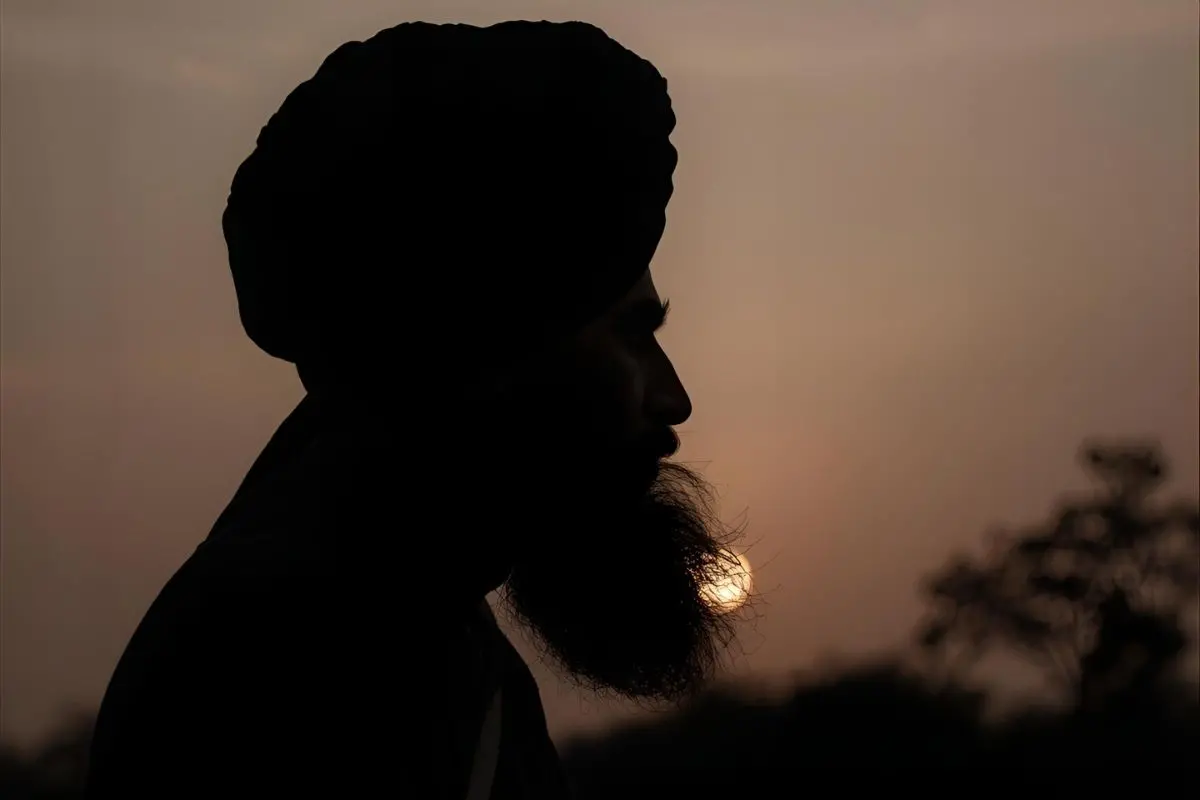
A prominent US lawmaker has urged the Pentagon to rethink its policy that requires all service members to shave their beards, citing concerns for Sikh Americans whose faith mandates uncut hair. Congressman Thomas R. Suozzi stressed that retaining a beard is a vital aspect of Sikh religious practice and identity.
In a letter addressed to Secretary of War Pete Hegseth, Suozzi highlighted that Sikhs have served alongside American troops for generations, including in both World War I and World War II.
"For Sikhs, serving one's nation is a sacred duty, an embodiment of the Sant-Sipahi (saint-soldier) ideal that blends faith and service. The Sikh religion requires adherents to maintain uncut hair and beards as a symbol of devotion and equality before God," Suozzi, the US representative for New York's 3rd congressional district, wrote.
Balancing standards with religious accommodations
While acknowledging the need for uniformity and professional appearance in the military, Suozzi emphasised that religious and medical exemptions must be respected. He warned that a blanket “beard ban” could deter otherwise motivated Sikh, Muslim, and African American individuals from serving.
Last month, Hegseth told American general and flag officers, "We're going to cut our hair, shave our beards, and adhere to standards... The era of unprofessional appearance is over. No more beardos.” Suozzi noted that such statements have caused concern among personnel whose faith or health conditions require them to maintain facial hair.
"I believe it is entirely possible to uphold the highest standards while also preserving reasonable, case-by-case accommodations -- ensuring that those willing to serve can do so without compromising their deeply held beliefs," he added.
Religious and cultural importance of hair
Suozzi further pointed out that maintaining a beard is also a Sunnah Mu'akkadah, a highly recommended religious practice for many Muslim men, symbolising modesty and devotion to God. For African Americans, hair carries deep cultural significance, and shaving can trigger medical issues such as pseudofolliculitis barbae (PFB), a painful condition affecting Black service members disproportionately — who make up nearly one-fifth of enlisted personnel.
He noted that existing laws, including the Religious Freedom Restoration Act (RFRA), already allow the military to balance discipline and appearance standards with religious and medical needs.
"I am confident your Department can continue maintaining the high standards of appearance and discipline... while preserving these longstanding accommodations under RFRA and related Department of War policies. Such a balanced approach will ensure that those who are both patriotic and devout can continue to serve honourably, without being forced to choose between faith and country," Suozzi wrote.
Bipartisan resolution celebrates Indian American heritage
Suozzi’s appeal coincides with the introduction of the Bipartisan Indian American Heritage Resolution, co-sponsored with Republican Representative Young Kim. Introduced ahead of Diwali, the resolution honours Indian Americans’ contributions and condemns acts of hate, discrimination, and violence against Indian Americans and the broader South Asian community, including individuals targeted for their Hindu, Sikh, Jain, Muslim, or other religious or cultural identity.
"Indian Americans are an integral part of our community in Southern California and across the United States. Their success stories reflect the very best of the American Dream," said Kim, the US representative for California's 40th congressional district.
"I'm proud to stand with the Indian American community as we introduce this resolution just in time for Diwali, a moment to honour their achievements and the values that light the way for our nation,” she added.
(With inputs from PTI)